






Overview of Biometrics and RFID
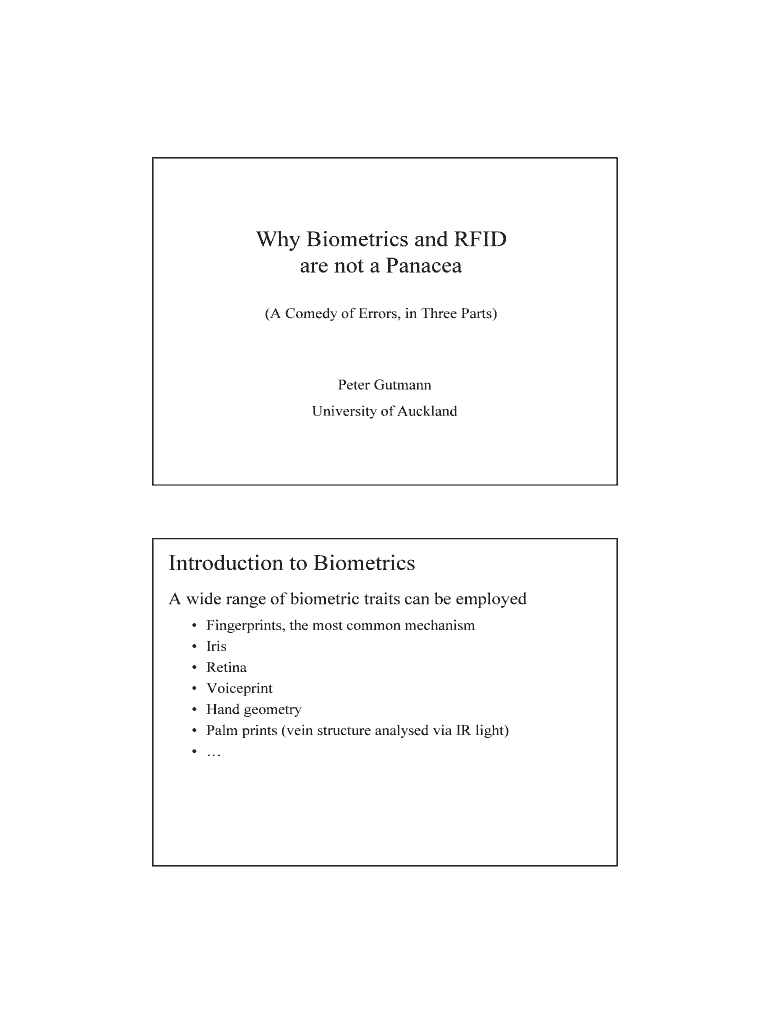
Biometrics and RFID technologies are integral components of modern security and identification systems. Biometrics refer to the measurement and analysis of unique physical or behavioral characteristics, such as fingerprints, facial recognition, or iris patterns. RFID, or Radio Frequency Identification, uses electromagnetic fields to automatically identify and track tags attached to objects. Both technologies aim to streamline identification processes but come with their own sets of challenges and considerations.
Key Elements of Biometrics and RFID
- Unique Identification: Biometrics provide a high level of security as they are based on individual biological traits, making them difficult to duplicate. RFID tags, on the other hand, are effective for tracking and inventory management due to their ability to be read without direct line-of-sight.
- Integration: Both technologies can be integrated into larger security systems for multifactor authentication, combining 'something you are' (biometrics) and 'something you have' (RFID).
- Automation: RFID technology automates the identification process by scanning tags automatically, which is useful in logistics, supply chain, and access control systems.
Challenges in Biometrics and RFID Security
- False Acceptance and Rejection Rates: Biometric systems can sometimes inaccurately verify users, either allowing unauthorized access (false acceptance) or denying legitimate users (false rejection). These inaccuracies can compromise security protocols.
- Privacy Concerns: The use of biometric data and RFID tracking raises significant privacy issues. Misuse or mishandling of such data can lead to identity theft or unauthorized surveillance.
- Potential Misuse and Fraud: Without robust security measures, both biometrics and RFID systems can be susceptible to tampering or spoofing, especially if hackers gain access to the underlying systems.
Legal Use and Ethical Considerations
- Compliance with Regulations: The implementation of biometrics and RFID technology must comply with privacy laws and regulations such as the General Data Protection Regulation (GDPR) in Europe, and the California Consumer Privacy Act (CCPA) in the U.S.
- Ethical Handling: Organizations must ensure ethical handling and secure storage of biometric data to prevent unauthorized access and breaches. Transparency in how data is collected, stored, and used is paramount.
Applications and Use Cases
- Access Control: Both technologies are widely used in controlling access to secure areas. Biometrics ensure that only authorized individuals can enter, while RFID can quickly verify credentials over a distance.
- Logistics and Supply Chain Management: RFID is extensively used for tracking inventory, assets, and shipments, providing real-time data to enhance operational efficiency.
- Healthcare: Biometric identification ensures accurate patient ID verification, reducing errors in patient management and medication distribution.
State-Specific Regulations
- Variation by State: Within the United States, individual states may have additional regulations governing the use of biometrics and RFID. For example, some states require explicit consent from individuals before collecting biometric data.
- Compliance Requirements: Organizations must be aware of and comply with specific state regulations to avoid legal repercussions and penalties.
Pros and Cons of Biometrics and RFID
- Advantages: Both technologies offer enhanced security and efficiency in identification and tracking. They eliminate the need for physical keys or cards, reducing the risk of theft or loss.
- Disadvantages: The high cost of implementation and potential privacy risks are notable downsides. Systems may also require significant infrastructure changes to accommodate these technologies.
Business Sectors Benefiting from Biometrics and RFID
- Retail: RFID improves inventory management and loss prevention, optimizing stock levels and reducing administrative overhead.
- Banking and Finance: Biometrics add a layer of security to transactions, offering secure and fast customer identification for access to services.
- Manufacturing: RFID tags streamline inventory and asset tracking, enhancing supply chain visibility and reducing operational costs.
Future Trends and Developments
- Emerging Innovations: Advancements in biometric technology, such as voice recognition and palm scanning, offer new avenues for secure authentication.
- Integration and Interoperability: Improved interoperability between different biometric and RFID systems will enhance user experience and broaden application scopes.
- Increased Adoption: As technology advances, wider adoption is expected across various industries, driven by the need for robust and seamless security solutions.