Definition and Purpose of New Mexico FYI-330
The New Mexico FYI-330 is a document provided by the New Mexico Taxation and Revenue Department. It serves as an informational guide on the Gross Receipts Tax specific to the state of New Mexico. This tax is similar to a sales tax but encompasses a broader range of transactions. The FYI-330 provides details on how the tax is applied, collected, and remitted, as well as the legal framework that governs these procedures. Businesses and individuals in New Mexico may use this document to understand their obligations and ensure compliance with state tax laws.
How to Obtain the New Mexico FYI-330
You can access the New Mexico FYI-330 document through several convenient methods:
- Website Download: Visit the New Mexico Taxation and Revenue Department's official site to download a PDF version of the document.
- Mail Order: Request a printed version of the FYI-330 by contacting the department. They will send it via mail to your specified address.
- Local Offices: Visit a local office of the New Mexico Taxation and Revenue Department to obtain it in person or seek further assistance and clarification regarding its content.
Steps to Complete Transactions With the FYI-330
- Identify Transactions Subject to Tax: Begin by reviewing which transactions fall under the Gross Receipts Tax according to the FYI-330.
- Calculate Tax Amount: Use the outlined formulas or examples within the FYI-330 to determine the correct amount of tax due for each transaction.
- Remit Tax Payments: Follow the instructions for submitting payment to the New Mexico Taxation and Revenue Department, ensuring it is done by the stipulated deadline.
- Record Keeping: Maintain comprehensive records of all relevant transactions and tax filings as suggested in the FYI-330 to support compliance and facilitate any audits.
Importance of Using the New Mexico FYI-330
Utilizing the New Mexico FYI-330 is essential for:
- Compliance: Ensuring your business or personal transactions adhere to state tax regulations.
- Avoiding Penalties: Understanding tax responsibilities can prevent costly penalties due to non-compliance or misunderstandings.
- Financial Planning: Accurate tax information aids in effective budgeting and financial management, crucial for both individuals and businesses.
Key Elements of the New Mexico FYI-330
- Tax Calculation Methods: Details on how to compute the tax owed on various transactions.
- Exemptions: Information on which types of transactions, if any, may be exempt from the Gross Receipts Tax.
- Filing Requirements: Step-by-step instructions on how and when to file tax returns, including necessary documentation.
- Compliance Tips: Best practices for staying within the legal requirements outlined by state laws.
Legal Use of the New Mexico FYI-330
The FYI-330 encompasses:
- Guidance on Enforcement: Explaining the enforcement mechanisms for non-compliance, including potential penalties.
- Legal Framework: Clarifying the statutory provisions that govern the Gross Receipts Tax in New Mexico.
State-Specific Rules for New Mexico Gross Receipts Tax
- Local Variation: Certain municipalities may have additional local taxes; the FYI-330 includes information on how these are applied.
- Industry-Specific Clauses: Some industries might have special provisions or adjusted rates as detailed within the FYI-330.
Filing Deadlines and Important Dates
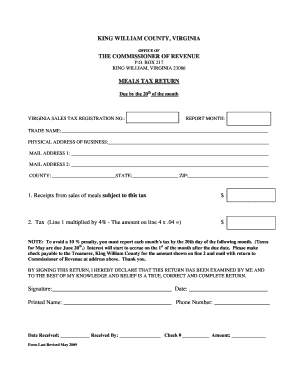
- Quarterly Filing: Most businesses must file and remit taxes on a quarterly basis, with deadlines typically set for the 25th day following the end of each quarter.
- Annual Reconciliation: An annual filing may be required to reconcile total tax payments, often due by January 31 of the following year.
By thoroughly understanding and utilizing the New Mexico FYI-330, individuals and businesses can ensure compliance with state regulations while optimizing tax-related procedures.