




Definition and Meaning
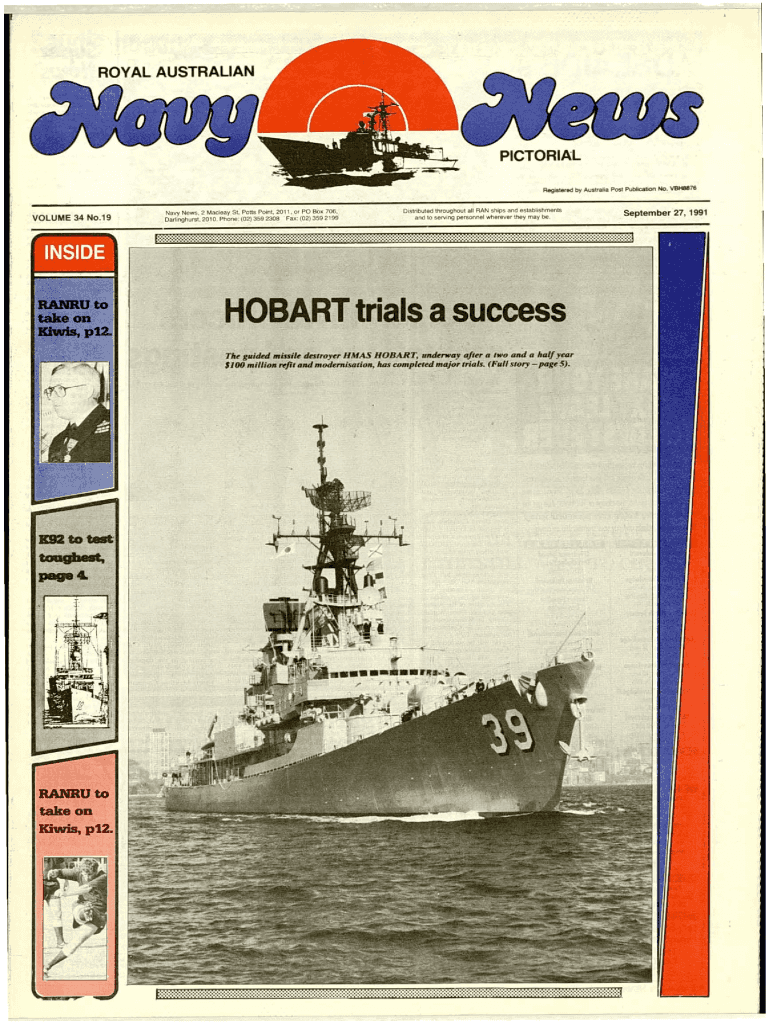
The term "Naval Oceanography Visits AustraliaUnited States" pertains to collaborative engagements between the naval oceanographic communities of Australia and the United States. These visits involve shared research, technology exchange, and military exercises aimed at bolstering maritime security and scientific cooperation. This collaboration supports mutual interests in understanding oceanographic processes that influence naval operations and regional security dynamics.
Oceanography is a critical component of naval strategy, allowing both nations to enhance their capabilities in areas such as anti-submarine warfare, meteorology, and environmental monitoring. The exchanges focus on integrating cutting-edge oceanographic research with practical naval applications. Through joint initiatives, both countries contribute to a robust defense partnership, underpinned by scientific innovation and shared strategic objectives.
How to Use the Naval Oceanography Visits
Engagement in these visits typically involves participation by military personnel, scientists, and policymakers from both nations. Activities may include workshops, joint exercises, and collaborative research projects. The information gained is used to improve naval operations and strategic planning.
Participants utilize the visits to:
- Exchange knowledge and expertise on oceanographic technologies and methodologies.
- Conduct joint research projects that address mutual challenges in maritime environments.
- Practice coordinated naval exercises to enhance interoperability and strategic readiness.
- Develop policy frameworks to guide future collaborative efforts.
How to Obtain Involvement
For military personnel or researchers interested in participating in these visits, the initial step is usually through institutional or governmental channels. This may involve:
- Contacting relevant departments within the Navy or governmental scientific bodies in either country.
- Submitting proposals for joint research projects or exercises.
- Applying through official channels for participation in scheduled visits or collaborations.
Steps to Complete Engagements
-
Preparation and Planning:
- Identify objectives for participation, such as research goals or operational outcomes.
- Coordinate with counterparts in the partnering nation to discuss potential collaborative opportunities.
-
Proposal Submission:
- Draft and submit a detailed proposal outlining the scope of engagement, benefits, and expected outcomes.
- Include qualifications and past experiences of participating individuals or units.
-
Logistical Coordination:
- Arrange for travel, accommodation, and other logistics with assistance from the organizing bodies.
- Secure necessary permissions and approvals from commanding officers or relevant authorities.
-
Execution of Engagement:
- Actively participate in scheduled activities, whether they are exercises, seminars, or research fieldwork.
- Engage with counterparts to foster long-term professional relationships and knowledge exchange.
-
Post-Visit Evaluation:
- Review outcomes and experiences to assess the effectiveness of the visit.
- Provide feedback to organize bodies and propose recommendations for future engagements.
Who Typically Uses These Visits
Primarily, participants in these cross-national oceanographic visits include:
- Naval officers and enlisted personnel specializing in oceanography and related fields.
- Civilian scientists and researchers from national oceanographic institutions or universities.
- Policy advisors and defense strategists focused on maritime security and environmental impacts on naval operations.
These groups leverage the results and experiences from these visits to improve strategic decisions, enhance operational effectiveness, and guide future research directions.


Key Elements
Several crucial elements define the success and impact of these oceanographic visits:
- Clear Objectives: Establishing well-defined goals for each engagement ensures alignment with strategic priorities.
- Collaborative Spirit: Emphasizing partnership and mutual benefit allows for a more productive exchange of knowledge and resources.
- Interoperability: Joint exercises foster interoperability, ensuring both navies can operate seamlessly during combined operations.
- Innovation: Application of the latest technological and scientific developments enhances the operational capabilities of naval forces.
Examples of Use
Several notable instances highlight the significance of these visits:
- In one exercise, shared knowledge on ocean current measurement improved anti-submarine tactics.
- Collaborative research leading to advancements in predictive models for weather impacts on naval logistics.
- Development of new sonar technologies resulting from joint scientific workshops and field tests.
State-Specific Rules
Although the overarching strategies are defined at national levels, state or regional commands in the United States and corresponding areas in Australia might have specific regulations guiding participation in these visits:
- Regional commands may establish unique procedural requirements based on the strategic significance of local maritime environments.
- Variations may exist in the level of participation from state or territory-based naval units or research entities.
Each command adapts overarching objectives to address local maritime security needs, ensuring that engagements are relevant and impactful.