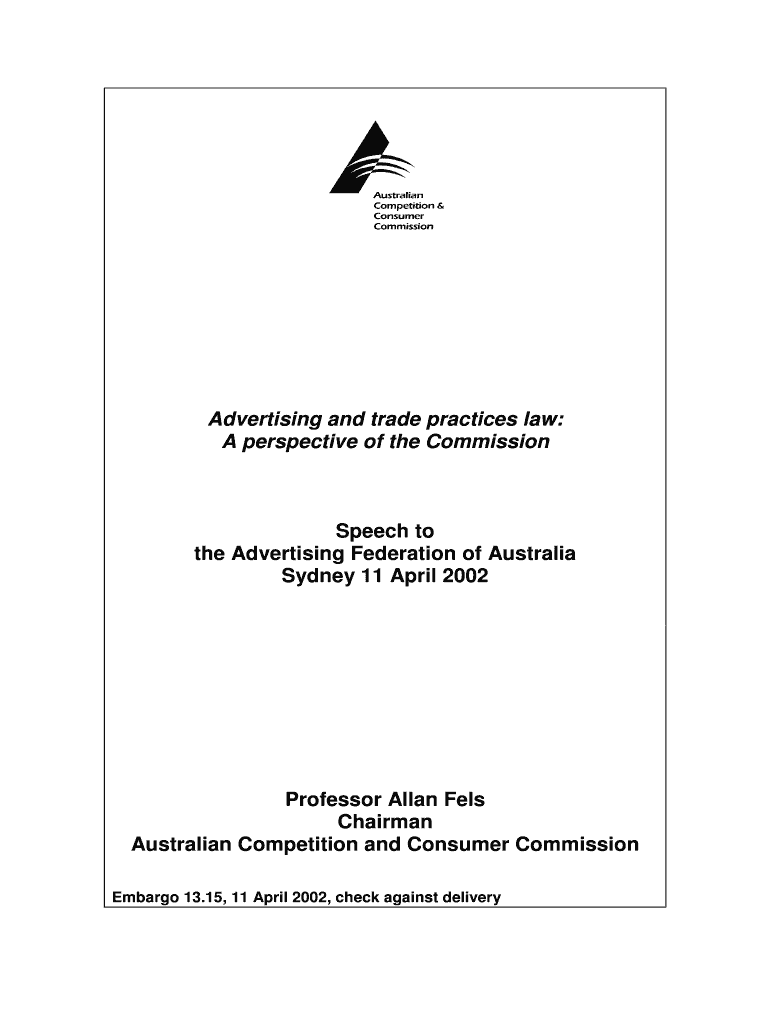







Definition & Background of Advertising and Trade Practices Law
Advertising and trade practices law is a legal framework designed to regulate marketing activities and commercial transactions. Its primary aim is to protect consumers and businesses from misleading or deceptive advertising practices. This area of law ensures that advertisements are truthful and not likely to deceive consumers. In the United States, advertising laws are enforced by agencies such as the Federal Trade Commission (FTC), which has the authority to act against companies engaged in false advertising. The law covers a wide range of practices, including product claims, endorsements, and bait advertising.
The origins of advertising and trade practices law can be traced back to the need for consumer protection and fair competition. Over the years, these laws have evolved to address the dynamic nature of advertising, with the rise of digital marketing and online platforms. As a result, businesses must navigate a complex regulatory environment to ensure compliance.
Key Elements of Advertising and Trade Practices Law
The core components of advertising and trade practices law include several critical elements that businesses must adhere to:
- Truthfulness: Advertisements must be truthful and not misleading. All claims made need substantiation through credible evidence.
- Fair Representation: Products and services must be represented accurately without exaggerations or omissions that could mislead consumers.
- Comparative Advertising: When comparing products to competitors, claims must be accurate and fully substantiated.
- Pricing and Discounts: Disclosures related to pricing and discount claims must be clear. This includes providing accurate details about terms and conditions associated with offers.
These elements ensure that consumers receive reliable information, enabling them to make informed purchasing decisions.
How to Use Advertising and Trade Practices Law
Businesses can leverage advertising and trade practices law to enhance their marketing strategies while maintaining legal compliance. Here’s how:
- Assess Advertising Claims: Evaluate all marketing claims for accuracy and substantiation. This involves conducting market research and collecting necessary evidence.
- Document Proof: Maintain documentation to support advertising claims, ensuring that this proof is readily available if requested by regulatory agencies.
- Regular Compliance Audits: Perform regular audits of marketing materials to identify and rectify potential violations.
- Training and Awareness: Educate marketing teams on advertising laws and ethical standards.
By following these steps, businesses can avoid regulatory pitfalls and foster consumer trust.
Who Typically Uses Advertising and Trade Practices Law
A variety of stakeholders rely on advertising and trade practices law, including:
- Businesses and Advertisers: Companies of all sizes, from small local businesses to large corporations, use these laws to guide their marketing strategies and ensure compliance.
- Legal Professionals: Attorneys specializing in advertising law advise clients on compliance and represent them in disputes or litigation related to false advertising claims.
- Consumer Protection Agencies: Government agencies at federal and state levels utilize these laws to regulate industry practices and protect consumer rights.
- Consumers: Consumers benefit from these regulations by having accurate information about products and services in the marketplace.
Understanding these laws is essential for all parties involved in the advertising ecosystem to promote fair and transparent marketing practices.
Examples of Using Advertising and Trade Practices Law
Several real-world examples illustrate how advertising and trade practices law is applied:
- Deceptive Weight Loss Claims: A well-known case involved a company fined for false advertising related to weight loss supplements. The advertisements made unsubstantiated claims about rapid weight loss without evidence.
- Misleading Pricing Practices: A retailer faced legal action for misleading discount pricing, where the original prices were inflated to make discounts appear larger.
- Endorsements and Testimonials: A celebrity endorsement was scrutinized when claims made about a product were found to be misleading due to lack of disclosure regarding paid promotions.
These examples highlight the importance of adhering to advertising standards to avoid legal repercussions and protect consumer interests.
Legal Use of Advertising and Trade Practices Law
Advertising and trade practices law provides a legal foundation for addressing issues such as:
- False Advertising Lawsuits: Businesses can face legal actions if they engage in deceptive advertising practices. It's crucial for companies to understand legal avenues for defending such claims.
- Regulatory Compliance: Businesses are required to comply with regulations set by agencies like the FTC. Failure to comply can lead to fines, sanctions, or corrective measures.
- Consumer Redress: Consumers affected by false advertising can seek redress through legal channels. This includes filing complaints with regulatory bodies or initiating lawsuits for damages.
Proper application of these laws ensures that businesses maintain compliance with legal standards and protect themselves against potential litigation.
Penalties for Non-Compliance with Advertising and Trade Practices Law
The consequences of failing to comply with advertising and trade practices law can be severe:
- Fines and Monetary Penalties: Companies can incur significant fines for non-compliance. These financial penalties serve as deterrents against deceptive marketing practices.
- Cease and Desist Orders: Regulatory bodies may issue orders to halt misleading advertising practices immediately, preventing further consumer harm.
- Reputational Damage: Adverse publicity from legal actions or regulatory fines can damage a company's reputation and erode consumer trust.
- Legal Costs: Defending against false advertising claims can incur substantial legal costs, impacting a business’s financial stability.
These penalties underscore the critical need for businesses to adhere strictly to advertising laws and employ rigorous compliance measures.
State-Specific Rules for Advertising and Trade Practices
While federal laws provide a framework, state-specific regulations also play an important role. Different states may have variations in advertising and trade practices regulations. It's essential for businesses to understand the rules applicable in their operating regions:
- California’s Consumer Legal Remedies Act (CLRA): This act provides protection against unfair business practices, and businesses must comply with its provisions in the state.
- New York’s General Business Law: Known for its strict standards, New York has robust requirements for truth in advertising.
- Florida’s Deceptive and Unfair Trade Practices Act (FDUTPA): Focused on protecting consumer rights, this act requires businesses to ensure accuracy and fairness in marketing within the state.
Businesses must stay informed about both federal and state regulations to ensure comprehensive compliance across all jurisdictions where they operate.