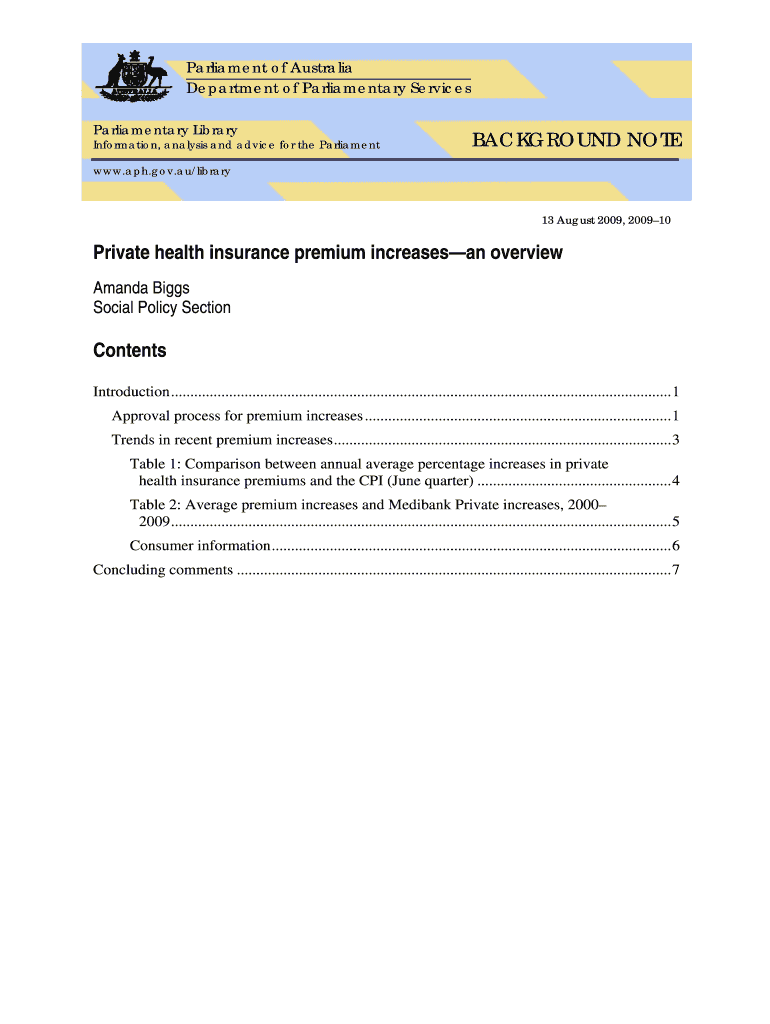







Definition & Understanding Private Health Insurance Premium Increases
Private health insurance premium increases can significantly impact policyholders, as they dictate the amount one must pay for maintaining coverage annually. These increases are often influenced by a variety of factors such as rising medical costs, demographic shifts like an aging population, and regulatory changes. Understanding how and why these premiums increase is essential for making informed decisions regarding health insurance choices.
Factors Influencing Premium Increases
- Rising Medical Costs: Advances in medical technology and treatments often lead to higher costs, which insurers then transfer to consumers through increased premiums.
- Demographic Changes: An aging population typically leads to higher healthcare utilization, contributing to premium hikes.
- Regulatory Changes: Adjustments in healthcare regulations can affect how premium increases are assessed and reported, sometimes causing fluctuations.
Important Terms Related to Premium Increases
Familiarity with certain terms is crucial when dealing with premium increases:
- Consumer Price Index (CPI): A measure of the average change over time in the prices paid by consumers. Insurance premiums often rise faster than the CPI.
- Pre-Existing Conditions: Medical conditions that existed before obtaining health insurance. Coverage of these conditions can impact premium costs.
- Actuarial Value: The percentage of total average costs for covered benefits that a plan will cover. Changes in actuarial values can influence premiums.
Steps to Utilize an Overview of Premium Increases
When assessing premium increases, it helps to follow a systematic approach:
- Review the Current Policy: Understand the specifics of your existing plan, including coverage, deductibles, and out-of-pocket maximums.
- Analyze Recent Trends: Look at recent data and reports on premium trends to gauge the average increase in the market.
- Evaluate Personal Needs: Consider personal healthcare needs and how changes might affect out-of-pocket expenses.
- Compare Alternatives: Examine different insurance plans or providers for options that might offer better value.
- Consult Professionals: Seek advice from insurance brokers or financial advisors to navigate complex premium structures effectively.
Legal Considerations for Health Insurance Premium Increases
Increases in health insurance premiums come with legal implications:
- Consumer Rights: Policyholders have the right to clear information regarding premium increases and the reasons behind them.
- Regulatory Compliance: Insurers must comply with state and federal regulations concerning disclosure and justification of premium hikes.
- Appeals Process: Consumers can file complaints or appeal against unjustified increases, typically through state insurance departments.
State-Specific Rules for Premium Increases
While federal guidelines set a baseline, state-specific regulations can influence how premium increases are implemented and reported:
- Approval Processes: States might have unique procedures for approving premium increases, requiring insurers to submit detailed justifications.
- Transparency Requirements: Some states enforce more stringent transparency rules to ensure consumers understand premium changes.
- Consumer Protections: Variations in consumer protection laws can impact the rights of policyholders regarding premium adjustments.
Examples of Utilizing Information on Premium Increases
Understanding premium increases provides valuable benefits in several scenarios:
- Budgeting for Healthcare Costs: By anticipating potential increases, individuals can better plan for upcoming healthcare expenses.
- Switching Providers: Insights into premium trends can assist in deciding whether to switch providers for better coverage or cost-effectiveness.
- Negotiating with Insurers: Armed with knowledge, consumers might negotiate better terms or avoid unnecessary coverage that inflates premiums.
Key Elements in Analyzing Premium Increases
When evaluating premium increases, look for:
- Rate of Increase Compared to CPI: How much faster premiums are rising in comparison to consumer goods.
- Underlying Cost Drivers: Specific factors cited by insurers for the premium hike.
- Impact Analysis: The potential financial impact on consumers and overall market affordability.
Digital vs. Paper Documentation for Health Plans
The transition to digital documentation affects how premium information is accessed and managed:
- Efficiency and Access: Digital platforms allow for easier and quicker access to policy details and premium changes.
- Security Concerns: Ensuring data security when managing sensitive information online is critical.
- Environmental Impact: Digital documentation reduces the need for paper, contributing to environmental sustainability.
By focusing on these key areas, individuals can better navigate the complex landscape surrounding health insurance premium increases, ensuring they are well-informed and prepared to make the best decisions for their healthcare needs.