






Definition and Meaning of the Microbiological Quality of Spices Survey
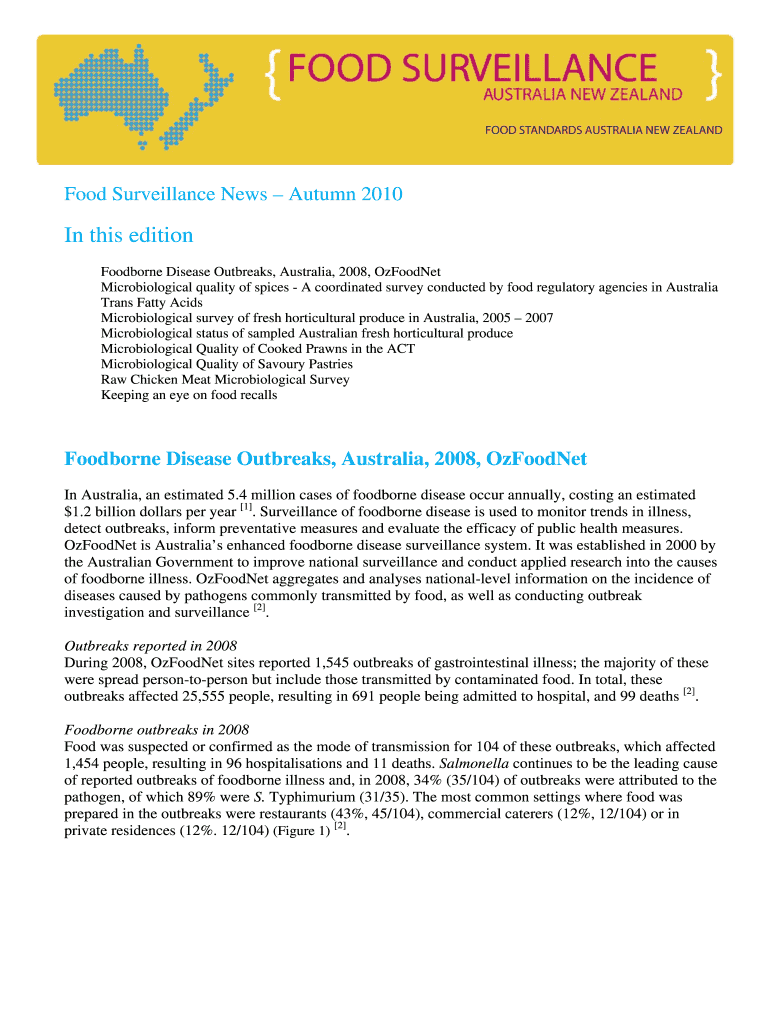
The survey titled "Microbiological Quality of Spices - A Coordinated Survey Conducted by Food Regulatory Agencies in Au" aims to assess the microbiological standards of spices consumed in Australia. This survey is vital in ensuring consumer safety by identifying potential contaminants, like bacteria and pathogens, that may pose health risks when spices are improperly processed or stored.
Key Microbiological Contaminants
- Salmonella and Campylobacter: These are common pathogens found in spices that can lead to foodborne illnesses.
- Mold and Yeast: While not always harmful, excessive presence can indicate spoilage or poor quality.
- Bacterial Count: A high total viable count might suggest contamination or inadequate hygienic practices during processing.
How to Use the Microbiological Quality of Spices Survey
Engaging with the survey results effectively requires understanding its implications in food safety.
- For Consumers: Provides awareness on the microbial safety of spices, guiding informed purchasing decisions.
- For Producers: Highlights areas for improvement in spice processing to meet safety standards.
- For Regulatory Bodies: Offers insights into which spices might require more stringent monitoring or new regulations.
Steps to Complete the Microbiological Quality of Spices Survey
- Collection of Spice Samples: Secure diverse samples representative of market-available spices, ensuring a wide geographic and brand coverage.
- Laboratory Analysis: Conduct thorough microbiological testing on the samples to identify and quantify potential contaminants.
- Data Compilation and Interpretation: Gather results to determine the prevalence of contamination and compare with existing safety standards.
- Report Development: Prepare a comprehensive report detailing findings, including contamination levels, and implications for public health policy.
Importance of the Microbiological Quality of Spices Survey
Ensuring the microbiological quality of spices is crucial for public health. Spices, often added post-cooking, may serve as vehicles for pathogens in their raw form, posing significant health risks.
- Public Health Safety: Protects consumers from foodborne diseases linked to contaminated spices.
- Quality Assurance: Encourages producers to adopt better hygiene standards.
- Regulatory Oversight: Supports the development of more robust food safety regulations.
Key Elements of the Microbiological Quality of Spices Survey
Components Covered
- Sampling Methodology: Described to ensure representativeness and reliability.
- Analytical Techniques: Includes detailed methods used for detecting and quantifying microbial contaminants.
- Safety Thresholds: Defines acceptable levels of different microorganisms.
Supporting Data
- Historical Comparisons: Provides trends over time to show improvements or deteriorations in spice quality.
- Regional Variance: Analyzes how microbial quality may differ across various regions.
Examples of Implementing the Survey Findings
-
Improved Processing Techniques: After identifying critical points of contamination, spice manufacturers could adopt better cleaning and drying processes.
-
Consumer Education Campaigns: Raising awareness about the safe use and storage of spices at home.
-
Regulatory Actions: Establish or adjust guidelines to better govern spice imports and exports, based on identified risks.
Legal Use of the Microbiological Quality of Spices Survey
The findings from the survey serve as a basis for legal standards within the food industry.
- Regulatory Compliance: Manufacturers must align their practices with the survey's findings to meet safety standards.
- Setting Precedents: Can influence laws regarding food safety and consumer protection.
Enforcement
- Sanctions for Non-Compliance: Legal measures may be taken against entities consistently not meeting set standards.
Important Terms Related to the Survey
Understanding relevant terms is essential for interpreting the survey results accurately.
- Pathogens: Microorganisms causing disease.
- Contamination: Presence of harmful substances in spices.
- Hygienic Practices: Processes designed to maintain cleanliness and prevent contamination.
State-Specific Rules in Australia
For a survey with data collected across states, nuanced understanding of state-level regulations can provide insights into potential disparities in compliance and enforcement.
Variable Standards and Implementation
- Cross-State Comparisons: Differences in how each state's health department might act on survey findings.
- Regulatory Approaches: Variation in the application of findings based on local risks or consumer preferences.
By addressing these blocks, the content provides in-depth coverage of the survey's significance, utility, implications, and interpretive frameworks.