
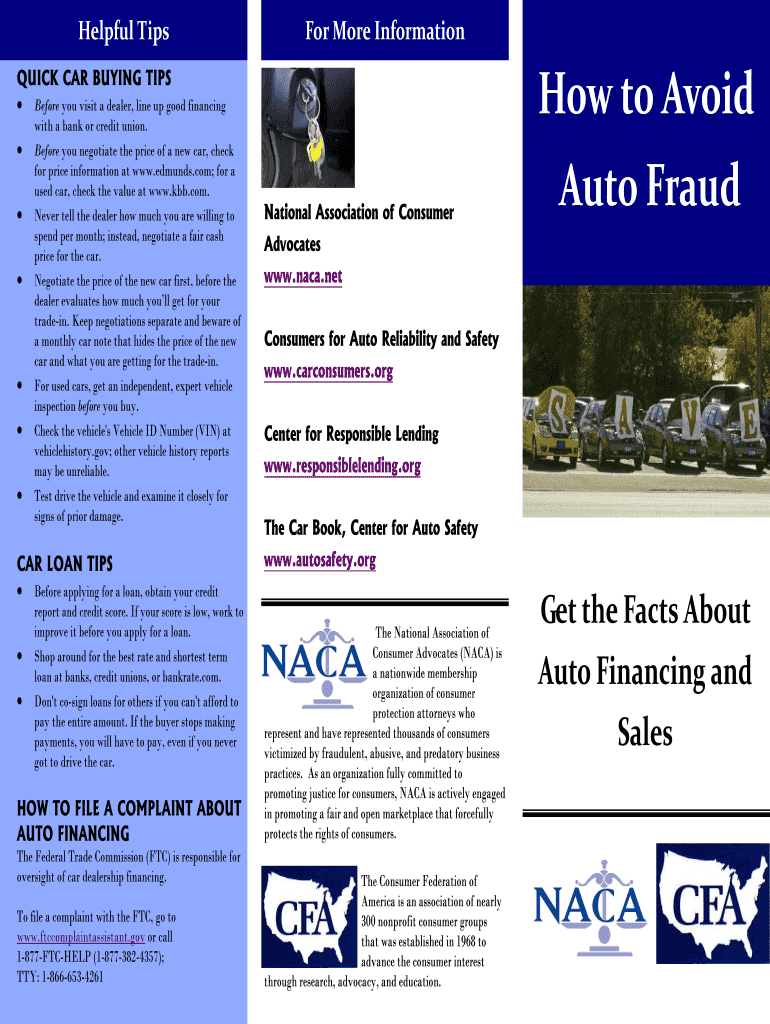







Definition & Purpose of Quick Car Buying Tips
Quick car buying tips are essential guidelines designed to streamline and enhance the car purchasing process. These tips aim to empower buyers with the knowledge and strategies necessary to navigate the complexities of buying a car, ensuring they secure the best deal possible. By understanding the tips, consumers can avoid common pitfalls and make informed decisions, leading to a more satisfying purchasing experience.
How to Use Quick Car Buying Tips Effectively
To effectively utilize quick car buying tips, consumers should integrate them into each stage of the car buying process. Begin by researching various vehicle models and their market values to establish a solid foundation for negotiations. Following that, focus on securing financing independently, rather than solely relying on dealership options. By applying these tips throughout the buying journey, you can maintain control and confidence in your decisions.
- Research vehicle values using reliable resources such as Kelley Blue Book or Edmunds.
- Secure pre-approved financing from a bank or credit union to understand your budget limits.
- Separate negotiations for the vehicle price, trade-ins, and add-ons to minimize confusion and pressure.
Key Elements Involved in Quick Car Buying Tips
The key elements of quick car buying tips involve a mixture of preparation, negotiation, and legal awareness. Each element plays a critical role in maximizing the benefits of your purchase while minimizing potential risks. Understanding these components is essential for any car buyer aiming for a smooth transaction.
Elements to Focus on:
-
Vehicle Research and Inspections: A comprehensive evaluation includes checking vehicle history reports and arranging independent mechanical inspections for used cars to uncover hidden issues.
-
Financing Options: Choosing the right financing option can have significant financial implications. Explore different lenders to secure favorable interest rates.
-
Legal Rights: Knowledge of consumer protection laws and the car buying process can help you safeguard your interests and contest unfair treatment.
Steps to Complete a Car Purchase Using Quick Tips
Completing a car purchase with these tips requires a strategic approach. By breaking down the process into manageable steps, consumers can ensure a comprehensive and informed buying experience.
-
Conduct Thorough Research:
- Compare vehicles and prices across dealerships.
- Utilize online platforms and testimonials for insights.
-
Determine Your Budget:
- Set clear financial boundaries, accounting for purchase price, insurance, taxes, and fees.
- Secure pre-approval from a lender to gauge borrowing capacity.
-
Visit Dealerships and Test Drive:
- Inspect and test drive multiple vehicles to assess performance and comfort.
- Ask the salesperson to provide a vehicle history report.
-
Negotiate Terms:
- Start negotiations with the vehicle price separately from financing and trade-ins.
- Be prepared to walk away if terms do not meet expectations.
-
Finalize the Deal:
- Carefully review all documents before signing.
- Ensure add-ons and extended warranties are necessary and budgeted.
Legal Use and Compliance for Car Buying
Being legally compliant when buying a car is crucial to protect personal rights and prevent future complications. Consumers should be aware of relevant laws and regulations throughout the process to ensure a legally binding and secure transaction.
- Understand warranties and lemon laws applicable in your state.
- Verify licensing and registration requirements, and ensure sales agreements comply with state consumer protection laws.
Important Terms Related to Car Buying
Familiarity with specific terms can prevent misunderstandings and enhance communication during negotiations. Being informed on these terms ensures you navigate the buying process with clarity and accuracy.
Key Terms:
-
MSRP (Manufacturer's Suggested Retail Price): The recommended selling price of a vehicle, often a starting point for negotiations.
-
APR (Annual Percentage Rate): The yearly interest rate charged on a car loan, impacting the total cost of financing.
-
Lemon Laws: Regulations that protect consumers against defective vehicles that fail to meet quality and performance standards.
State-Specific Considerations for Car Buyers
Car buying processes and regulations can differ significantly across states in the U.S., impacting everything from sales tax to registration requirements. Understanding these state-specific nuances is critical to ensuring compliance and making informed purchasing decisions.
Variations by State:
-
Sales Tax: Rates and applicability may vary by state and affect the overall purchase cost.
-
Dealership Regulations: Licensing and operational standards for dealers can influence buying options and consumer protections.
Examples of Using Quick Car Buying Tips Successfully
Real-world scenarios illustrate the practical application of quick car buying tips. Learning from these examples provides insights into how buyers have benefited from following structured guidance during their purchases.
Case Study Examples:
- A buyer avoided a common scam by cross-referencing financing offers between the dealer and a local bank, highlighting the importance of independent financing options.
- A new car owner saved money by negotiating separate deals for vehicle price and trade-in, illustrating the advantages of segmenting negotiations.
- Upon facing issues with a used car, a consumer successfully leveraged state lemon laws for a resolution, underscoring the value of understanding legal rights.




