




01. Edit your form online
Type text, add images, blackout confidential details, add comments, highlights and more.

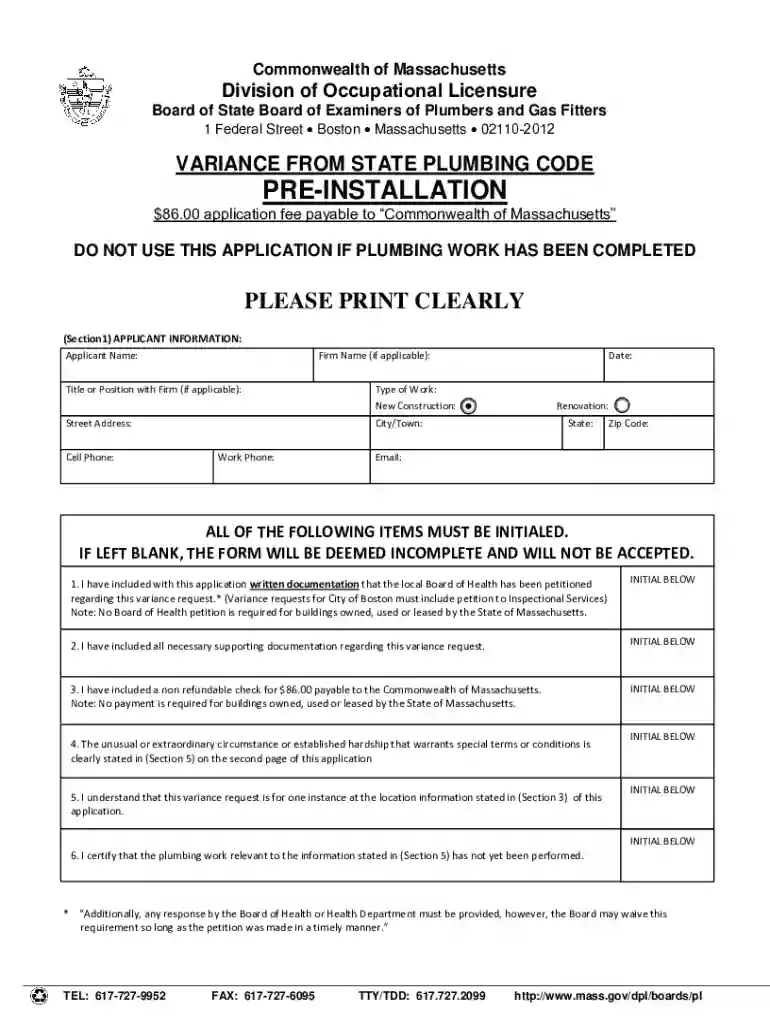
Type text, add images, blackout confidential details, add comments, highlights and more.

Draw your signature, type it, upload its image, or use your mobile device as a signature pad.

Send it via email, link, or fax. You can also download it, export it or print it out.
Pre-installation refers to the preparatory phase where necessary steps and measures are undertaken to ensure a smooth installation process for a system, software, or equipment. This stage involves planning, evaluating requirements, and setting the groundwork for the successful operation of the intended product or service. Pre-installation is critical in identifying potential challenges and mitigating risks before the actual installation begins, ensuring compatibility and compliance with existing systems and standards.
Using the pre-installation process effectively involves a series of actions aimed at preparation and planning. Key steps include:
These actions help in aligning objectives and provide a clear roadmap for the actual installation process.
Completing the pre-installation process requires adherence to several steps that ensure readiness:
Gather Information:
Conduct Site Survey:
Develop a Plan:
Resource Setup:
Formal Communication:
These systematic steps ensure that all aspects are covered, reducing the likelihood of encountering unforeseen issues during installation.
Focusing on pre-installation can significantly enhance the efficiency and success of the installation process. Here are several reasons why it is crucial:
Recognizing these benefits illustrates the value pre-installation adds in achieving a flawless final outcome.
Pre-installation processes are utilized across a range of industries and sectors to prepare for the integration of new systems. Typically, these include:
Each industry adapts the process to fit its unique needs, highlighting its broad applicability and importance in diverse operational contexts.
Understanding specific terms related to pre-installation enhances clarity and effectiveness:
These terms underpin critical components of the pre-installation phase and are vital in executing this stage effectively.
In the United States, state-specific regulations may affect pre-installation steps, particularly in sectors like construction, telecommunications, and healthcare. Key considerations include:
Understanding and integrating state-specific rules ensures legal compliance and avoids potential delays or penalties in the installation process.
Documenting the pre-installation process is essential for validation and compliance. Important documents include:
Having these documents prepared and accessible aids in avoiding misunderstandings and demonstrates adherence to all necessary protocols.
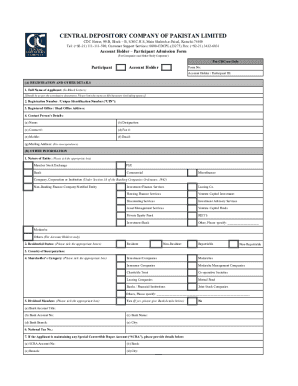
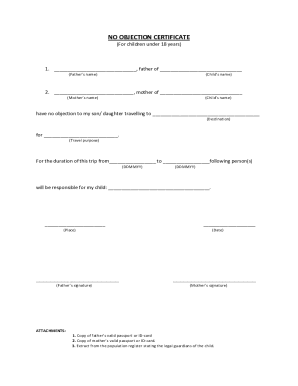
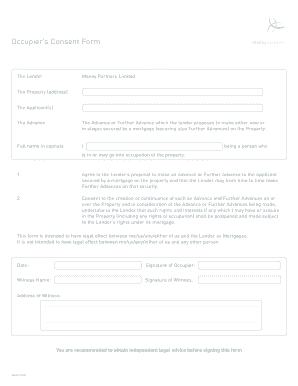
We've got more versions of the PRE-INSTALLATION form. Select the right PRE-INSTALLATION version from the list and start editing it straight away!
At DocHub, your data security is our priority. We follow HIPAA, SOC2, GDPR, and other standards, so you can work on your documents with confidence.




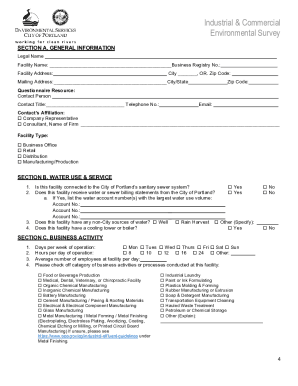
Before a meter may be installed for revenue billing purposes the utility shall inspect and test the meter, and adjust it if necessary,
Pre-installation configuration task include: Configure the Windows Server operating system Configure the Windows desktop operating system. Installing the
You can update the environment in the current shell session before beginning installation by using the appropriate shell command.


