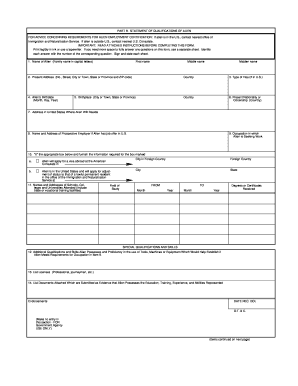
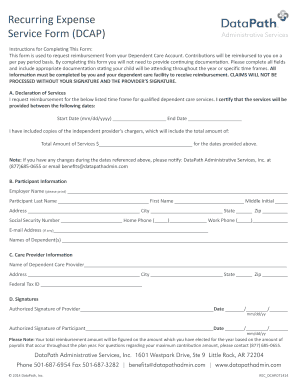
Definition and Meaning of "Illustrated Examples of Documentation"
"The illustrated examples of documentation for" refers to visual representations that highlight the structure, purpose, and use of documentation within various contexts. These illustrations can include diagrams, charts, or annotated examples that make complex information more comprehensible. In professional settings, illustrated documentation serves as an educational tool, helping users to better understand how to create or use specific documents effectively.
How to Use "The Illustrated Examples of Documentation"
Using illustrated examples effectively requires understanding the context in which the documentation will be applied. Here's a simple guide:
- Identify the document type that requires visual explanation.
- Choose or create illustrations that accurately reflect the structure and key elements of the document.
- Incorporate these illustrations into training materials or presentations to clarify complex information.
- Engage users by allowing them to apply their understanding through exercises or interactive sessions.
- Review user feedback to improve the illustrations for future use.
Illustrated examples help demystify documentation processes, especially for technical documents or forms requiring specific instructions.
Steps to Complete "The Illustrated Examples of Documentation"
Completing an illustrated documentation project involves a systematic approach:
-
Research and Define Objectives:
- Understand the objective of the document and its audience.
- Gather all necessary information and existing documentation examples.
-
Select Appropriate Tools:
- Use graphic design or document editing software that allows inserting images and annotations.
- Ensure software compatibility with formats such as PDF or DOCX.
-
Draft and Design Illustrations:
- Create drafts of illustrations that effectively represent the document's parts and procedures.
- Use clear labels and annotations to guide users.
-
Review and Edit:
- Collaborate with stakeholders to review the accuracy and clarity of the illustrations.
- Edit based on feedback to ensure effectiveness.
-
Finalize and Implement:
- Save illustrations in accessible formats.
- Integrate them into the main documentation, whether digital or printed.
Why Use "The Illustrated Examples of Documentation"
Illustrated examples bring several advantages:
- Enhanced Understanding: Visual elements improve comprehension, especially for complex procedures.
- Increased Engagement: Readers are more likely to engage with content that includes images and illustrations.
- Error Reduction: Visuals help minimize common errors by providing clear examples.
- Inclusivity: Diverse learning styles are supported, making documentation accessible to a wider audience.
Key Elements of "The Illustrated Examples of Documentation"
Illustrated examples should include the following key elements:
- Clarity: Simplify complex ideas into understandable visuals.
- Relevance: Ensure illustrations are directly related to the document's content.
- Accuracy: Represent all required steps and information accurately.
- Consistency: Follow a uniform style and approach across all illustrations.
- Interactive Elements: Where possible, include callouts or annotations that encourage user interaction.
Software Compatibility for Creating Illustrations
For creating illustrated documentation, compatibility with common software is essential:
- Adobe Acrobat: Ideal for creating interactive PDFs with embedded illustrations.
- Microsoft Word: Supports inserting charts, images, and annotations.
- Google Docs: Offers easy-to-use tools for collaborative editing and illustration insertion.
Ensure that the chosen software supports the document's final format to avoid compatibility issues.
Step-by-Step Instructions and Examples
Providing step-by-step instructions within documentation can greatly enhance user understanding. Here's how to do it effectively:
- Outline the Process: Start with a clear outline of each step involved in the process.
- Illustrate Each Step: Use diagrams or screenshots to visually represent each part.
- Provide Practical Examples: Include real-world scenarios where these steps would apply.
- Highlight Common Pitfalls: Use side notes or icons to warn about potential errors.
- Conclusion and Review: Summarize the procedure and suggest ways to review the completed work for accuracy.
By following these guidelines, illustrated examples can become a powerful tool in effective documentation, enhancing user experience and understanding dramatically.