




Definition and Meaning of Legal and Regulatory
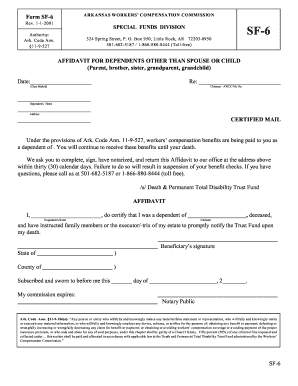
Legal and regulatory forms are crucial for ensuring compliance with governmental and industry standards in the U.S. They serve as official documents that dictate how businesses and individuals must operate within legal frameworks. These forms are integral for processes ranging from tax reporting and business registration to more specialized activities like mergers and acquisitions. They often outline duties, rights, and obligations, ensuring that all parties understand the legal and regulatory requirements. Understanding the importance and implications of these forms is crucial for maintaining compliance and avoiding legal penalties.
How to Use Legal and Regulatory Forms
Utilizing legal and regulatory forms requires a methodical approach. Here's how you can effectively use them:
- Identify the Correct Form: Determine the specific form based on your legal or regulatory need. This might involve consulting legal experts or referencing official government websites.
- Understand the Requirements: Carefully read the instructions associated with the form to comprehend the information and documentation required.
- Gather Necessary Information: Compile all needed details, such as personal identification, financial data, or business information, in advance of completing the form.
- Complete the Form Accurately: Fill in all sections of the form with precision. Pay attention to detail to avoid errors that could result in delays or penalties.
- Review and Verify: Double-check all entries for accuracy. Incorrect information can lead to non-compliance or rejection.
- Submit Appropriately: Depending on the form type, submission can be done online, by mail, or in-person. Adhere to associated guidelines for submission to ensure compliance.
Steps to Complete the Legal and Regulatory Form
Following a structured process ensures accuracy and completeness:
- Read Instructions Thoroughly: Start by reading all instructions provided with the form to avoid common pitfalls.
- Provide Complete Information: Fill out all required fields, ensuring no section is left incomplete unless indicated.
- Attach Required Documents: Include all necessary supporting documents as outlined in the form's instructions.
- Sign Where Necessary: Ensure the form is signed by the appropriate parties - this may involve multiple signatures if others are involved.
- Consult with Experts: When in doubt, solicit advice from legal professionals to ensure compliance.
- Submit Before Deadline: Keep track of submission deadlines to ensure timely filing.
Important Terms Related to Legal and Regulatory
Familiarity with key terms enhances understanding and compliance:
- Compliance: Adhering to laws, regulations, guidelines, and specifications.
- Obligations: Legal responsibilities that parties must fulfill under contract law.
- Regulations: Rules set by government agencies to control behavior and ensure lawful conduct.
- Filings: Official documents submitted to government agencies, often used in legal matters.
- Deadlines: Specific dates by which forms must be submitted to remain compliant.
- Jurisdiction: The official power to make legal decisions and judgments.
Key Elements of the Legal and Regulatory Form
Legal and regulatory forms typically include several fundamental components, which serve varying functions depending on the specific purpose of the form. These elements often encompass:
- Identification Information: Details such as names, addresses, and identification numbers.
- Declaration of Intent: Statements that declare the purpose of the form submission.
- Financial Sections: Sections for detailing income, assets, liabilities, or transaction history.
- Agreements and Clauses: Parts of the form that include terms and conditions or rights and responsibilities.
- Signature Lines: Areas designated for required signatures verifying the information provided.
State-Specific Rules for Legal and Regulatory Compliance
Despite federal standards, state regulations can vary significantly. State-specific rules may impact requirements such as:
- Filing Deadlines: Different states may have varying deadlines.
- Permissible Deductions: Allowable deductions might differ by state, affecting business and personal filings.
- Registration Requirements: State-specific rules may dictate additional steps for business registration.
- Tax Obligations: States impose varying tax structures, mandates, and exemptions.
- Legal Procedures: The process for dispute resolution or legal recourse can vary across states.
Penalties for Non-Compliance
Failure to comply with legal and regulatory requirements can result in varying penalties:
- Fines and Penalties: Monetary charges are often imposed for late submissions or inaccuracies.
- Legal Action: Severe non-compliance may result in lawsuits or legal proceedings.
- License Revocation: Businesses may risk losing operational licenses.
- Interest Charges: Additional interest might accrue on unpaid balances due to non-compliance.
- Reputational Damage: Entities may face reputational harm impacting consumer trust and business relationships.
Digital vs. Paper Versions of Legal and Regulatory Forms
Both digital and paper versions have their own advantages and considerations:
- Digital Versions: Offer convenience with easy access, faster submission, and reduced processing time. They often include error-checking features to minimize mistakes.
- Paper Versions: Necessary for those without reliable internet access or where digital submissions are not accepted. They provide a physical record of submission.
Understanding the nuances between digital and paper versions ensures that individuals can utilize the best method for their particular situation, ensuring that all legal and regulatory requirements are met effectively.