






Understanding the Motion in Court
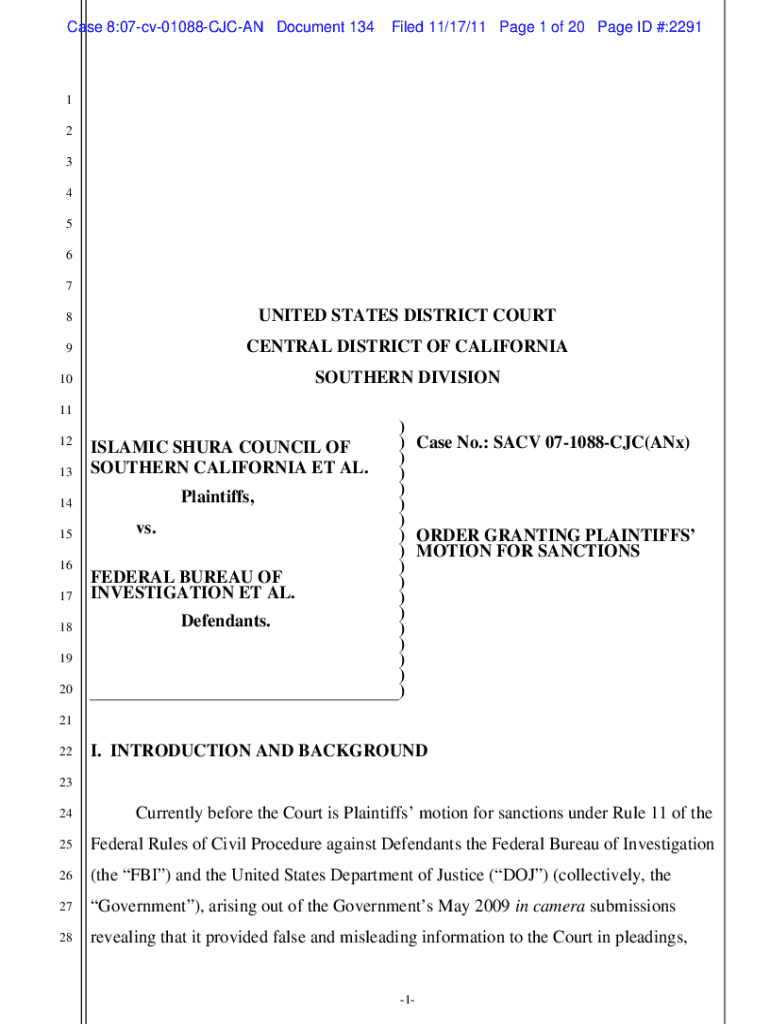
A motion currently before the court involves a formal request made by a party in a legal proceeding. Specifically, "plaintiffs' motion" often refers to a request made by the party initiating a lawsuit. This motion is typically submitted to obtain a specific ruling or order from the court. For instance, plaintiffs may move to compel the disclosure of documents, request sanctions for non-compliance, or seek a summary judgment. Each motion is accompanied by detailed arguments and justifications, aiming to persuade the court in favor of the plaintiff's position.
How to Use the Motion
Utilizing a motion requires thorough preparation and understanding of legal procedures. Plaintiffs should ensure their motion is backed by substantial legal arguments and evidence. This involves writing a detailed brief that explains why the court should grant the motion, referencing relevant laws, previous case precedents, and factual assertions. It's important to adhere to court rules regarding formatting, length, and submission deadlines to increase the motion's chance of success. Presenting a well-organized and compelling motion can significantly influence the outcome of the legal proceedings.
Steps to Complete a Court Motion
- Drafting: Begin by drafting a motion, clearly stating the relief sought and the legal grounds supporting it.
- Filing: Submit the motion to the court clerk, ensuring all forms are complete and include necessary attachments.
- Service: Serve a copy of the motion on the opposing party, as court rules require notifying all parties involved.
- Hearing Preparation: Prepare for a possible court hearing on the motion by organizing evidence and witness testimony if applicable.
- Attending the Hearing: Argue the motion before the judge, presenting evidence and making legal arguments to support your position.
- Awaiting Decision: After the hearing, await the court's decision, which will be based on the arguments and evidence presented.
Important Legal Terminology
Understanding legal terminology is crucial when working with court motions. Key terms include:
- Plaintiff: The party who initiates the lawsuit.
- Defendant: The party against whom the lawsuit is brought.
- Brief: A written argument presented to the court outlining legal and factual grounds.
- Ex Parte: A motion considered by the court without requiring all parties to be present.
- Summary Judgment: A ruling by the court without a full trial, usually based on the inadequacy of one party's case.
Legal Use and Implications
The legal use of a motion has significant implications in court proceedings. A successful motion can expedite legal outcomes, secure necessary evidence, or even resolve a case entirely. For example, motions for summary judgment can eliminate the need for a trial if there is no dispute over the material facts. Conversely, failing to properly execute motions can hinder the plaintiff's case, lead to delays, or result in unfavorable outcomes. Plaintiffs must strategically leverage motions to enhance their legal strategy effectively.
Key Elements of a Court Motion
Several elements are critical in crafting an effective court motion:
- Caption: This includes the court name, case number, and parties involved.
- Title: Clearly states the type of motion being filed.
- Relief Sought: Specifies what action the court is requested to take.
- Supporting Facts: Provides a factual basis for the motion.
- Legal Argument: Discusses applicable laws and precedents that justify the motion.
- Proposed Order: Drafts a proposed decision for the court's consideration.
Filing Deadlines and Important Dates
Adhering to strict deadlines is essential when filing a motion. Each jurisdiction has specific timelines for submitting motions, often linked to trial schedules or statutory requirements. Failing to meet these deadlines can result in the court disregarding the motion or delaying proceedings. Plaintiffs should be aware of all relevant dates and plan accordingly to ensure timely filings and responses.
Court Submission Methods
Motions can be submitted through various methods depending on the court's procedures:
- Online Filing: Many courts offer electronic filing systems for submitting motions and supporting documents.
- Mail: Traditional postal services can be used where electronic systems are unavailable.
- In-Person: Direct submission to the court clerk's office ensures immediate processing and confirmation.
Selecting the appropriate submission method helps ensure compliance with court rules and facilitates efficient processing of the motion.