






Definition and Meaning
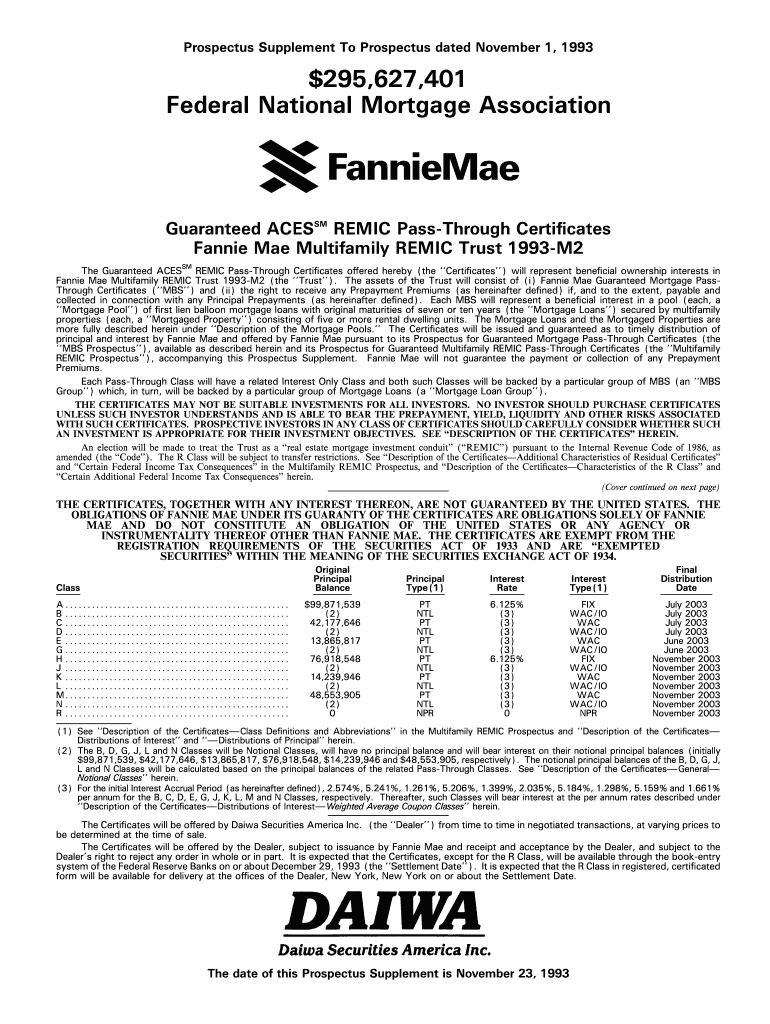
The Federal National Mortgage Association, commonly known as Fannie Mae, is a government-sponsored enterprise that plays a pivotal role in the U.S. housing market. Established to expand the secondary mortgage market, it allows lenders to reinvest their assets into more lending, thereby increasing the number of lenders in the mortgage market. Essentially, Fannie Mae purchases mortgages from lenders, which provides them with capital to issue new loans. This mechanism stabilizes the housing finance system and contributes to affordable housing availability across the nation.
How to Use the Mortgage Association - Fannie Mae
To utilize Fannie Mae effectively, you must understand its role in the mortgage industry. This involves recognizing its function in buying and guaranteeing loans, which permits mortgage lenders to maintain liquidity. For homeowners, benefiting from Fannie Mae implies securing a mortgage loan that is more likely to offer competitive interest rates and terms. Understanding Fannie Mae guidelines and lending criteria is critical for individuals looking to apply for a Fannie Mae-backed loan. Furthermore, lenders must adhere to specific standards to sell loans to Fannie Mae, ensuring these loans meet eligibility criteria.
How to Obtain the Mortgage Association - Fannie Mae
Individuals seeking loans that may be sold to Fannie Mae should contact authorized lenders who are capable of originating such loans. These lenders will guide applicants through the qualification process based on Fannie Mae's underwriting guidelines. The application involves submitting necessary financial documents, such as income statements and credit histories, to assess eligibility. Once all conditions are met, the loan is originated and can be sold to Fannie Mae, enabling the borrower to benefit from potentially favorable loan terms backed by the association.
Key Elements of the Mortgage Association - Fannie Mae
Fannie Mae's key components include its standardized mortgage practices, risk management, and eligibility criteria for loans. It sets guidelines for conforming loans, which are mortgages that meet specific criteria regarding loan size and borrower credentials. Another essential aspect is its automated underwriting systems, such as Desktop Underwriter®, for assessing credit risk. The corporation's role in securitizing mortgages into mortgage-backed securities also contributes to the liquidity of the housing finance market, allowing for an expansive range of borrowing options and financial products.
Eligibility Criteria
To qualify for a Fannie Mae-backed loan, borrowers must meet specific criteria such as credit score thresholds, loan-to-value ratio limits, and debt-to-income ratios. Additionally, Fannie Mae requires complete and verified documentation of the borrower's financial status, including employment and income details. The property in question must meet certain standards and be intended for residential purposes, whether as a primary residence, second home, or investment property. Each eligibility requirement ensures that the loans Fannie Mae acquires align with its guidelines for manageability and risk.


Legal Use of the Mortgage Association - Fannie Mae
The legal framework governing Fannie Mae involves adherence to federal housing finance regulations. The entity operates under the oversight of the Federal Housing Finance Agency (FHFA), ensuring all activities conform with national borrower protection laws and lending practices. This includes meeting the obligations of the ESIGN Act concerning electronic signatures and maintaining compliance with fair housing and anti-discrimination laws. For lenders, compliance with Fannie Mae’s guidelines is paramount to legally selling loans to the association and participating in conventional mortgage markets.
Software Compatibility
Fannie Mae utilizes robust technological infrastructures compatible with various software platforms used by lenders, including loan origination and processing systems. Desktop Underwriter® and Collateral Underwriter® exemplify Fannie Mae's commitment to facilitating lender access to reliable underwriting and assessment technology. Additionally, the integration of tools easily compatible with major software like TurboTax or QuickBooks aids in smooth loan processing and financial tracking, ensuring data integrity and efficiency for both lenders and borrowers.
State-Specific Rules for the Mortgage Association - Fannie Mae
While Fannie Mae operates under federal mandates, state-specific housing laws may impact the application of its guidelines. Certain states impose additional regulatory requirements for foreclosure processes, lending permissions, and consumer protections that must be addressed alongside Fannie Mae’s criteria. Lenders and borrowers need to understand both national and local housing laws to fully comply with all legal obligations involved in obtaining and managing a mortgage through Fannie Mae.
Examples of Using the Mortgage Association - Fannie Mae
Consider a real estate investor looking to diversify their portfolio with rental properties. By securing a Fannie Mae-backed mortgage, this investor benefits from lower interest rates and favorable repayment terms. Similarly, first-time homebuyers might choose a Fannie Mae loan due to its manageable down-payment requirements and efficient process for income verification. For lenders, selling loans to Fannie Mae allows the continuation of offering new mortgages without utilizing their entire capital reserves, resulting in an increased capacity to support local home-buying activities.