Privilege Procedure Control Card 2025

Get Form
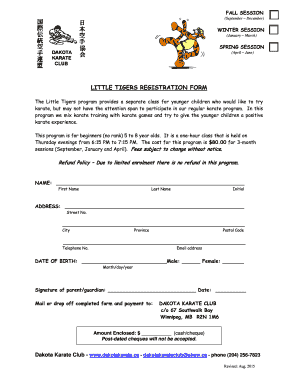
Privilege Procedure Control Card Preview on Page 1

Here's how it works

01. Edit your form online
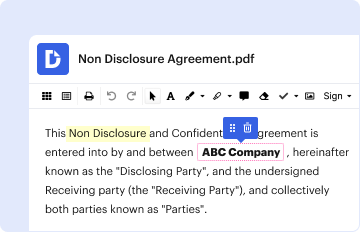
Type text, add images, blackout confidential details, add comments, highlights and more.
02. Sign it in a few clicks
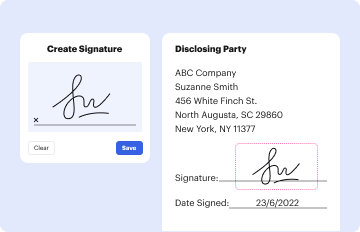
Draw your signature, type it, upload its image, or use your mobile device as a signature pad.
03. Share your form with others
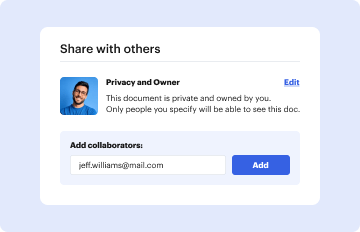
Send it via email, link, or fax. You can also download it, export it or print it out.

How to use or fill out Privilege Procedure Control Card with DocHub

Form edit decoration
9.5
Ease of Setup
DocHub User Ratings on G2
9.0
Ease of Use
DocHub User Ratings on G2
  1. Click ‘Get Form’ to open the Privilege Procedure Control Card in our editor.
  2. Begin by entering your name and specialty in the designated fields at the top of the form. This personal information is essential for identifying your privileges.
  3. Review the Radiology Privileges section. For each privilege listed, check the 'Granted' box if you meet the criteria, ensuring you accurately reflect your qualifications.
  4. In the Interventional section, similarly mark the privileges you are requesting. Pay close attention to any specific requirements noted next to certain procedures.
  5. Complete the Teleradiology section by indicating whether you require preliminary readings and signing where indicated.
  6. Finally, sign and date the form at the bottom, ensuring all necessary approvals are obtained from relevant authorities before submission.

Start using our platform today to streamline your document editing and signing process for free!

be ready to get more

Complete this form in 5 minutes or less

Get form

Got questions?

We have answers to the most popular questions from our customers. If you can't find an answer to your question, please contact us.
Contact us
For example, super users as they have free access to all assets and they can change and software. Domain administrators, local administrators, and application administrators would also count as privileged users as they all have different levels of privilege that allow them to access and change specific things.
Two primary use cases for privileged access management are preventing credential theft and achieving compliance. Credential theft is when a threat actor steals login information to gain access to a users account.
A privilege is a permission to perform an action or a task. Authorized users can create objects, have access to objects they own, and can pass on privileges on their own objects to other users by using the GRANT statement.
The PROCESS privilege controls access to information about threads executing within the server (that is, information about statements being executed by sessions).
System privileges PrivilegeDescription CREATE SYNONYM Enables a user to create a private synonym. CREATE TABLE Enables a user to create a table owned by that user. CREATE VIEW Enables a user to create a view owned by that user. DELETE ANY TABLE Enables a user to delete from any table in the database.42 more rows
be ready to get more

Complete this form in 5 minutes or less

Get form

People also ask

Privileged access management (PAM) has to do with the processes and technologies necessary for securing privileged accounts. It is a subset of IAM that allows you to control and monitor the activity of privileged users (who have access above and beyond standard users) once they are logged into the system.

Related links