






Definition & Meaning
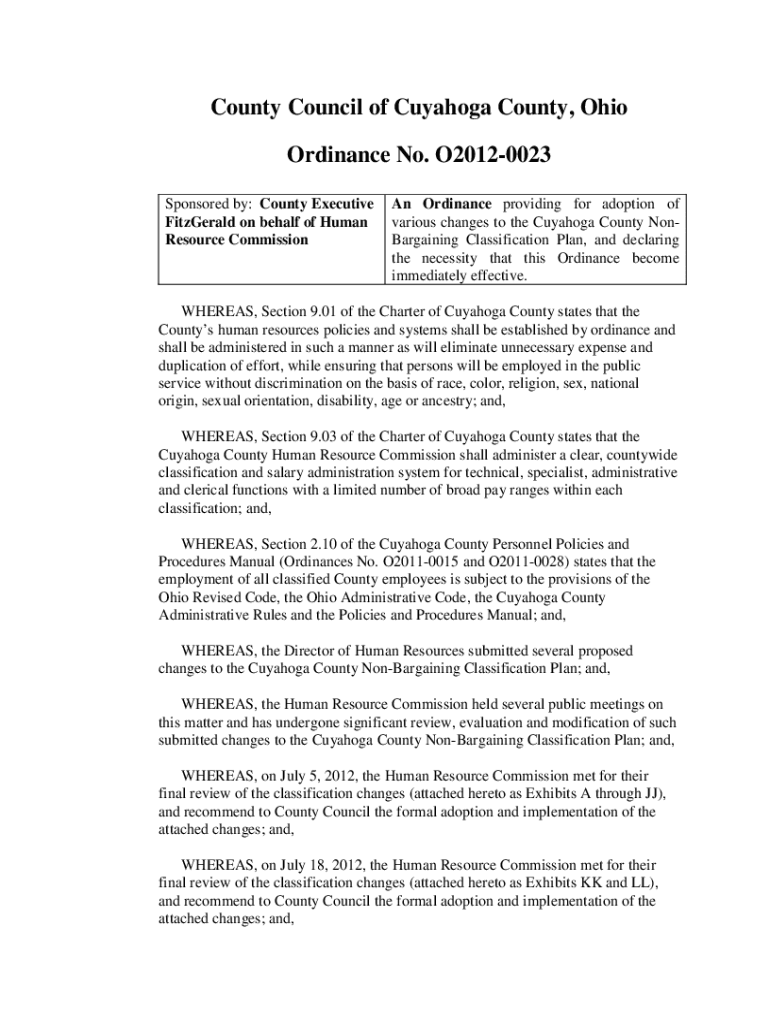
The term "Resource Commission" typically refers to a designated body or process established to oversee, allocate, or manage resources—financial, natural, or otherwise—within a specific organization, industry, or governmental structure. This commission often plays a crucial role in ensuring that resources are utilized effectively and sustainably, aligning with overarching policies and objectives. The precise function of a Resource Commission can vary greatly based on its governing documents and the context in which it operates, making its role essential in strategic resource management.
How to Use the Resource Commission
Utilizing a Resource Commission involves engaging with the processes and procedures it outlines for resource distribution and governance. Here’s a strategic way to engage with such a commission:
- Identify Needs: Begin by assessing the specific resources you require or manage and ensure they align with the commission's scope.
- Understand Policies: Familiarize yourself with the commission's policies, guidelines, and processes to ensure compliance.
- Application Process: Prepare and submit any necessary paperwork or digital forms required to access the desired resources.
- Follow-up: After submission, maintain communication with commission representatives to track the status of your application or queries.
How to Obtain the Resource Commission Form
To access the Resource Commission form, follow these steps:
- Official Website: Visit the official website where the commission operates.
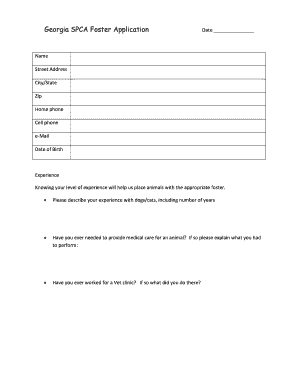
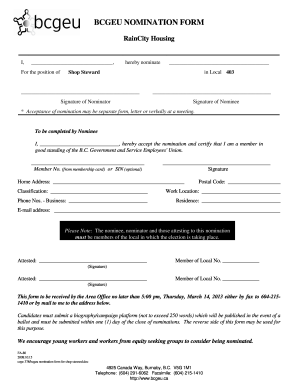
- Download or Request: Find an option to download the form directly or request a physical copy if necessary.
- Digital Access: Utilize any online portals available for immediate access and submission of forms.
- Contact: If online options are unclear, contact the commission through official contact methods provided on their website for guidance.
Steps to Complete the Resource Commission Form
Completing the Resource Commission form involves meticulous attention to detail:
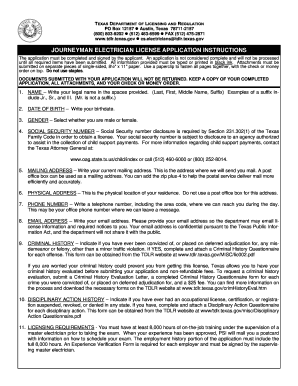
- Review Instructions: Carefully read any instructions accompanying the form.
- Gather Information: Collect all necessary information, documents, and data needed for the form.
- Fill Out Form: Enter all required information accurately, ensuring no sections are left incomplete.
- Double Check: Review the completed form for any errors or omissions.
- Submit Form: Follow submission guidelines, ensuring timely delivery through the designated method, whether online, by mail, or in person.
Critical Legal Use of the Resource Commission
The legal use of Resource Commissions is governed by specific regulations and acts, which may vary based on state or federal law. It is critical to:
- Compliance: Abide by all legal frameworks that dictate the commission's scope and limitations.
- Documentation: Maintain thorough records of interactions and submissions to the commission for accountability.
- Ethical Practices: Ensure all engagements with the commission are conducted ethically, supporting transparency and legality in resource allocation.
Examples of Using the Resource Commission
The practical application of a Resource Commission can be illustrated through several scenarios:
- Environmental Management: A commission overseeing water resources might allocate water rights among agricultural users to ensure sustainable use.
- Education Sector: Commissions might distribute funds to educational institutions based on criteria such as need and population served.
- Public Health: Commissions could manage the distribution of vaccines or medical resources during public health emergencies.
Key Elements of the Resource Commission
Resource Commissions generally have several key elements that define their structure and function:
- Governing Body: Typically, a board or council oversees operations, ensuring alignment with the commission’s objectives.
- Resource Allocation Policies: Clear guidelines and frameworks are essential for administering resources fairly and effectively.
- Transparency Mechanisms: Public reporting and accountability practices are often instituted to foster trust and legality.
State-Specific Rules for the Resource Commission
Each state may have its own specific regulations and rules related to the operation of Resource Commissions. For instance:
- Regional Variations: The allocation and management practices may differ based on local needs and legislative frameworks.
- State Legislation: Local laws can impact how commissions operate, influencing criteria for resource allocation, roles, and responsibilities.
- Interstate Cooperation: In some cases, commissions may work across state lines to manage resources that span jurisdictions, such as river basins or shared infrastructure.
Each of these sections provides an in-depth look into various aspects of a Resource Commission, offering practical advice, legal context, and illustrative examples to give a comprehensive view designed to serve diverse informational needs.