






Definition and Meaning of Connecticut Law About Landlord-Tenant Law
Connecticut's landlord-tenant law governs the rights and responsibilities of both landlords and tenants. It ensures that all parties adhere to regulations concerning rental agreements, use, and maintenance of rental properties, and dispute resolutions. This law includes various aspects such as rent payment, security deposits, property maintenance, eviction procedures, and tenants' rights. By understanding and adhering to this law, landlords and tenants can prevent disputes, ensuring smooth and legal rental operations.
Steps to Complete Connecticut Law About Landlord-Tenant Law Forms
-
Gather Necessary Information:
- Collect all pertinent details, including tenant and landlord contact information, lease terms, and property addresses.
-
Access the Proper Forms:
- Obtain the relevant forms needed for specific actions, like starting an eviction or notifying about a lease termination. These can typically be found on state government websites or through legal service providers.
-
Fill Out Forms Accurately:
- Complete each field with precise and truthful information. Use clear and unambiguous language to avoid misunderstandings or disputes.
-
Review and Sign:
- Double-check all entered information for accuracy. Both parties should then review and sign the forms where applicable.
-
Submission and Filing:
- Submit the forms to the appropriate authorities or parties. Ensure you comply with any specific instructions for filing, such as deadlines or additional documentation.
Legal Use of the Connecticut Law About Landlord-Tenant Law
Connecticut law is designed to protect both landlords and tenants. Landlords must comply with regulations regarding property maintenance and tenant privacy, while tenants are obligated to maintain the property in good condition and honor lease agreements. Legal uses include handling disputes through mediation or court, executing legal evictions, and setting fair lease terms. Violations of these laws can result in legal consequences, including fines or court orders.
Key Elements of the Connecticut Law About Landlord-Tenant Law
-
Rent and Lease Agreements:
- Clearly defined lease terms, rent amounts, due dates, and payment methods.
-
Security Deposits:
- Rules regarding the collection, use, return, and interest of security deposits.
-
Property Maintenance:
- Requirements for property upkeep by landlords, ensuring safety and habitability standards.
-
Eviction Procedures:
- Legal process for evictions, including notice requirements and allowable reasons for eviction.
-
Tenant's Rights:
- Rights related to privacy, access to habitable living conditions, and legal recourse in disputes.
State-Specific Rules for Connecticut Law About Landlord-Tenant Law
-
Notice Periods:
- Specific notice periods required for lease termination and eviction notices vary by state and must be strictly adhered to in Connecticut.
-
Tenant Protections:
- Connecticut provides robust protections against retaliatory actions by landlords and outlines conditions under which leases can be legally terminated by tenants.
-
Rent Control:
- While Connecticut does not have statewide rent control, it mandates fair rental practices and lease agreements subject to state oversight.
Examples of Using Connecticut Law About Landlord-Tenant Law
Landlords may use the law to initiate a lawful eviction process for tenants who consistently fail to pay rent. Conversely, tenants may invoke the law to demand necessary repairs from landlords to maintain habitable living conditions. In both scenarios, understanding and correctly applying the law if a dispute arises can lead to swift and fair resolutions.
Important Terms Related to Connecticut Law About Landlord-Tenant Law
-
Summary Process:
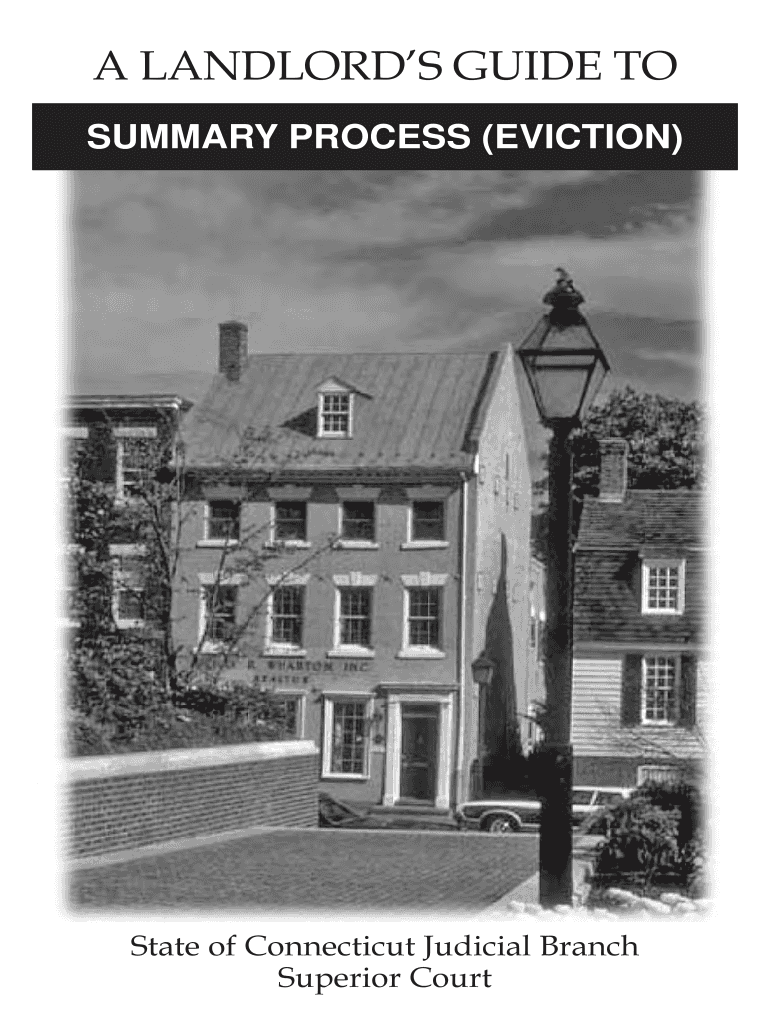
- The legal procedure for evicting a tenant in Connecticut.
-
Quiet Enjoyment:
- A tenant's right to enjoy their residence without interference from the landlord or others.
-
Mitigation:
- The landlord's duty to mitigate damages by seeking new tenants promptly after a lease termination.
Penalties for Non-Compliance with Connecticut Law About Landlord-Tenant Law
Non-compliance can lead to fines, penalties, or legal judgements against the offending party. For landlords, failure to follow eviction procedures can result in dismissal of eviction cases or financial penalties. Tenants not adhering to lease terms may forfeit security deposits or face eviction. Repeated violations by landlords could also result in sanctions by state regulatory bodies.