
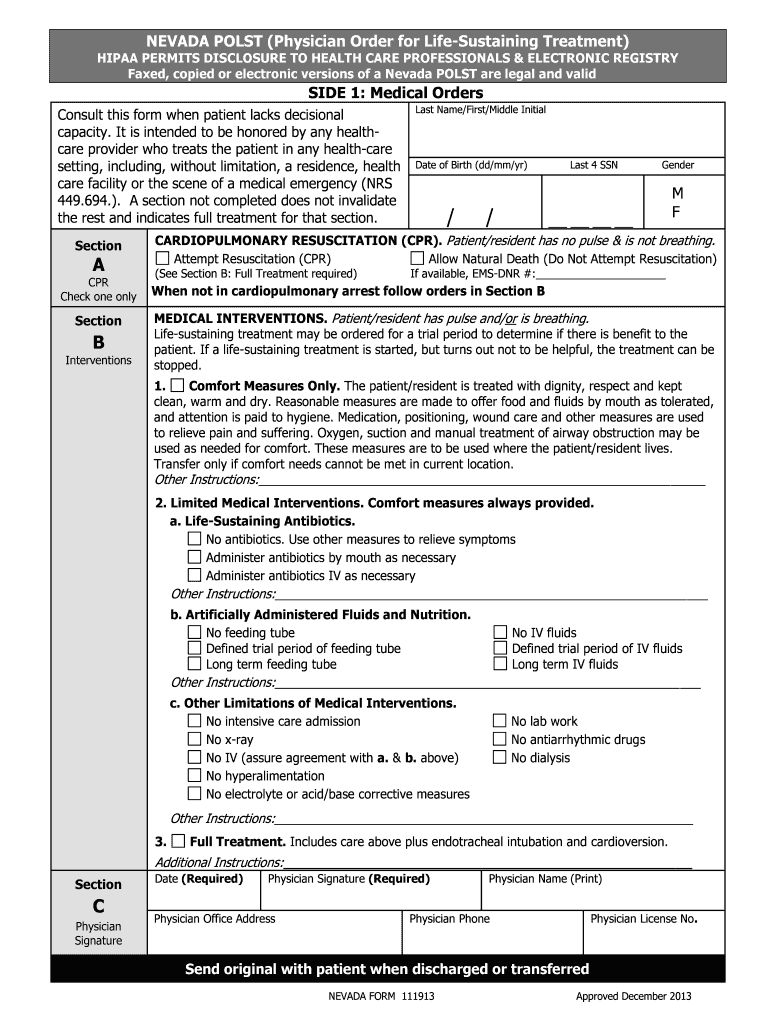







Definition and Meaning of HIPAA Permits Disclosure to Health Care Professionals
The Health Insurance Portability and Accountability Act (HIPAA) creates a legal framework that guides how patient health information can be shared. The phrase "HIPAA permits disclosure to health care professionals" refers to the stipulations under HIPAA that allow covered entities, such as hospitals or physician practices, to share patient health information with other healthcare professionals involved in a patient's care without requiring patient consent each time. This ensures a seamless flow of information necessary for treatment and care coordination.
Key Elements Defined
- Covered Entities: Includes health plans, health care clearinghouses, and healthcare providers who transmit any health information in electronic form.
- Protected Health Information (PHI): Includes any information about health status, provision of health care, or payment for health care that can be linked to an individual.
- Minimum Necessary Standard: Ensures that only the information necessary to satisfy a particular purpose is disclosed.
How to Use the HIPAA Disclosure Permissions
Using HIPAA disclosure permissions involves understanding when and how this disclosure can happen lawfully. It is essential to ensure that disclosures comply with HIPAA's rules and the minimum necessary standard.
Practical Scenarios
- Direct Health Care: A primary care physician may share PHI with a specialist for treatment.
- Payment Operations: Disclosures are permitted for billing purposes between a healthcare provider and an insurance company.
- Health Operations: Information may be shared for quality assessments and improvement activities.
Compliance Measures
- Ensure all staff are trained on HIPAA rules.
- Implement policies to periodically review disclosure practices.
- Use audit logs to monitor access and disclosures of PHI.
Steps to Complete the HIPAA Disclosure Form
Completing a HIPAA disclosure form involves specific steps to ensure compliance and proper documentation.
- Identify the Recipient: Determine the healthcare professional or entity that requires the information.
- Verify Purpose of Disclosure: Make sure the purpose of sharing aligns with treatment, payment, or healthcare operations.
- Sign the Form: Authorized personnel must sign the form, affirming the need for disclosure.
- Enter Specific Information to Disclose: Clearly document what PHI will be shared.
- File Retention: Keep a copy of the completed form in the patient's medical record for future reference.
Who Typically Uses HIPAA Disclosure Permissions
HIPAA disclosure permissions are typically used by various entities and professionals within the healthcare sector.
Common Users
- Healthcare Providers: Doctors, nurses, hospitals, and clinics that handle treatment and care coordination.
- Insurance Companies: For processing claims and payments.
- Health Care Administrators: For health care operations such as audits and compliance review.


Use Cases
- Patient Referrals: When referring a patient to a specialist for further treatment.
- Insurance Claims: When coordinating benefits and processing claims.
Important Terms Related to HIPAA Disclosures
Understanding key terms related to HIPAA helps ensure clear communication and compliance.
- Authorization: Documentation required from a patient for uses and disclosures of PHI not otherwise covered by HIPAA.
- Consent: General agreement by a patient for disclosure of PHI for treatment, payment, and operations.
- Business Associate: Any person or entity that performs certain functions or activities on behalf of a covered entity that involve the use or disclosure of PHI.
Legal Use of HIPAA Disclosures
To legally use HIPAA disclosures, entities must ensure they follow the letter of the law and the spirit of patient confidentiality.
Fundamental Requirements
- Authorization: Required for any use or disclosure of PHI not covered by the exceptions.
- Notice of Privacy Practices: Must be provided to patients, explaining how their information will be used and shared.
- Data Security: Institutions must safeguard PHI from unauthorized access and breaches.
Penalties for Non-Compliance
Non-compliance with HIPAA regulations, including improper disclosures, can result in significant penalties.
Types of Penalties
- Civil Penalties: Fines ranging from $100 to $50,000 per violation, capped annually based on severity.
- Criminal Penalties: Includes fines and imprisonment for individuals who knowingly violate HIPAA rules, ranging up to $250,000 and ten years imprisonment in the most severe cases.
Disclosure Requirements and Security Measures
Disclosure of PHI under HIPAA must adhere to strict requirements to protect patient confidentiality.
Security Protocols
- Encryption: Ensure PHI is encrypted during transmission.
- Access Control: Provide access to PHI on a need-to-know basis.
- Audit Controls: Implement tracking for PHI access to detect any unauthorized use.
Healthcare professionals and administrators must be educated and vigilant in maintaining the confidentiality of patient information, ensuring that disclosures are lawful and conform to both the letter and spirit of HIPAA regulations.




