Definition & Meaning
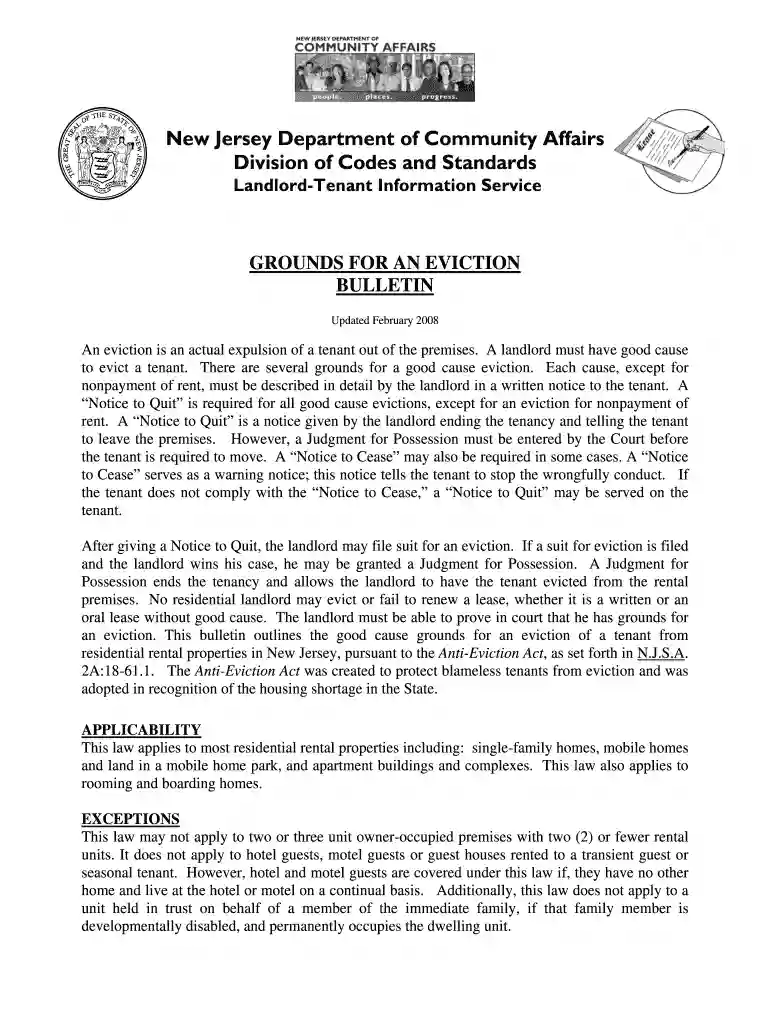
The "LSNJLAW - How to Research Landlord-Tenant Law" is a resource designed to guide legal research relating to landlord and tenant disputes. It provides comprehensive information on various legal and procedural aspects involved in managing landlord-tenant relationships. The document is particularly aimed at helping individuals understand their legal rights and obligations, and offers guidance on navigating through complex landlord-tenant disputes within the U.S. legal framework.
How to Use the LSNJLAW - How to Research Landlord-Tenant Law
To effectively utilize the LSNJLAW document, start by identifying the specific issue or topic you need to research, such as eviction processes or lease agreements. Next, locate the relevant sections within the document that address your concerns. Use the provided guidelines and explanations to gain clarity on the legal aspects and procedures involved. Keep the context of your jurisdiction in mind, as state laws can impact interpretations and applications of the law.
Steps to Complete the LSNJLAW - How to Research Landlord-Tenant Law
- Identify the Issue: Determine the specific landlord-tenant matter you need information on, such as security deposits or lease modifications.
- Access the Document: Obtain a copy of the LSNJLAW resource, either through a legal aid office, library, or an online platform offering access.
- Navigate the Sections: Use the table of contents or index to find relevant sections.
- Analyze the Information: Thoroughly read and interpret the information provided to apply it to your specific situation.
- Documentation: Collect any necessary documents that complement your research findings, such as leases or correspondence.
Key Elements of the LSNJLAW - How to Research Landlord-Tenant Law
The document typically covers several essential components, including:
- Tenant Rights: Detailed information on tenant protections under federal and state laws.
- Eviction Procedures: Step-by-step guidance on lawful eviction processes and tenant defenses.
- Lease Agreements: Information on rights and responsibilities outlined in lease contracts.
- Security Deposits: Guidance on handling deposits, returns, and permissible deductions under the law.
- Repair and Maintenance Obligations: Policies dictating landlord responsibilities for maintaining habitability standards.
Important Terms Related to LSNJLAW - How to Research Landlord-Tenant Law
Understanding specific legal terminology is crucial for effective research. Common terms include:
- Eviction Notice: A formal declaration by a landlord to terminate a lease under specified conditions.
- Habitability: Legal criterion mandating the landlord to maintain a livable residence.
- Lease Term: The duration for which the lease agreement is valid.
- Security Deposit: A sum paid in advance to cover potential damages or unpaid rent.
State-Specific Rules for LSNJLAW - How to Research Landlord-Tenant Law
Landlord-tenant laws can significantly vary by state. While some states have tenant-friendly regulations, others may offer more protection to landlords. The LSNJLAW document ensures it accommodates these differences by offering a breakdown of state-specific rules, such as:
- Eviction Timelines: Varying statutory timeframes for serving notices and filing complaints.
- Security Deposit Limits: State-imposed restrictions on the amount landlords can require as a deposit.
- Notice Requirements: Different requirements for tenant or landlord notification regarding lease terminations or rent increases.
Who Typically Uses the LSNJLAW - How to Research Landlord-Tenant Law
A diverse group of users may rely on this resource, including:

- Tenants: Individuals seeking to understand their rights or defend against unfair eviction.
- Landlords: Property owners aiming to comply with legal standards or address disputes.
- Legal Aid Professionals: Lawyers or paralegals assisting clients with landlord-tenant issues.
- Community Organizations: Groups that advocate housing rights and legal education.
Legal Use of the LSNJLAW - How to Research Landlord-Tenant Law
This resource not only provides guidance but also assists in legal compliance. Users aim to:
- Ensure adherence to legal standards to avoid penalties or litigation.
- Resolve disputes amicably with an understanding of legal rights and remedies.
- Prepare for legal proceedings with documented evidence and knowledge from the guide.
Examples of Using the LSNJLAW - How to Research Landlord-Tenant Law
- Eviction Defense: A tenant facing unlawful eviction can utilize the document to understand their rights and the procedural errors in the landlord's approach.
- Lease Dispute: A landlord can refer to the LSNJLAW to ascertain whether specific lease conditions comply with state law, particularly when challenged by a tenant.
- Security Deposit Recovery: Tenants can find out the correct procedure and time frame for reclaiming security deposits after vacating a property.