
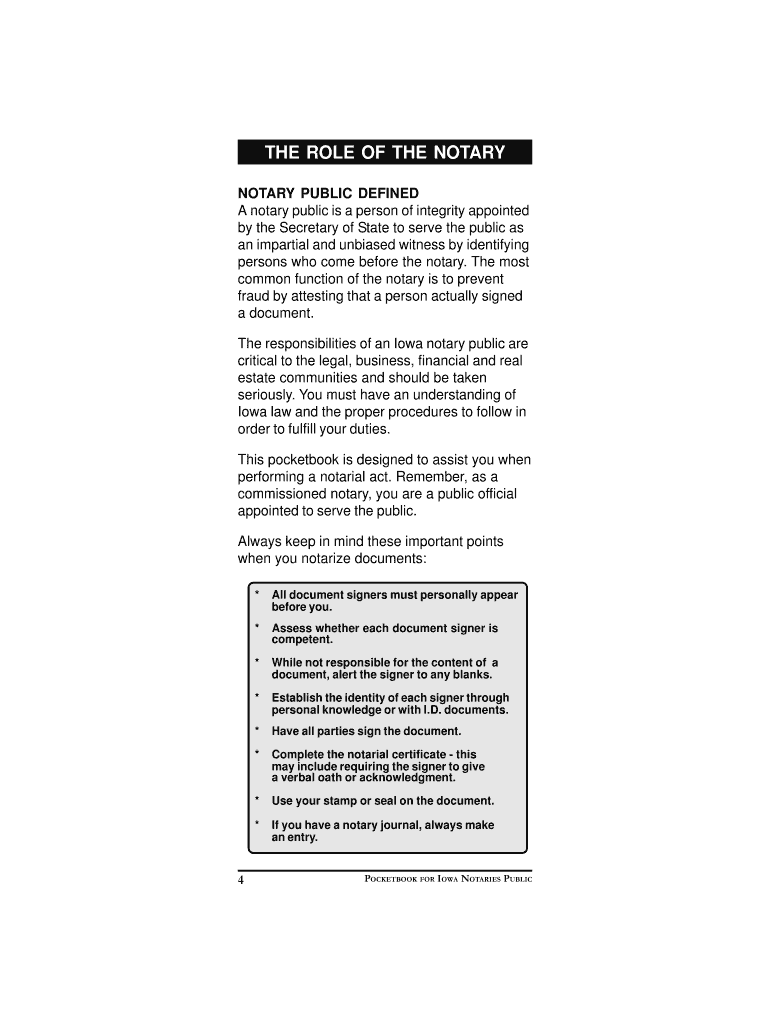







Definition and Meaning of the Iowa Pocketbook
The Iowa Pocketbook is a comprehensive financial resource tool used primarily by individuals and businesses within Iowa to help manage and understand financial transactions and obligations. It encompasses a wide array of financial topics and governance related to taxes, personal finance, and business management. This document is a valuable guide in understanding state-specific fiscal policies, tax liabilities, and economic guidelines.
How to Use the Iowa Pocketbook
The Iowa Pocketbook can be utilized effectively by referencing its guidelines and informational sections tailored to various fiscal scenarios. Users can:
- Navigate through different sections to find relevant financial information.
- Utilize its guidelines to ensure compliance with state-specific regulations.
- Refer to financing strategies and management tips provided within the document.
Users should familiarize themselves with the document’s layout to quickly locate the sections relevant to their specific needs, ensuring that they adhere to outlined financial responsibilities.
Steps to Complete the Iowa Pocketbook
Completing tasks or sections within the Iowa Pocketbook requires a systematic approach:
- Identify Relevant Sections: Begin by locating the sections pertinent to your financial context, such as personal finance or business taxes.
- Gather Necessary Information: Collect all necessary documents and information required for completion.
- Follow Detailed Guidelines: Carefully follow the guidelines outlined in the document for each section to ensure accuracy.
- Verify Compliance: Double-check all entries against current Iowa state regulations outlined within the document to ensure full compliance.
Key Elements of the Iowa Pocketbook
The Iowa Pocketbook is comprised of essential elements that facilitate financial understanding and compliance. These include:
- Tax Guidelines: Detailed instructions and policies surrounding personal and business tax obligations.
- Financial Tips: Strategies for effective budgeting and financial planning specific to Iowa’s economic environment.
- Legal Obligations: Information on state-specific laws and compliance guidelines necessary for financial operations.
State-Specific Rules for the Iowa Pocketbook
Iowa’s financial landscape is governed by specific rules that differ from general federal guidelines. This includes:
- State Tax Rates: Iowa-specific tax rates that apply to income and business earnings.
- Regulatory Compliance: State mandates concerning financial disclosure and reporting.
- Economic Initiatives: Information on state-sponsored programs and initiatives that can impact financial planning and tax filing.
Important Terms Related to the Iowa Pocketbook
Understanding the Iowa Pocketbook includes familiarity with key terminologies used within its pages:
- Fiscal Year: A period used for calculating annual financial statements in organizations and governments.
- Deductible: Expenses that can be subtracted from gross income to reduce taxable income.
- Tax Liability: The total amount of tax that an entity is legally obligated to pay to a taxing authority.
Examples of Using the Iowa Pocketbook
The practical application of the Iowa Pocketbook can be seen in various scenarios:
- An individual using it to plan state taxes and understand eligible deductions.
- A business owner referencing it to comply with state-specific licensing and tax requirements.
- Non-profits utilizing guidance on maintaining tax-exempt status under Iowa law.
Definition and Importance of Legal Use
The Iowa Pocketbook serves as a legally compliant guide that helps users abide by Iowa’s state regulations. Legal use includes:
- Ensuring financial actions and filings adhere to state laws.
- Acting as a reference to avoid penalties by being informed of the current legal requirements.
- Aiding in the accurate computation and submission of taxes and related filings.
Penalties for Non-Compliance
Failure to adhere to the guidelines and rules outlined in The Iowa Pocketbook can result in:
- Fines: Monetary penalties as determined by the severity of non-compliance.
- Audits: Thorough examinations of financial records by state authorities.
- Legal Actions: Potential legal proceedings against individuals or businesses failing to comply with state financial obligations.
Familiarity with the Iowa Pocketbook can effectively mitigate risks associated with non-compliance and ensure smooth financial operations.




