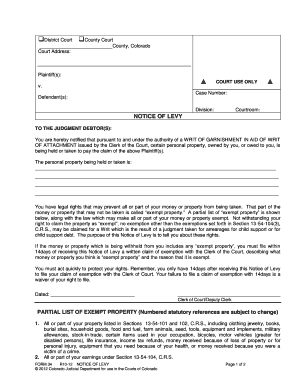
01. Edit your form online
Type text, add images, blackout confidential details, add comments, highlights and more.

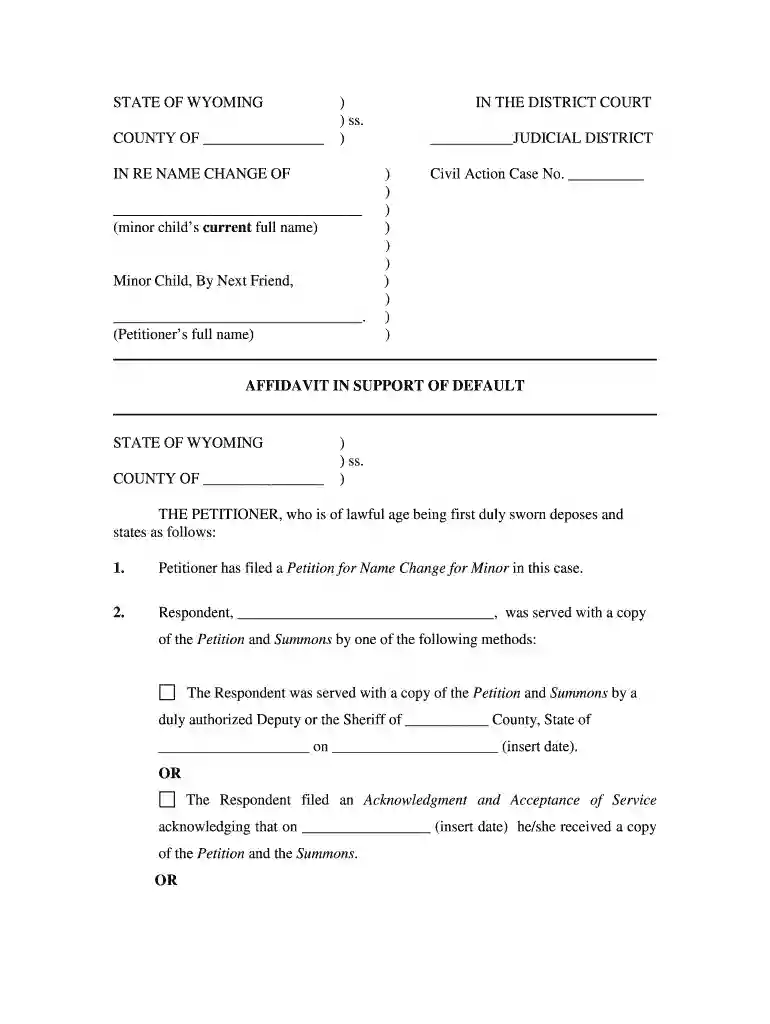
Type text, add images, blackout confidential details, add comments, highlights and more.

Draw your signature, type it, upload its image, or use your mobile device as a signature pad.

Send it via email, link, or fax. You can also download it, export it or print it out.
The "Order for Service by Publication" eforms is a legal document used predominantly in civil court proceedings where one party, usually the petitioner, seeks to inform a respondent of legal actions being taken against them when traditional methods of service have proven unsuccessful. This form is a means to request the court's permission to notify the absent party via public announcements, typically in a newspaper, rather than through direct personal service. This ensures that the legal process continues even if the respondent is difficult to locate.
Using this form involves specific legal steps that require precision. Initially, you must make several bona fide attempts to locate and serve the respondent through standard personal service methods. If unsuccessful, the ORDER FOR SERVICE BY PUBLICATION allows you to present these attempts in court as a basis for requesting alternative service methods. This involves detailing efforts such as calling last-known phone numbers, visiting addresses, and searching public records. It's essential to follow your jurisdiction’s rules, as the requirements can differ, necessitating proof of attempts.
Gather Information: Collect all relevant information about the attempt to serve the respondent, including date/time of attempts, addresses visited, and any correspondence.
Fill Out the Form: Enter the details on the form, including the case number, court location, and specifics of the service attempts.
Attach Evidence: Include any supporting documentation such as affidavits of service, electronic communication logs, and notes from personal visits.
Submit to Court: File the completed form, with attachments, to the appropriate court clerk.
Await Court Decision: Once filed, wait for the court's approval, which either grant permission for service by publication or request further actions or corrections.
This eform is crucial when personal service is impractical. Using an order for service by publication ensures legal proceedings are not stalled due to the absence of one party, thus protecting the petitioner’s right to due process. It's particularly beneficial in cases like divorce proceedings, child custody, or inheritance disputes where legal closure or resolution is required without unnecessary delays. Alternatively, it signifies to the court that all reasonable efforts to locate the respondent have been exhausted, maintaining the integrity of the judicial process.
Legal utilization of this form requires adherence to specific jurisdictional procedures. Courts demand compelling evidence of the petitioner’s diligent efforts to contact the respondent through standard channels. Legal use implies transparent disclosure of all searches, attempts, and contact means explored, rightfully demonstrating the need for publication service. Ignoring these steps might lead to the dismissal of the request, delaying legal proceedings.
Each state establishes its guidelines and statutes governing service by publication. States have different requirements on where and how the publication should occur, the frequency of publication, and the necessary proof of publication. For example, New York requires publication in a newspaper with general circulation for a specific period, often once a week for three consecutive weeks. Awareness of these specifics ensures compliance and prevents legal complications or dismissal of the case due to procedural errors.
A classic example is a family law case where one party files for divorce but is unable to locate their spouse, who has moved out of state with no forwarding address. Here, the petitioner would detail all attempts to find the spouse, including contacting relatives or using social networks, followed by court approval for newspaper publication. This ensures that even if the spouse is unreachable, the legal process continues, allowing for potential divorce proceedings to conclude in their absence.
While some jurisdictions offer digital submissions of the "Order for Service by Publication" for expedited processing, many courts still rely on traditional paper submissions for these specific requests. Digital forms offer benefits such as faster completion and submission, while paper methods may be necessary when digital infrastructure is unavailable or unreliable. Regardless of format, ensuring full completion and proper documentation remains critical to court approval.
This form is commonly employed by individuals, attorneys, and legal representatives engaged in civil cases where parties are missing. Situations may include uncontested divorces, estate settlements where heirs are missing, child custody disputes, and debt collections when debtors can't be found. It provides a means for these users to advance their cases despite the absence of the opposing parties, ensuring their legal rights are preserved.


At DocHub, your data security is our priority. We follow HIPAA, SOC2, GDPR, and other standards, so you can work on your documents with confidence.