Privately owned cervidae report 2026

Get Form
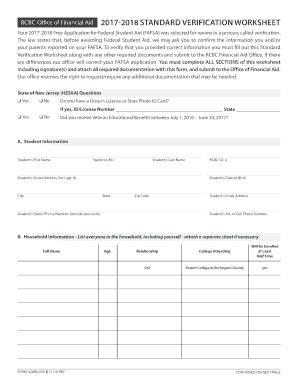
privately owned cervidae report Preview on Page 1

Here's how it works

01. Edit your privately owned cervidae report online
Type text, add images, blackout confidential details, add comments, highlights and more.

02. Sign it in a few clicks
Draw your signature, type it, upload its image, or use your mobile device as a signature pad.

03. Share your form with others
Send michigan fence report online via email, link, or fax. You can also download it, export it or print it out.

Definition and Meaning

The "privately owned cervidae report" is a formal document required by certain regulatory bodies, such as the Michigan Department of Natural Resources, to track and document activities related to cervidae (deer family) kept in private facilities. This report plays a vital role in maintaining records and ensuring compliance with state regulations regarding the care and management of these animals. The report typically includes data on inspections, health records, and any relevant activities within the facility, supporting transparency and accountability in wildlife management.

Steps to Complete the Privately Owned Cervidae Report

  1. Initial Inspection and Documentation:

    • Conduct a thorough initial inspection of the facility parameters and cervidae enclosures.
    • Document the physical condition of the fences and the state of the environment.
  2. Weekly Perimeter Checks:

    • Set a schedule for weekly inspections to assess perimeter integrity and security.
    • Record any findings or maintenance requirements identified during these checks.
  3. Data Collection:

    • Gather detailed information on cervidae health, including veterinary visits and medical treatments.
    • Log feeding schedules, breeding records, and other management actions throughout the year.
  4. Annual Review:

    • Prepare for an annual assessment by compiling all weekly and monthly data into a comprehensive summary.
    • Review the information for accuracy and completeness before beginning the final reporting process.
  5. Final Report Compilation:

    • Use the collected data to complete the officially designated sections of the report.
    • Verify that all required fields are filled in appropriately and any supporting documents are attached.

Key Elements of the Privately Owned Cervidae Report

  • Facility Information:

    • Owner details, contact information, and physical address of the cervidae site.
  • Inspection Logs:

    • Documentation of all inspections conducted, including dates, findings, and corrective actions taken.
  • Inventory and Identification:

    • A detailed inventory of all cervidae within the facility, including individual identification tags or markings.
  • Veterinary Records:

    • Records of all veterinary interventions and medical history relevant to each animal.
  • Maintenance Activities:

    • Logs of maintenance activities carried out on the perimeter fences and living quarters.

Legal Use of the Privately Owned Cervidae Report

The privately owned cervidae report is a critical legal instrument that supports compliance with wildlife conservation laws. It is used to verify that privately owned cervidae facilities meet essential regulations and standards. Legal compliance ensures that facility owners operate responsibly, protecting both the animals and the environment. Non-compliance not only risks penalties but can also endanger wildlife through inadequate management practices.

Penalties for Non-Compliance

Failure to maintain the privately owned cervidae report, or inaccuracies within the report, can result in severe penalties. Facility owners might face fines, suspension of their operating license, or other legal actions. The enforcement of these penalties ensures adherence to standards that prevent the illegal trade of cervidae and the spread of wildlife diseases. Owners should prioritize accurate record-keeping to avoid such repercussions.

Important Terms Related to Privately Owned Cervidae Report

  • Cervidae: A family of hoofed mammals that includes deer, moose, and elk.
  • Inspection Log: A written record of the assessments conducted to ensure facility compliance with set standards.
  • Perimeter Check: Regular examinations of the facility boundaries to verify their integrity and security.
  • Veterinary Record: Documentation of medical treatments and health assessments provided to animals within the facility.

State-Specific Rules for the Privately Owned Cervidae Report

Rules and regulations surrounding the privately owned cervidae report can vary from state to state. For instance, Michigan requires an annual submission by January 15. Other states may have differing deadlines and regulatory nuances. It's crucial for facility owners to familiarize themselves with their local statutes to ensure fully compliant operations within their jurisdiction.

Filing Deadlines and Important Dates

The primary submission deadline for the privately owned cervidae report, according to regulatory examples like Michigan's, is January 15 each year. Facility managers should establish a regular schedule for monthly data compilation to ensure a seamless preparation process leading up to this date, avoiding last-minute errors or omissions.

be ready to get more

Complete this form in 5 minutes or less

Get form

Got questions?

We have answers to the most popular questions from our customers. If you can't find an answer to your question, please contact us.
Contact us
Classification. The family Cervidae consists of 55 extant species belonging to 19 genera in 2 subfamilies and divided into dozens of extant subspecies. This does not include hybrid species or extinct prehistoric species.
A working reindeer farm that has raised and trained reindeer for holiday displays, movies and public events for over 20 years. Everyone is invited to visit on Saturdays and Sundays, October through December.
With respect specifically to white tailed deer or elk, a DNR captive wildlife permit can be used for any of a number of activities: hobbyists, who wish to have a few animals for non-commercial, non-hunting purposes; commercial exhibits, where paying customers can view captive deer or elk for a fee; ranches, where the
0:57 1:57 Resources. Says Lily has got to go citing a law saying it is illegal to possess a live wild animalMoreResources. Says Lily has got to go citing a law saying it is illegal to possess a live wild animal including deer in Michigan it would be like taking the child away.

Security and compliance

At DocHub, your data security is our priority. We follow HIPAA, SOC2, GDPR, and other standards, so you can work on your documents with confidence.

Learn more
ccpa2
pci-dss
gdpr-compliance
hipaa
soc-compliance