






Definition & Meaning of the Business Amendment Form
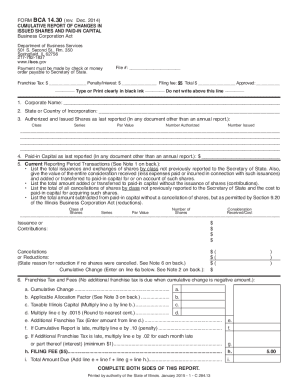
A business amendment form is a crucial document used by businesses to notify government authorities of changes in their corporate structure, business activities, or registration details. This form is typically required when there is a modification to the business name, address, ownership, or operational structure. The intent is to ensure that all business records maintained by governmental agencies are accurate and up-to-date, which is essential for compliance and legal recognition.
Key Functions of the Business Amendment Form
- Business Name Changes: When companies rebrand or change their legal names.
- Address Updates: Taken when a business relocates its headquarters or other official addresses.
- Ownership Structure Modifications: Used when ownership percentages are adjusted or new partners are added.
- Activity Scope Updates: Filed when there is a significant shift in the nature of business operations or services offered.
Importance in Business Compliance
These forms maintain transparency and accountability between businesses and regulatory bodies, ensuring all changes are officially documented.
Steps to Complete the Business Amendment Form
Completing a business amendment form requires attention to detail and careful adherence to guidelines. Here’s a step-by-step guide on how to accurately fill out this form:
- Gather Required Information: Collect current business details and the specifics of amendments needed (e.g., new address, changed ownership percentage).
- Access the Correct Form Version: Ensure that you have the latest version of the form applicable to your jurisdiction and business type.
- Fill Out Basic Business Information: Input existing business details such as the name, ID number, and contact information.
- Specify Amendments: Clearly outline all changes you are making. This can include but is not limited to new directors, updated financial information, or modified corporate bylaws.
- Attach Supporting Documentation: Include any necessary attachments like resolutions, minutes of meetings, or legal agreements.
- Review and Submit the Form: Double-check all entered information before submission to avoid errors. Some jurisdictions allow online submissions, while others might require physical mail delivery.
Why Businesses Should Use the Business Amendment Form
There are multiple compelling reasons for businesses to utilize a business amendment form:
- Compliance: Adherence to legal obligations and avoidance of penalties.
- Updated Records: Ensures government databases reflect the most current business information.
- Operational Integrity: Facilitates a trustworthy relationship between businesses, customers, and government entities.
- Avoidance of Legal Issues: Reduces risk of disputes over outdated or incorrect data in legal matters.
Legal Use of the Business Amendment Form
Completion and submission of the business amendment form are governed by specific legal frameworks that differ by state and business type. Legal use of the form includes formal filings when there's any significant change in business affairs.
Compliance with State Regulations
- Businesses must adhere to the statutes that define necessary amendments and timelines for filing these changes.
- Non-compliance can result in fines or revocation of business licenses.
Examples of Legal Requirements
- LLCs or Corporations: May need approval from their Boards or Members before filing.
- Partnerships: Often require unanimous partner consent for structural modifications.
Examples of Using the Business Amendment Form
Consider the following scenarios where the business amendment form is applicable:
- A tech startup decides to expand its focus from software-only products to include hardware solutions, necessitating a change in the registered description of services.
- A restaurant chain changes its name to better reflect market trends and attracts a broader customer base.
- A manufacturing company relocates its primary place of business from New York to Texas for advantageous tax reasons.
State-Specific Rules for the Business Amendment Form
Each U.S. state has its own rules regarding the filing of business amendments, including various forms, fees, and submission requirements. Understanding these differences is crucial for proper compliance.
Examples of State Variations
- California: Requires a specific Statement of Information form for amendments.
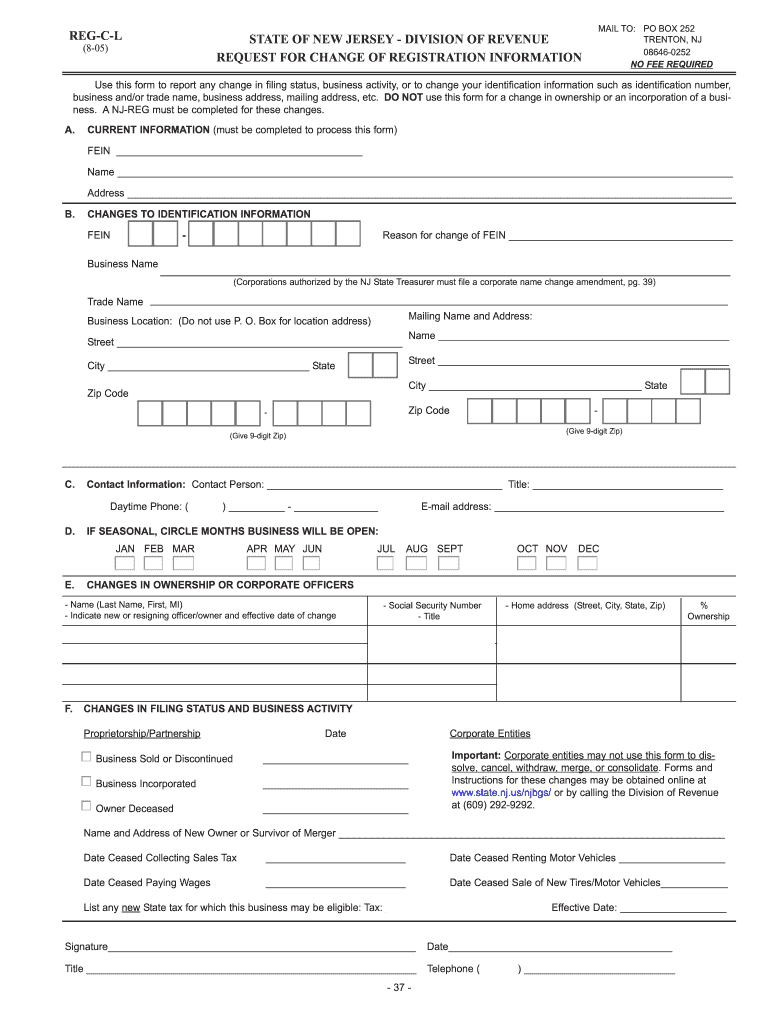
- New Jersey: May necessitate Form REG-C-EA for entity amendments and specific instructions about fee schedules.
- Florida: Offers online filing discounts to encourage digital submissions.
Required Documents for Filing a Business Amendment Form
Preparing the required documents ensures a smooth amendment process. Typical documents include:
- Articles of Amendment: A formal statement detailing the nature of the changes.
- Minutes from Meetings: Documented resolutions approving changes from the board or stakeholders.
- Proof of Name Change: If applicable, such as a certified copy of the resolution adopting the new name.
Form Submission Methods
There are multiple ways to submit a business amendment form, which include:
Preferred Submission Methods
- Online Submission: Often the fastest and most error-free method.
- Mailing: For jurisdictions requiring paper forms.
- In-Person: When immediate processing of amendments is required.
Advantages of Digital Submission
- Provides instant confirmation.
- Reduces processing times.
- Minimizes paperwork and streamlines the amendment process.
By understanding the various aspects and requirements of the business amendment form, businesses can effectively manage their operational changes while maintaining compliance with state regulations and ensuring the accuracy of their legal and informational records.