
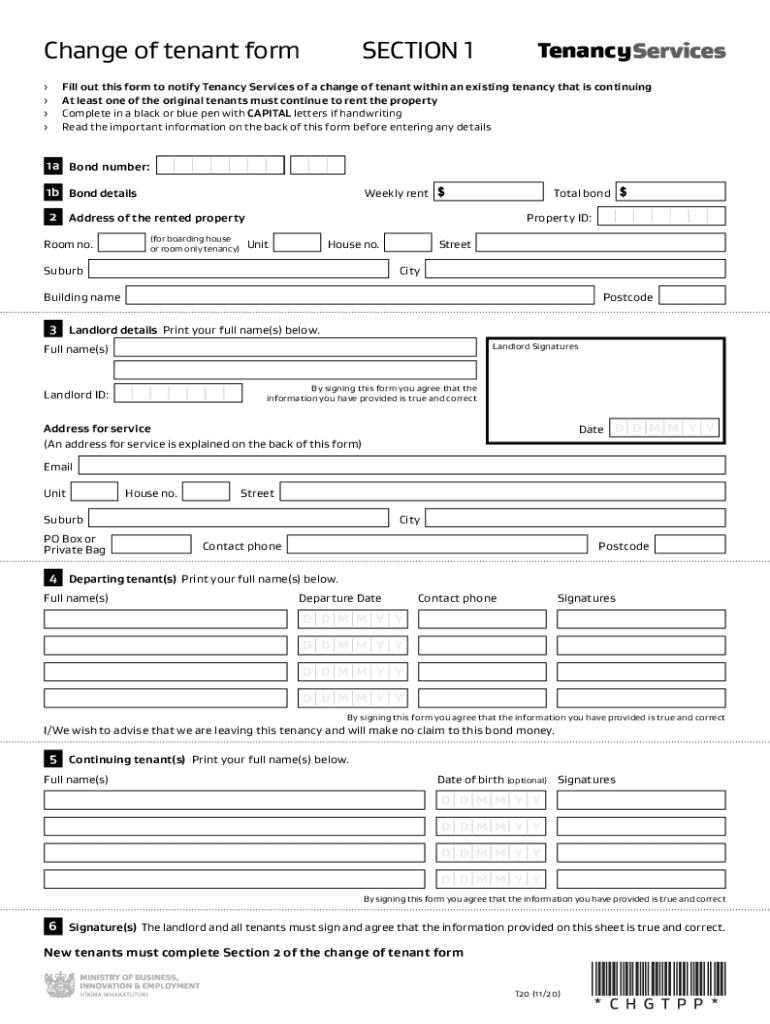







Definition of "At least one of the original tenants must continue to rent the property"
This clause often appears in forms related to tenancy agreements, stipulating that when tenants change within an ongoing lease, at least one tenant from the original agreement must remain. It ensures the continuity of the lease agreement under similar terms, protecting both the landlord's and tenant's interests. This clause typically comes into play in rental properties where multiple tenants are involved, and changes in tenancy do not equate to a new lease.
Importance of the Clause
- Continuity in Lease Agreements: The clause prevents the need to draft a new lease each time a tenant changes, thus maintaining the original terms.
- Security and Stability: For the landlord, having an original tenant continue offers stability and reassurance, as they have a history of interaction with that tenant.
- Simplified Transition: For remaining tenants, this clause facilitates an easier transition when roommates change, as it minimizes disputes over lease changes or terms.
Steps to Complete the Form
Completing the "Change of Tenant" form involves several crucial steps to ensure all necessary details are accurately captured:
-
Identify the Form Type: Ensure that the form you are using is designated for notifying tenancy services of changes while adhering to the clause "at least one of the original tenants must continue to rent the property."
-
Fill in Landlord Details: Complete the landlord information section with accurate contact details and property information.
-
Include Tenant Information:
- Departing Tenant(s): List the tenants who will be leaving, confirming their consent and understanding of their removal from the lease.
- Continuing and New Tenant(s): Specify the tenant who will remain and any new tenants joining, including their full contact details and signatures.
-
Update Bond Details: If applicable, adjust bond records to reflect the changes in tenancy.
-
Signatures and Consent: Ensure all parties (tenants leaving, continuing, and joining) provide signatures to confirm their consent to the change.
-
Submission and Confirmation: Follow the form’s instructions for submission, ensuring you retain a copy for personal records.
Legal Implications of the Clause
The legal foundation of this clause revolves around maintaining the integrity and continuity of a lease while accommodating changes in residency. The terms of this clause and its implications include:
- Lease Continuity: The primary legal benefit is that the original lease terms are upheld. New agreements are unnecessary, thus saving administrative workload and costs.
- Protection for Landlords: Ensures that the property remains under experienced tenancy management. A known tenant mitigates risks as they are likely familiar with property rules and expectations.
- Tenant Security: Remaining tenants under this clause continue to enjoy their rights and obligations under the initial lease, avoiding unanticipated rental increases or changed terms.
Key Elements of the "Change of Tenant" Form
Certain elements are vital for the completion and validity of this form:
- Landlord Details and Consent: Ensures the landlord agrees to the change and records their approval.
- Tenant Information: Comprehensive details for each departing, continuing, and new tenant involved.
- Signatures: All involved parties must sign the form to verify consent and understanding.
- Bond Adjustments: Any changes to the security bond should be reflected and agreed upon by all parties.
- Privacy Statements: Information on how personal data is handled and protected according to U.S. laws must be included.
Who Typically Uses This Form
This form is primarily used by various parties in the leasing process:
- Landlords and Property Managers: To manage and document changes in tenancy without initiating a new lease.
- Tenants: Specifically, those in shared housing situations where new roommates might replace others.
- Rental Agencies: For administrative purposes, ensuring that all records are kept in compliance with legal obligations.
Examples of Using the Clause
Consider the following scenarios to illustrate practical use of the clause:
- Shared Apartments: In a situation where four friends rent an apartment, and one decides to move out, a new tenant can take over the departing tenant's spot while one of the original tenants continues to secure the lease.
- Family Renting: If a family leases a property and a grown child moves out, one or more family members might remain as original tenants, continuing the agreement under current terms.
State-Specific Rules
While this clause is common, its application might vary by state:
- Local Laws and Variations: Different states might have unique stipulations regarding lease continuity and rental agreements. For instance, states like California or New York might have additional tenant protections or obligations.
- State Tenancy Boards: Often provide guidelines or amendments specific to these tenancy clauses, ensuring all parties comply with local regulations.
Important Terms & Definitions
Understanding the terms frequently associated with this form is crucial:
- Lease Continuation: The ongoing effect of a lease, maintaining its original terms.
- Tenant Adjustment: Refers to new, departing, continuing tenants within an existing lease framework.
- Bond Transfer: The reallocation or adjustment of security deposits amidst changing tenants.
These in-depth sections provide comprehensive insights into understanding and utilizing the "Change of Tenant" form effectively, aligning with the requirement of "at least one of the original tenants must continue to rent the property."




