






Definition and Meaning of the Employment Visa Application
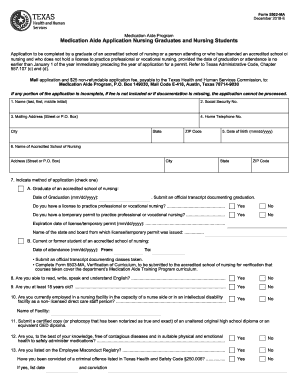
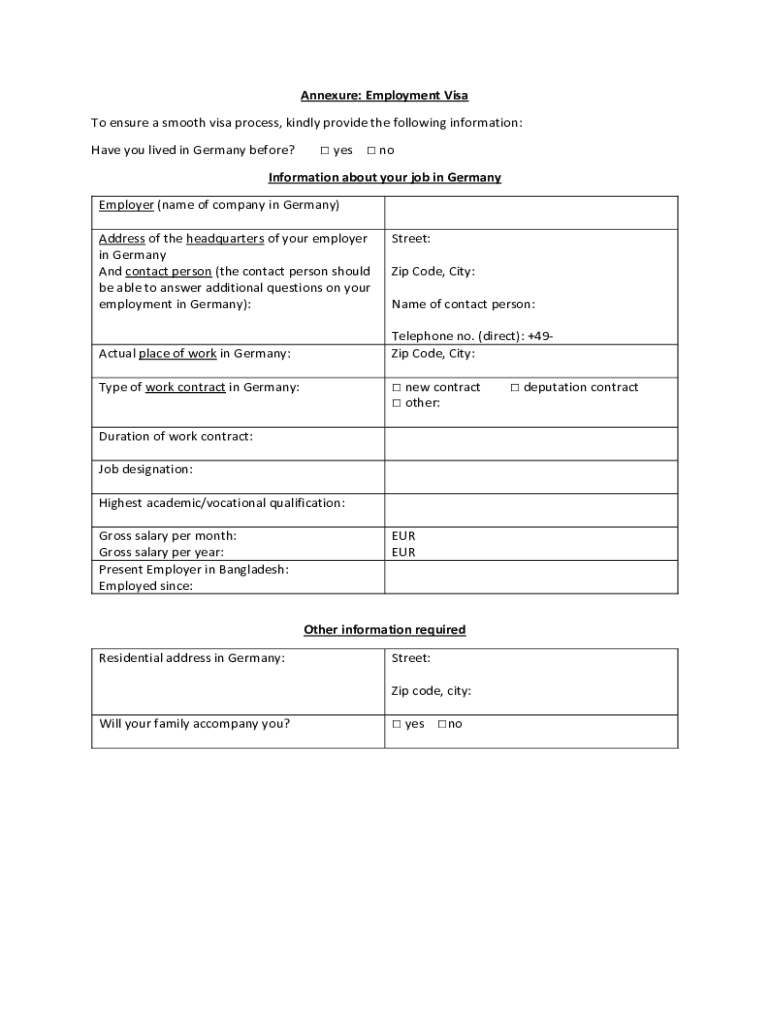
The Employment Visa Application is a critical document required by foreign nationals seeking to work legally in the United States. This form collects detailed information about the applicant’s professional background, previous employment, and qualifications relevant to the position offered by the U.S. employer. The primary objective of the Employment Visa Application is to ensure that the applicant meets the necessary criteria for the visa class for which they are applying, often involving an assessment of skills, education, and connection to the proposed employment. The type of employment visa applied for can vary, including options such as the H-1B for specialty occupations, the L-1 for intra-company transferees, and others. Each type has specific eligibility requirements, which the application helps to highlight and verify.
How to Obtain the Employment Visa Application
Obtaining the Employment Visa Application typically involves accessing it through the United States Citizenship and Immigration Services (USCIS) website or a designated U.S. embassy or consulate. For most visa categories, the application process begins online, where applicants fill out the required forms and pay relevant processing fees. It's crucial to acquire the correct form corresponding to the specific visa type being applied for. Additionally, some visa categories require applications to be initiated by the prospective employer in the U.S., who must sponsor the applicant to work legally in the country. In such cases, the employer will often need to file a petition with USCIS before the applicant can proceed with their visa application.
Steps to Complete the Employment Visa Application
- Review Visa Requirements: Before starting, ensure understanding of the specific visa requirements and eligibility criteria for the intended visa category.
- Complete the Online Application: Access the USCIS website or other relevant portals to fill in the electronic application forms. Carefully enter personal and professional details, ensuring accuracy to avoid processing delays.
- Pay Required Fees: Submit any applicable processing fees. The amount can vary based on the visa type and additional services or expedited processing desired.
- Gather Supporting Documentation: Collect all necessary documents, such as educational certificates, employment letters, and proof of residence. Ensure that each document aligns with the visa requirements.
- Schedule an Interview: For most employment visas, an interview at a U.S. embassy or consulate is required. Use the scheduling tool provided online and prepare by reviewing potential interview questions.
- Attend Fingerprinting and Biometrics Appointment: Complete biometric screenings as part of the identity verification and security check process.
- Submit the Application: Once all steps are completed, submit the application and keep records of any submission confirmation numbers for tracking purposes.
Important Terms Related to the Employment Visa Application
- Sponsorship: A critical element often required, where a U.S. employer must sponsor or endorse the applicant's visa petition, proving the need and justification for hiring a foreign worker.
- Labor Condition Application (LCA): For certain visas like the H-1B, an LCA must be approved by the U.S. Department of Labor, confirming that the employment of a foreign national will not adversely affect the wages and working conditions of U.S. workers.
- USCIS: U.S. Citizenship and Immigration Services, the government body responsible for processing visa applications and administering immigration benefits.
Required Documents for the Employment Visa Application
To ensure the application is processed smoothly, applicants must provide a comprehensive set of documents:
- Valid Passport: A passport that is valid for at least six months beyond the intended period of stay in the U.S.
- Form DS-160 Confirmation Page: For most non-immigrant visas, applicants must complete the DS-160 form and have a confirmation page.
- Photo: Recent passport-sized photograph that meets official criteria.
- Employment Offer Letter: A document from the U.S. employer outlining the job offer, duties, salary, and duration of employment.
- Proof of Qualifications: Diplomas, certificates, and other documentation verifying the applicant's educational background and qualifications for the position.
- Resume or Curriculum Vitae: Detailed professional history highlighting relevant experience and skills.
Legal Use of the Employment Visa Application
Legally, the Employment Visa Application serves as a means to document eligibility and intent to engage in lawful employment within the United States. Approval of the application is contingent upon the applicant and employer satisfying all regulatory and procedural requirements as outlined by the USCIS and the Department of Labor. Misrepresentation or failure to provide accurate information can lead to visa denial, legal penalties, and potential bans on future entry into the U.S. For employers, sponsoring an employment visa includes ensuring compliance with wage and working condition standards to protect both U.S. and foreign workers.
Form Submission Methods: Online, Mail, and In-Person
Online Submission
Many visa applications allow electronic submission through the USCIS portal or other designated platforms. This method offers convenience and often a faster processing time by eliminating postal delays.
Mail Submission
In some cases, visa application documents must be mailed directly to USCIS or relevant authorities. This includes sending hard copies of forms, checks for fee payments, and supporting documents that are not suitable for uploading online.
In-Person Submission
Particularly for final stages or interviews, applicants might need to present in-person at U.S. embassies or consulates. This step is crucial for biometrics, verification of original documents, and personal interviews.
Digital vs. Paper Version of the Employment Visa Application
In the modern age, completing the Employment Visa Application digitally has become the preferred method due to its speed and efficiency. Online applications allow for streamlined processing and easy correction of errors. However, certain documents and original materials must still be submitted on paper, often as evidence or during interviews. For applicants without reliable internet access, paper applications remain viable through consular services, ensuring that all potential applicants can access the system.