




01. Edit your form online
Type text, add images, blackout confidential details, add comments, highlights and more.

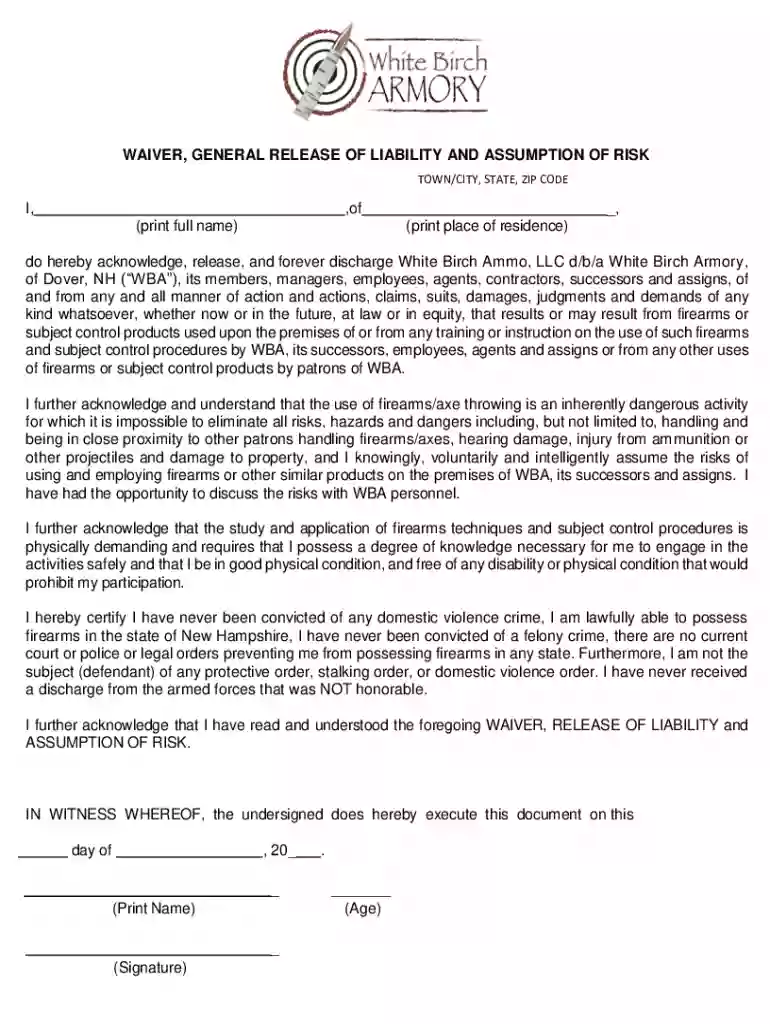
Type text, add images, blackout confidential details, add comments, highlights and more.

Draw your signature, type it, upload its image, or use your mobile device as a signature pad.

Send it via email, link, or fax. You can also download it, export it or print it out.
The "Free Release of Liability (Waiver) Forms (14) - PDF - eForms" are legal documents used to release one party from legal claims made by another party. These forms are essential in scenarios where activities involve inherent risks, such as sports, recreational activities, and certain employment situations. The primary function is to document an individual's agreement to waive potential claims against a party, thereby acknowledging the inherent risks involved in the activity being undertaken.
Identify Relevant Parties: Begin by clearly identifying the parties involved. This typically includes the individual waiving their rights and the party being released from liability. Each party's full legal name, contact information, and any related role or relationship should be precisely recorded.
Detail the Activity or Event: Clearly describe the activity or event associated with the waiver. It is crucial to include specifics, such as dates, locations, and any notable conditions or requirements. This specificity helps prevent potential misunderstandings or disputes about what was covered under the waiver.
Acknowledge the Risks: The next step involves detailing the risks associated with the activity. This acknowledgment is where the participant agrees to accept these risks. It should include a comprehensive list of potential hazards, ensuring the participant is fully informed.
Include Legal Clauses: Insert necessary legal clauses that ensure the waiver is enforceable. This might involve sections on indemnification, covenant not to sue, and complete release from liability for all present and future claims related to the event.
Execute the Document: Obtain signatures from all parties involved. Ensure the signing process is compliant with legal standards, possibly including witnesses or notarization if required by local law.
Store and Disseminate Copies: Distribute executed copies to all parties and keep the original document securely stored. This ensures that all parties have access to the document for future reference.
The legal use of these forms varies by jurisdiction, but generally, they serve to protect businesses and individuals from lawsuits related to willing and knowledgeable participation in risky activities. Courts typically uphold these documents as long as they are well-drafted, clearly understood, and based on legitimate acknowledgment of risk and consent by the participant. It is critical that they are used transparently to avoid claims of fraud or misrepresentation.
These forms are commonly used by organizations and businesses such as:


Obtaining these forms can be straightforward. They are often available from legal document service providers such as eForms. Users typically download the desired template in PDF format, which can then be customized to suit specific needs and situations. Some platforms may also offer guidance or expert review to ensure compliance with local legal standards.
State laws can significantly impact the enforceability of liability waivers. For example:
Understanding these state-specific rules can be crucial in ensuring the waiver’s legal robustness and effectiveness.
Sports Events: A marathon organizer uses the form to release them from claims if a participant sustains injuries during the event.
Recreational Activities: A rock climbing center might require participants to complete a waiver acknowledging the inherent risk of the activity.
Volunteering Events: Non-profit organizations can use these forms to protect themselves from liability if a volunteer gets injured while participating in community work.
Each example highlights the diverse applications, reinforcing the form’s versatility across different scenarios.
At DocHub, your data security is our priority. We follow HIPAA, SOC2, GDPR, and other standards, so you can work on your documents with confidence.
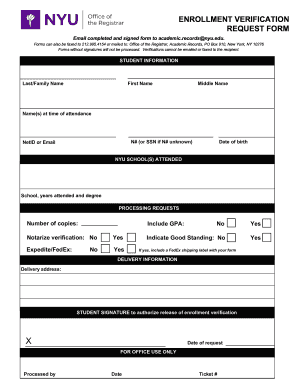
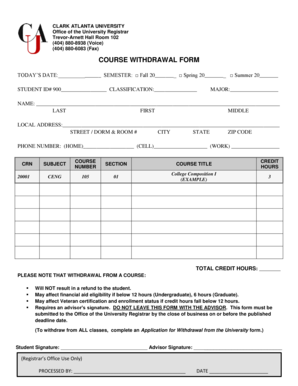
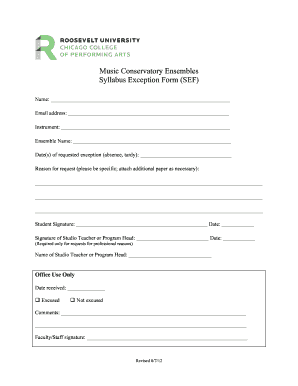



Release of Liability for Student Independent Transportation/Code of Conduct Waiver of Liability and Hold Harmless Agreement, PDF. 125-345, Dual Enrollment
Forms are official Department documents. Below is a list of available forms. To search this list for a specific form, use CTRL and F on your keyboard and type
The Environment Agency will waive its normal copyright restrictions, and allow this document. (or other item), excluding the logo to be reproduced free of


