Definition & Meaning
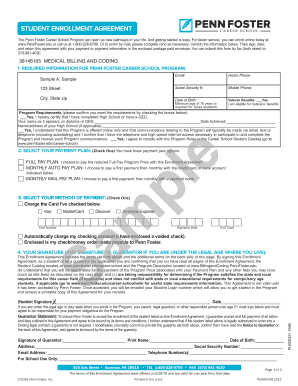
"This Agreement is entered into as of this 11+4-, dayofNoVe - files consumerfinance" seems to depict a contractual agreement document, potentially related to financial services or consumer finance agreements. Such documents typically formalize business relationships, outlining expectations, rights, responsibilities, and legal implications. These contracts may address the provision of financial services, consumer protection measures, or terms between businesses and customers.
A key characteristic of these agreements is their binding nature, meaning both parties must abide by the terms unless mutually altered. Often, they encompass various clauses, such as confidentiality agreements, termination conditions, and dispute resolution processes, ensuring an understanding of procedures and consequences.
Key Elements of the Agreement
Understanding the core constituents of similar agreements involves recognizing typical sections and their purposes:
- Introduction and Parties: Identifies the contracting entities, such as a financial institution and a consumer.
- Definitions: Clarifies specific terminology used within the document.
- Obligations and Responsibilities: Outlines duties and actions required by each party.
- Financial Terms: Details payment schedules, interest rates, and fees.
- Confidentiality Clauses: Protects sensitive information.
- Dispute Resolution: Mechanisms for resolving disagreements should they arise.
- Termination Conditions: Situations where the agreement can be dissolved.
These elements ensure both parties clearly understand their rights and duties, providing a comprehensive framework for the agreement's execution.
How to Use the Agreement
For effective utilization of such agreements, it’s crucial to:
- Read the Document Thoroughly: Ensure all terms and conditions are clear and understood.
- Negotiate Terms if Appropriate: Before signing, negotiate any terms that may be unfavorable.
- Consult Legal Counsel: For complex agreements, legal advice can ensure compliance and protect interests.
- Maintain Copies: Both parties should hold copies for future reference.
- Regular Review: Periodically review the terms to ensure ongoing compliance and relevance.
The above steps help in mitigating future disputes by ensuring every stipulation is clear and agreed upon from the onset.
Steps to Complete the Agreement
Completing an agreement in this context often involves several methodical steps:
- Gather Necessary Information: Collect all pertinent information, personal details, and financial data required by the document.
- Fill Form Fields Precisely: Ensure accuracy when inputting information into designated fields.
- Review All Sections: Carefully check for completeness and correctness before submission.
- Sign the Document: Complete the signing process, often including digital signature options for convenience.
- Submit: Follow specified submission methods, whether digital or postal.
By adhering to these steps, individuals ensure the document is completed correctly, reducing errors or omissions.
Who Typically Uses the Agreement
The typical users of such agreements might include:
- Financial Institutions: Offering loans, credit services, or financial products.
- Consumer Clients: Engaging in services requiring financial agreements.
- Legal and Advisory Professionals: Professionals guiding clients through contract processes.
- Business Entities: Companies entering service agreements or partnerships.
Understanding the end-users aids in appreciating the agreement's application across different sectors.


Legal Use of the Agreement
Legal applicability within these documents ensures that the agreement abides by pertinent laws and regulations. Key aspects include:
- Compliance with Federal Laws: Aligning with acts governing consumer finance and data protection.
- State Regulations: Abiding by state-specific laws affecting contracts and financial services.
- Enforceability: Ensuring all terms produce legally valid commitments enforceable by courts.
Contracts formed under these guidelines offer legally binding assurances to involved parties, thus safeguarding their interests.
State-Specific Rules for the Agreement
State laws differ widely, impacting agreements in terms of:
- Contractual Obligations: State-specific consumer protection laws may establish variable obligations for the parties involved.
- Interests and Fees: Local laws may limit interest rates or impose fee structures.
- Digital Signatures: Legality and acceptance of digital versus handwritten signatures vary by state.
Understanding these regional distinctions is crucial for ensuring the agreement's validity and adherence to legal norms.
Software Compatibility
In today's digital age, compatibility with software tools, such as DocHub, enhances the agreement's usability:
- Editing and Signing Tools: Seamless integration with platforms like TurboTax or QuickBooks for document management and financial computations.
- Cloud Storage: Synchronization with services like Google Drive or Dropbox for enhanced access and collaborative editing.
- Electronic Signatures: Utilization of digital platforms for collecting and storing legally binding signatures.
Software compatibility streamlines the document handling process, ensuring efficiency and accuracy in execution.