






Definition and Meaning
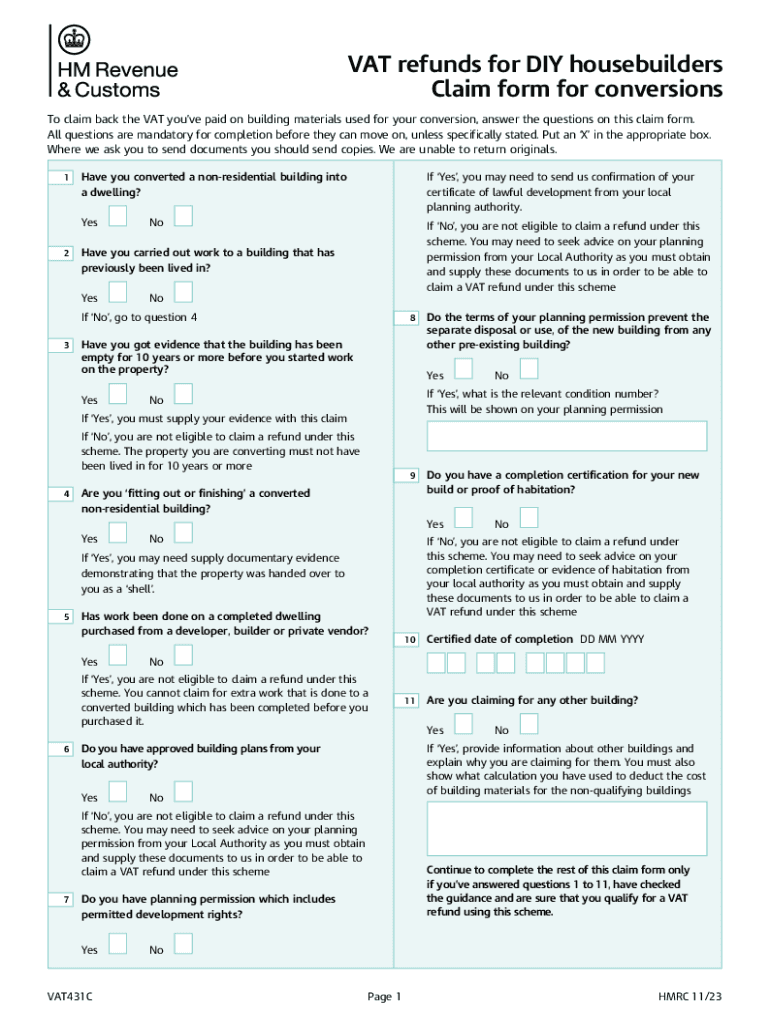
VAT guidance and online claim forms for builders of DIY housebuilders are tools that aid individuals in seeking tax refunds on building materials used in converting non-residential buildings into residential dwellings. This guidance not only provides clarity on what constitutes eligible expenses and activities but also simplifies the refund process through an online interface. Builders who engage in the creation or conversion of residential properties can benefit from understanding the ins and outs of these forms to ensure compliance and optimize potential refunds.
Eligibility Criteria
Understanding eligibility is crucial for submitting a successful VAT refund claim. Applicants must be involved in building or converting non-residential properties into new homes. The final property must be residential, which excludes mixed-use buildings or commercial properties. The law requires that the completed dwelling should not be for commercial sale or rental but must indeed be intended for personal use. Eligibility also extends to unused, new, or converted buildings for properties that have not previously been occupied. The claim can include VAT paid on materials, not services, and substantial documentation is required to support claims, including invoices and contracts.


Required Documents
Accurate and comprehensive documentation is key to successfully completing this form. Primary documentation includes invoices showing VAT charges on building materials and contracts indicating the nature and purpose of the development work undertaken. This documentation is critical in verifying the expenses and ensuring compliance with relevant tax regulations. Additionally, detailed descriptions of the property, including plans, permissions, and certifications, must be included to substantiate the residential nature of the conversion. Incomplete or inaccurate documentation can delay the processing of a claim and may lead to its rejection.
Important Terms Related to VAT Guidance
Several terms are pertinent when working with VAT claims for DIY builders. "Building Materials" refers to tangible goods used in construction or conversion that are eligible for VAT refunds. "Self-Build" denotes the process whereby individuals personally oversee the building or conversion of a property, potentially using it as a primary residence upon completion. "Non-Residential Conversion" involves changing a structure previously used for commercial or other non-residential purposes into a home. These terms form the foundation of understanding the criteria and the terms of VAT refunds.
Steps to Complete the Form
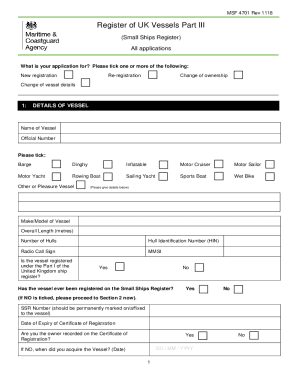
- Obtain the Form: Download the form from the official tax authority’s website.
- Prepare Documentation: Gather all necessary documents, including invoices and detailed property descriptions.
- Complete the Form: Ensure all personal information and property details are accurately filled.
- Itemize Expenses: List all VAT-paid materials, including costs and suppliers.
- Check Eligibility: Reconfirm that all conditions are met prior to submission.
- Submit the Form: Send the completed form and documents via the preferred submission method, usually online for convenience.
Form Submission Methods
Submitting the form is typically more efficient through online platforms provided by tax authorities, offering streamlined processing and instant confirmation of receipt. Alternatively, traditional methods like mail are available but may involve longer processing times. When submitting online, users benefit from saving templates and having access to direct customer support. Regardless of the submission method chosen, retaining copies of all submitted documents for personal records is advisable.
Legal Use
Builders engaged in self-build projects should leverage these forms legally to reclaim VAT incurred during the construction or conversion process. By adhering to the guidelines set out in the VAT guidance documentation, builders ensure compliance with tax regulations, thus avoiding penalties or fines. Legal considerations also involve ensuring that all information provided on the claim form is accurate and truthful, as providing misleading information can have serious legal repercussions.
Penalties for Non-Compliance
Failure to comply with VAT guidance regulations may lead to penalties such as fines, interest charges on overdue tax, and disqualification from future claims. Penalties can also be imposed for submitting fraudulent claims or misrepresenting building materials or intended property usage. It is paramount for claimants to ensure that all claims are lodged by official deadlines and all submissions are thoroughly reviewed for accuracy to prevent non-compliance issues.
Software Compatibility
While the claim forms themselves may not be directly compatible with common tax software like TurboTax or QuickBooks, many software solutions can assist with accounting and invoicing, which are critical when preparing for VAT refund claims. Building a comprehensive digital record of transactions using such software can streamline documentation processes and ensure that all necessary invoices and payment records are easily accessible when preparing the VAT claim.
Examples of Using the Form
A builder converting an old factory into a private residential loft may use these forms to reclaim VAT paid on materials like bricks, insulation, and windows. By maintaining accurate records and following the VAT guidance, the builder can substantially lower the overall cost of conversion. Similarly, a person turning a barn into a new home would use the forms to navigate the complexities of VAT laws and optimize financial investments into their living spaces. These examples demonstrate the utility and potential financial benefits these forms offer to DIY builders involved in property conversion projects.