



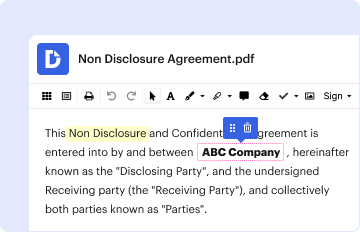
01. Edit your social work learning contract examples online
Type text, add images, blackout confidential details, add comments, highlights and more.

Type text, add images, blackout confidential details, add comments, highlights and more.
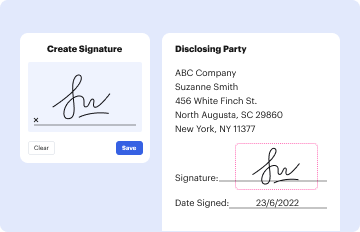
Draw your signature, type it, upload its image, or use your mobile device as a signature pad.
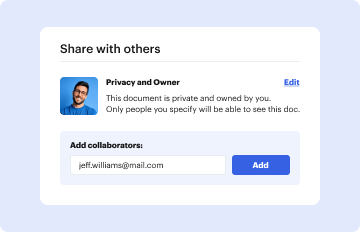
Send msw learning contract examples via email, link, or fax. You can also download it, export it or print it out.
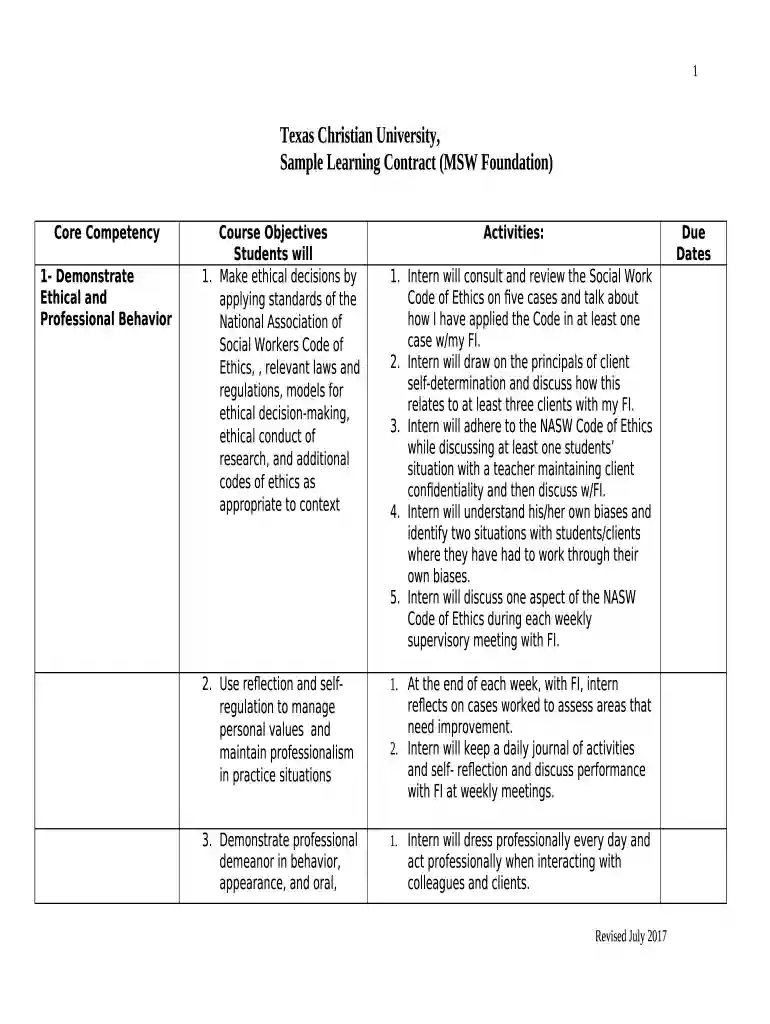
A Sample Learning Contract for Master of Social Work (MSW) Foundation provides a structured framework that outlines the educational expectations and responsibilities of MSW students during their clinical training. This contract serves not only as a formal agreement between the student and their supervising agency or institution but also integrates practical experiences with academic learning. The contract is essential in ensuring that both theoretical knowledge and practical competencies are systematically addressed.
The learning contract typically includes the following components:
Objectives: Clearly defined goals that students are expected to achieve during their internship or fieldwork. These objectives are aligned with core competencies in social work, such as ethical behavior, client engagement, cultural competence, and social justice advocacy.
Activities: Specific tasks and responsibilities that students will undertake to fulfill the objectives. These may involve direct client interactions, participation in case conferences, or community outreach programs.
Evaluation Criteria: Detailed methods through which the student's performance and progress will be assessed. This can include feedback mechanisms, reflective journals, and formal evaluations by supervisors.
Utilizing the Sample Learning Contract for MSW Foundation involves several key steps that ensure its effectiveness in guiding students through their educational journey. The contract should be personalized based on individual learning goals and the specifics of the placement environment.
Review the Contract: Students should begin by thoroughly reviewing the sample contract template to understand its components, such as objectives, activities, and evaluation methods.
Customize the Content: Adjust the objectives and activities to reflect personal learning goals and the unique context of the internship. It may include working with specific populations or learning certain theoretical perspectives.
Set Up a Meeting with Supervisors: After customizing the contract, schedule a meeting with the supervising faculty or agency supervisor to discuss and finalize the contract terms.
Sign and Date the Contract: Ensure that all parties involved, including the student, supervisor, and possibly a faculty advisor, sign and date the contract. This formalizes the agreement and clarifies expectations.
Regular Monitoring and Reflection: Throughout the internship, regularly refer back to the learning contract to monitor progress against defined objectives. Reflection on experiences is vital for assessing growth and developing professional skills.
The Sample Learning Contract for MSW Foundation comprises several pivotal elements that define its structure and purpose. Each section is critical for ensuring clarity and direction for students as they embark on their field experiences.
Introduction: This serves as an overview of the contract’s purpose, highlighting its role in bridging theory and practice within the social work profession.
Learning Objectives: Objectives should align with the social work curriculum and specify what competencies students aim to develop. Each objective should be measurable and attainable within the context of the internship.
Planned Activities: This section should outline the specific tasks and activities the student will engage in, reflecting their learning goals. It's essential to include diverse activities, such as assessment practices, intervention planning, and community engagement efforts.
Evaluation Standards: Clear criteria for evaluating performance help ensure accountability. Standards should be agreed upon early in the process and could include self-assessment, supervisor feedback, and peer reviews.
Timelines and Deadlines: Establish specific timelines for the completion of objectives and activities. This includes both short-term and long-term targets to track progress effectively.
Utilizing the Sample Learning Contract can significantly enhance the learning experience for MSW students by providing clear benchmarks for success. Here are practical examples of how the contract can be applied in various contexts:
Clinical Practice Setting: In a community mental health center, an MSW student might use their learning contract to set a goal of improving engagement skills through direct client interactions. This could be quantified by conducting ten client intakes and receiving feedback on engagement technique from their supervisor.
Policy Advocacy Project: A student focused on policy reform might establish objectives related to understanding legislative processes. Activities here could include attending city council meetings and writing a policy brief, with the evaluation based on written feedback from a mentor in the field.
Group Therapy Facilitation: If a student's internship involves facilitating a support group, their learning contract can include objectives related to group dynamics and conflict resolution. Planned activities may involve leading five group sessions, while evaluations could focus on participant feedback and self-reflection from the student.
Familiarity with key terms related to the Sample Learning Contract is beneficial for MSW students as they navigate their educational framework. Understanding these terms ensures students can effectively communicate objectives and expectations during their internship.
Competencies: Core skills and knowledge that social work students should develop, including assessment, intervention, and evaluation competencies.
Field Placement: The practical experience where students apply theoretical knowledge in real-world settings, working directly with clients under supervision.
Reflective Practice: A continuous process of reflection that helps students assess their learning, understand their experiences, and guide future actions.
Advisory Faculty: The academic personnel responsible for overseeing student field placements, ensuring that educational standards are met and providing support to both students and supervisors.
Supervision: Regular meetings and evaluations provided by the field supervisor aimed at guiding students’ professional development, ensuring adherence to ethical standards, and fostering a growth-oriented learning environment.
We've got more versions of the social work learning contract examples form. Select the right social work learning contract examples version from the list and start editing it straight away!
| Versions | Form popularity | Fillable & printable |
|---|---|---|
| 2017 | 4.7 Satisfied (35 Votes) |
At DocHub, your data security is our priority. We follow HIPAA, SOC2, GDPR, and other standards, so you can work on your documents with confidence.
by L Sousa-Meixell 2021 Cited by 20 Davis and Reber suggest that well-planned learning contracts offer students the necessary foundation for implementing a rights-based approach toRead more
INSTRUCTIONS: 1. The student completes the top of this document. 2. The student and the field instructor then agree on one or more agency or placementRead more
Apr 1, 2020 IMPORTANT: This guidance document was developed for use on the web. Please review the following disclaimers before.Read more


