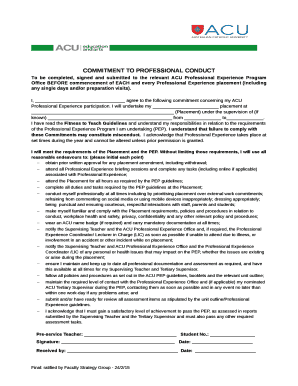
01. Edit your line clearance checklist online
Type text, add images, blackout confidential details, add comments, highlights and more.

Type text, add images, blackout confidential details, add comments, highlights and more.

Draw your signature, type it, upload its image, or use your mobile device as a signature pad.

Send line clearance checklist format via email, link, or fax. You can also download it, export it or print it out.
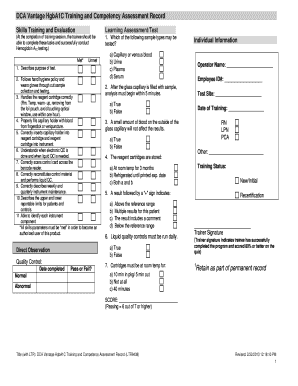
A line clearance checklist PDF is a structured document used predominantly in pharmaceutical manufacturing facilities. Its primary function is to ensure that a production line is free from any materials or documents from previous activities before commencing a new process. This is critical for maintaining the purity and integrity of pharmaceutical products. The checklist is divided into various sections tailored to specific processes such as tablet production, capsule filling, or packing. Each section guides users to record product information, assess equipment cleanliness, and requires quality assurance personnel’s approval.
Product Information Recording: This part of the checklist is where the details of the previous and upcoming products are documented. This ensures traceability and helps in identifying any anomalies related to manufacturing processes.
Equipment Cleaning Status: Inspectors need to mark whether the cleaning status of the equipment used is satisfactory or unsatisfactory. This step is crucial to prevent cross-contamination and ensure compliance with health regulations.
Quality Assurance Approval: Checklists require the consent of quality assurance personnel to verify that all steps have been satisfactorily completed before proceeding. This adds a layer of accountability and oversight, reinforcing the integrity of the production process.
Product Information: Begin by filling out the details of the current and subsequent products involved in the manufacturing process. This includes batch numbers, product codes, and any specific instructions that pertain to the production run.
Inspect Equipment: Physically inspect all equipment and areas involved in production. Use the checklist to guide this inspection, marking each item as satisfactory or unsatisfactory.
Documentation: Record any findings regarding equipment condition or cleanliness. If any item is marked unsatisfactory, take immediate corrective action and note this in the checklist.
Sign-off by Personnel: Once the inspection is completed, the checklist should be reviewed and signed by production and quality assurance personnel to verify that all clearance protocols have been followed.
File the Checklist: For record-keeping purposes, file the completed checklist according to the facility's documentation procedures. This is important for audits and process optimization.
Routine Production: Use the checklist at the start of each new production cycle to ensure a clean and safe transition between product batches.
Changeovers: When switching from one type of product to another, the checklist helps avoid cross-contamination and ensures all previous materials are cleared from the production line.
Training Tool: Team leaders can use the checklist as a training tool for new employees, illustrating the importance of thorough line clearances.
Header Information: Includes facility name, date, production line identifier, and the name of the person conducting the check.
Previous Product Details: Records details of the product last manufactured, providing necessary context for any issues discovered during the clearance.
Cleaning Materials Used: Documentation of cleaning supplies or methods used to ensure transparency and aid in troubleshooting any issues related to cleanliness.
Sign-off Area: Space for initial and date sign-offs from responsible personnel, proving that each part of the checklist was completed and verified.
Standardization: Ensure the checklist is standardized across the facility to maintain consistency in line clearance procedures.
Regular Updates: Periodically review and update the checklist to incorporate any changes in regulations or process improvements.
Audits and Feedback: Use completed checklists in regular audits and encourage feedback from users to improve the form and its usability.


Production Operators: Responsible for conducting the initial inspection and filling out relevant sections of the checklist.
Quality Assurance Personnel: They review and validate the checklist to ensure compliance with quality standards before approving further production.
Supervisors and Managers: Utilize the completed checklists to monitor the adherence to protocols and identify areas for improvement.
Contract Manufacturers: Companies producing pharmaceuticals on behalf of other brands use line clearance checklists to meet contractual agreements regarding product quality.
Regulatory Compliance Teams: Reference these checklists during audits to verify that manufacturing processes meet specified guidelines.
Training Departments: Implement checklists as part of onboarding processes to educate new hires on compliance and safety practices.
Cross-Contamination: The unintended transfer of a substance or material from one product or batch to another, which can occur without detailed line clearances.
Batch Record: A comprehensive record that traces each step of the manufacturing process, with completed line clearances often acting as a component of these records.
Satisfactory/Unsatisfactory Marking: Descriptions used to denote the state of cleanliness or readiness of equipment and production areas post-inspection.
Audit Trail: Maintaining a line clearance checklist as part of an audit trail helps demonstrate compliance with Good Manufacturing Practices (GMP).
Quality Control: Integral to quality control processes, ensuring consistent quality output and consumer safety across production cycles.
Standard Operating Procedures (SOPs): Line clearance checklists often form a critical part of SOPs within pharmaceutical production, ensuring repeatability and safety.
Good Manufacturing Practices (GMP): The checklist supports adherence to GMP, which governs the manufacturing, testing, and quality assurance of pharmaceutical products.
FDA Regulations: In the U.S., the Food and Drug Administration (FDA) outlines stringent requirements for manufacturing processes where line clearance checklists play a crucial role in compliance.
Non-Compliance Penalties: Failing to complete or properly maintain line clearance checklists can result in fines, production halts, or damage to brand reputation.
Document Retention Requirements: Regulations often mandate that these checklists be stored for a specific period to ensure traceability and accountability.
Accuracy and Truthfulness: It's essential that all entries on the checklist be accurate and truthful, as falsification can lead to legal liabilities and regulatory actions.
Case Study: Tablet Production: In a tablet production facility, using a line clearance checklist before starting each new batch reduced product contamination incidents by 25% in one quarter.
Real-World Scenario: During an FDA audit, a pharmaceutical company was able to demonstrate their thorough line clearance processes, thereby passing the inspection with no major findings.
Training Scenario: New employees are trained to complete line clearance checklists as part of their initial onboarding, ensuring they gain hands-on experience with these critical procedures.
At DocHub, your data security is our priority. We follow HIPAA, SOC2, GDPR, and other standards, so you can work on your documents with confidence.