Definition and Meaning
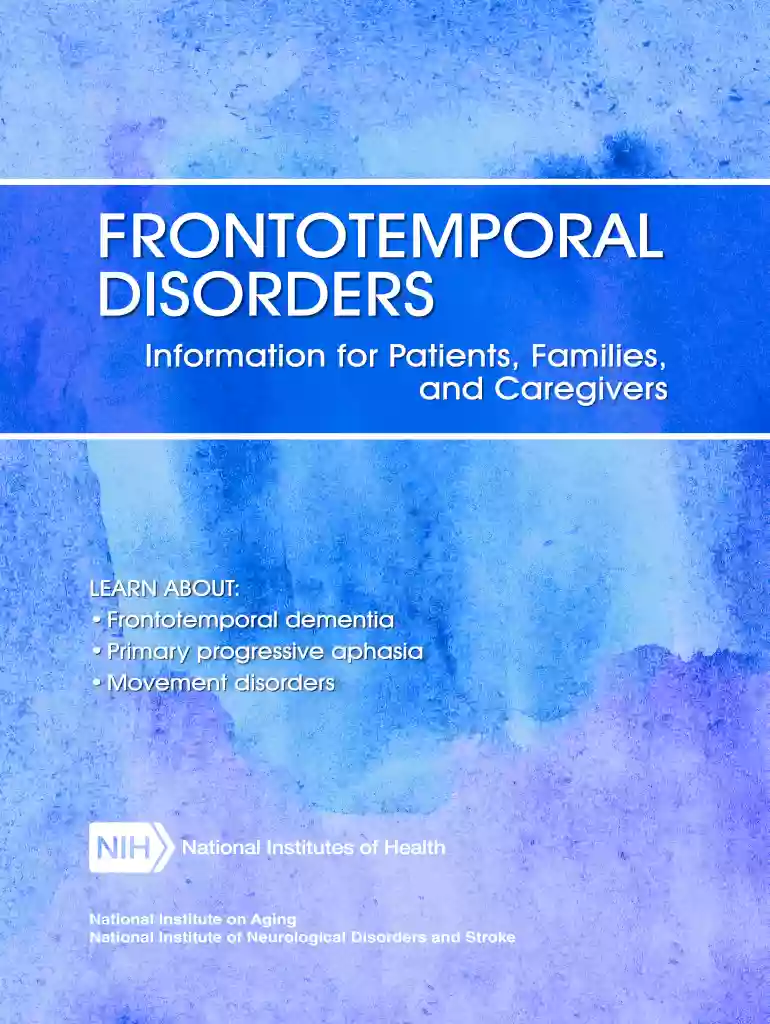
Frontotemporal disorders are neurodegenerative conditions affecting the frontal and temporal lobes of the brain. These disorders encompass a spectrum of conditions, including frontotemporal dementia, primary progressive aphasia, and movement disorders like corticobasal syndrome. They are characterized by changes in personality, behavior, language, and motor abilities due to the progressive degeneration of brain neurons. Understanding these disorders is crucial for early detection and management.
Distinguishing Features
- Frontotemporal Dementia (FTD): Involves significant behavioral changes, lack of empathy, apathy, and obsessive behaviors.
- Primary Progressive Aphasia (PPA): Focuses on language deterioration, with difficulty in speaking, understanding, reading, or writing.
- Movement Disorders: Includes atypical parkinsonism symptoms, difficulty in coordination, and involuntary movements.
How to Use the Frontotemporal Disorders Information for Patients, Families, and Caregivers
This document serves as a comprehensive guide for understanding and managing frontotemporal disorders. It is designed to educate patients, families, and caregivers about the nature of these conditions, helping them recognize symptoms and seek appropriate medical advice.
Utilization Tips
- Education and Awareness: Use the information to learn about symptoms and seek timely medical consultations.
- Support and Resources: Identify available resources and support systems for patient care and mental health assistance.
- Caregiving Strategies: Develop effective caregiving plans by understanding the behavioral and physical changes in patients.
Important Terms Related to Frontotemporal Disorders
Key Medical Terms
- Neurodegeneration: The progressive loss of structure or function of neurons, including their death.
- Aphasia: A language disorder affecting communication skills.
- Corticobasal Degeneration: A rare neurological disease causing movement and language difficulties.
Common Care Terms
- Caregiver Burden: The emotional, physical, and financial stress experienced by those who care for individuals with chronic illnesses.
- Behavioral Interventions: Strategies aimed at modifying disruptive behavior in patients.
Steps to Complete the Form
The Frontotemporal Disorders Information form must be filled out accurately to provide a clear understanding of the patient's condition for medical professionals.
- Patient Information: Provide detailed information on the patient's demographics and medical history.
- Symptom Documentation: List observed symptoms, including behavioral changes and language impairments.
- Diagnosis Details: Include any medical diagnoses, imaging results, and neuropsychological assessments.
- Care Requirements: Outline the level of care needed, assistance required, and any prescribed medications.
- Emergency Contacts: Provide contact information for family members or caregivers responsible for decision-making.
Essential Components
- Patient History: Comprehensive background including previous medical conditions and treatments.
- Symptom Timeline: Detailed progression of symptoms to assist in diagnosis and treatment planning.
- Current Treatments: Document all current medications and therapy regimens.
Supporting Information
- Family Medical History: Include any relevant hereditary information that may impact the patient's condition.
- Lifestyle and Habits: Evaluate aspects such as diet, exercise, and social interactions.
Legal Use of Frontotemporal Disorders Information
This document should be used in compliance with privacy laws, ensuring patient confidentiality is maintained. It can be shared with medical professionals for treatment planning but must not be disclosed without patient or legal guardian consent.
Privacy Considerations
- HIPAA Compliance: Ensure all data handling complies with HIPAA regulations protecting patient information.
- Consent Forms: Obtain necessary patient authorizations for sharing medical information.
Examples of Using the Information
Case Studies
- Case Study 1: A 65-year-old patient diagnosed with FTD exhibiting behavioral and emotional changes leading to tailored interventions by caregivers.
- Case Study 2: A patient with primary progressive aphasia undergoing speech therapy and cognitive training to maintain language skills.
Practical Scenarios
- Scenario 1: Family members using the document to facilitate discussions with healthcare providers about symptom management.
- Scenario 2: Caregivers employing recommended behavioral strategies to manage patient aggression.
Specific User Groups
- Medical Professionals: To develop and adjust treatment plans based on comprehensive information.
- Support Groups: Tailoring support sessions and group activities to meet patient needs.
- Legal Representatives: Ensuring that decisions about patient care and rights are informed and legally compliant.