Definition and Meaning
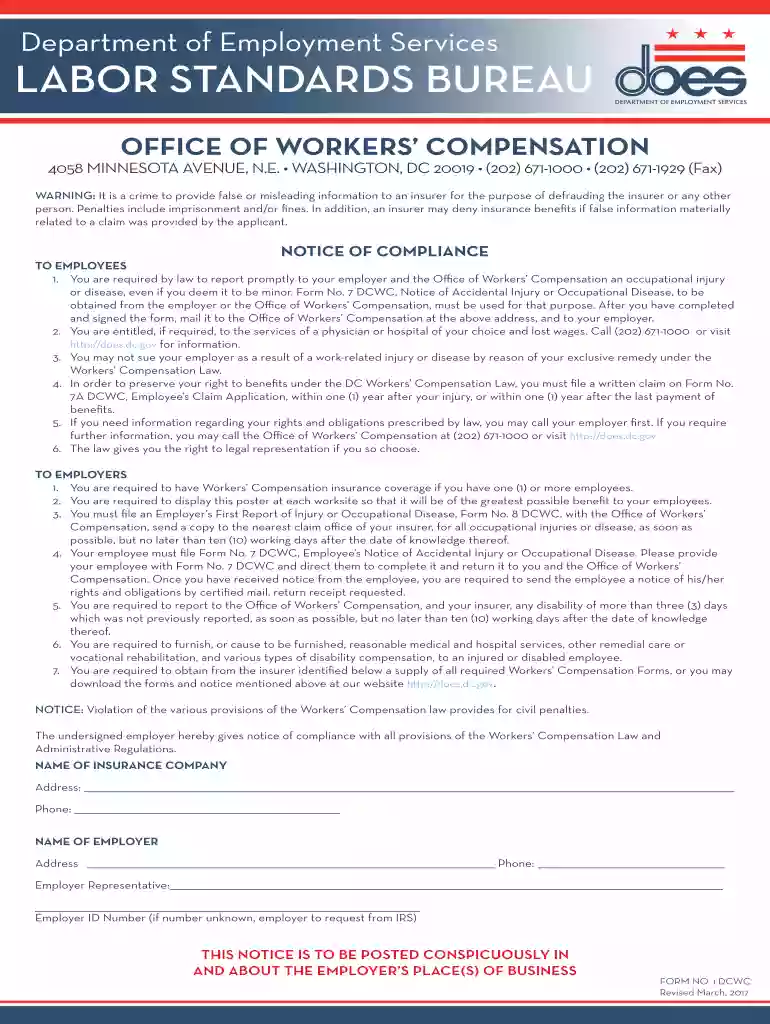
The Department Of Employment Services LABOR STANDARDS BUREAU is a pivotal entity within the framework of employment regulation, particularly focused on ensuring fair labor practices and maintaining workplace standards. This bureau plays a crucial role in managing and enforcing laws related to wage standards, working conditions, and employee rights. By safeguarding these aspects, it helps ensure that both employees and employers operate within a legally compliant and equitable framework.
Key Elements of the Department Of Employment Services LABOR STANDARDS BUREAU
This bureau encompasses several vital components that facilitate its operations. Its key responsibilities include:
- Wage and Hour Laws: Overseeing compliance with minimum wage rates, overtime pay, and related employee compensation issues.
- Occupational Safety: Enforcing standards and regulations aimed at ensuring safe working environments.
- Child Labor Laws: Regulating the employment of minors to ensure appropriate working conditions and hours.
- Dispute Resolution: Providing mechanisms for addressing labor disputes between employers and employees.
Steps to Complete the Department Of Employment Services LABOR STANDARDS BUREAU Processes
Engaging with the Labor Standards Bureau involves several steps:
- Identify the Issue: Employees or employers should clearly understand the specific labor compliance issue they are facing.
- Gather Documentation: Collect all the relevant documents, including pay stubs, employment contracts, and communication records.
- Submit a Complaint or Request: Choose the preferred method of contact—either online, via mail, or in-person visits to the bureau’s office.
- Participate in Investigations: Cooperate with bureau investigations by providing any additional information or testimony required.
- Receive Evaluation Results: Await the bureau's assessment and any ensuing recommendations or corrective actions.
State-Specific Rules for the Department Of Employment Services LABOR STANDARDS BUREAU
While federal standards often guide labor practices, state-specific regulations can vary. It’s important for stakeholders to recognize:
- Minimum Wage Differences: States can have higher minimum wage rates than those mandated federally.
- State-Specific Safety Regulations: Occupational safety protocols may differ across states, reflecting local industry concentrations and risks.
- Child Labor Restrictions: Variations in permissible working hours and conditions for minors.
Legal Use and Implications
Using the Department Of Employment Services LABOR STANDARDS BUREAU correctly ensures legal compliance. Misuse or negligence in adhering to its rulings can lead to:
- Fines and Penalties: For non-compliance with labor regulations.
- Labor Disputes: With potential litigation if disputes are not adequately resolved.
- Revocation of Business Licenses: In cases of severe or repeated violations.
Examples of Using the Department Of Employment Services LABOR STANDARDS BUREAU
Consider these scenarios illustrating the bureau's application:
- Resolving Wage Disparities: An employee discovers they are being paid less than the minimum wage and contacts the bureau to initiate remediation.
- Addressing Unsafe Work Conditions: A factory is reported for not having adequate safety gear, prompting a bureau inspection and subsequent improvements.
- Handling Unlawful Terminations: An employee wrongfully terminated seeks the bureau's help to address and resolve their employment status.
Required Documents for Interaction
To engage effectively with the Department Of Employment Services LABOR STANDARDS BUREAU, certain documentation may be necessary:
- Proof of Employment: Such as offer letters, contracts, or payroll records.
- Incident Records: Documentation of any workplace issues, including emails or memos.
- Personal Identification: To verify the identities and roles of the involved parties.
Form Submission Methods (Online, Mail, In-Person)
The bureau offers several methods for submitting forms or complaints:
- Online Platforms: Fast and efficient for preliminary submissions or inquiries.
- Mail: Ideal for sending comprehensive documentation securely when an in-person visit is impractical.
- In-Person Visits: Providing direct interaction with bureau representatives for immediate assistance or clarification.