Definition and Purpose of the USPA B License Proficiency Card
The USPA B License Proficiency Card serves as a comprehensive record that documents a skydiver's progression toward achieving the United States Parachute Association B License. This advanced skydiving license signifies a higher level of skill proficiency compared to the A License, including improved freefall, canopy control, and emergency management capabilities. The card tracks the necessary training and experiences, ensuring the skydiver meets all the required competencies and safety standards. These include successfully completing a series of specific jumps, demonstrating advanced knowledge in various facets of skydiving, and mastering emergency procedures pertinent to the upgraded license level.
How to Use the USPA B License Proficiency Card
Using the USPA B License Proficiency Card involves systematically documenting each training session and achieved milestone. Skydivers must:
- Log Each Jump: Record every jump in the appropriate section, noting altitude specifics, freefall maneuvers, and canopy exercises completed.
- Skill Verification: Obtain signatures from qualified instructors who witnessed the jump and verified skill competency.
- Annotate Completed Training Courses: Include information on training sessions focused on emergency procedures, equipment handling, and other critical skydiving skills.
- Review and Reflect: Regularly review the card to understand areas needing improvement or further practice before attempting more advanced jumps.
Steps to Complete the USPA B License Proficiency Card
Successfully completing the card entails several well-defined stages:
- Preparation and Planning: Engage in preparatory courses that cover theory and practical elements.
- Jump Execution: Perform a series of jumps that cover the required skills, ensuring each is overseen and signed off by a certified instructor.
- Skill Assessment: Undergo assessments to confirm knowledge and skill proficiency in areas such as maneuver execution, barrel rolls, and canopy control at specified altitudes.
- Final Evaluation: Complete a final evaluation jump that tests all cumulative skills, confirming readiness for the responsibilities of a B License holder.
Key Elements of the USPA B License Proficiency Card
The proficiency card comprises several critical components:
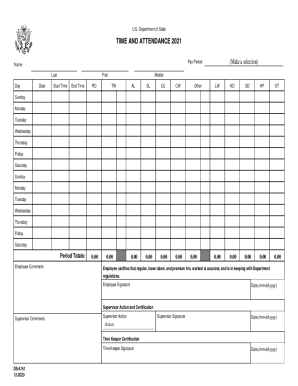
- Personal Information: Includes the skydiver's name, USPA membership number, and contact information.
- Training Record: Comprehensive tracking of all training modules undertaken.
- Performance Logs: Detailed entries for each jump, including altitude, time in freefall, maneuvers executed, and canopy details.
- Instructor Sign-Offs: Areas for instructors to sign and confirm completed skills and knowledge checks.
Legal Implications and Use of the USPA B License
Holding a USPA B License is more than an acknowledgment of skill; it entails specific legal responsibilities:
- Compliance: B License holders must adhere to USPA regulations and contribute to safe practices within the skydiving community.
- Insurance Requirements: License requirements often tie into insurance policies, impacting coverage levels and conditions.
- Emergency Preparedness: Legal readiness includes thorough knowledge and execution ability of emergency protocols, aligning with industry safety standards.
State-Specific Rules and Variations
Though the USPA sets national standards, individual states may have unique regulations affecting skydiving operations:
- Altitude Regulations: States might impose specific altitude limitations differently from standard USPA guidelines.
- Weather-Related Constraints: Regional weather patterns can necessitate varying cloud cover and visibility protocols.
- Operational Guidelines: States might define unique rules for tandem operations or student jump regulations beyond USPA stipulations.
Practical Examples of Using the USPA B License Proficiency Card
Consider these scenarios illustrating the card's utility:
- Training Center Requirement: A skydiver in training logs each jump and skill as part of a structured progression to fulfill the training center's curriculum.
- Self-Assessment Tool: An experienced diver uses the card to identify areas needing repetition or further training, ultimately achieving a more profound skill mastery.
- Audit Proof: During an audit or inspection by a skydiving school, the card provides verifiable proof of completed training and competencies.