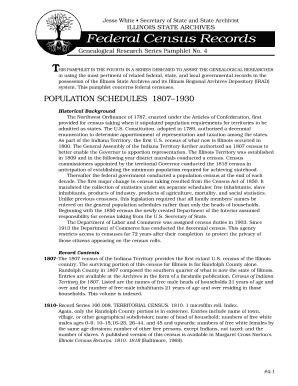
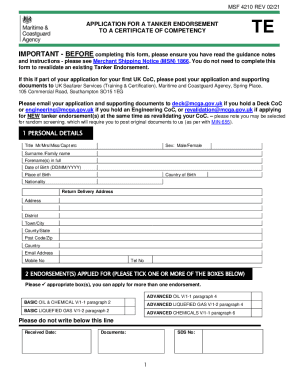
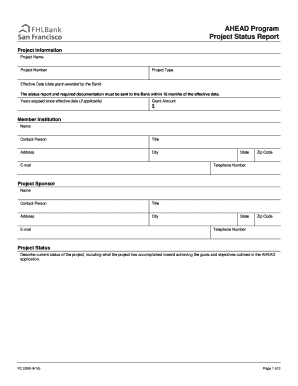
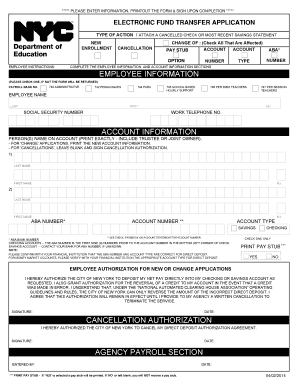
01. Edit your form online
Type text, add images, blackout confidential details, add comments, highlights and more.

Type text, add images, blackout confidential details, add comments, highlights and more.

Draw your signature, type it, upload its image, or use your mobile device as a signature pad.

Send it via email, link, or fax. You can also download it, export it or print it out.
The form titled "THIS AGREEMENT made in duplicate as of the day of , 2005" generally refers to a legal document used for official agreements that require a formal record. The phrase "made in duplicate" indicates that two identical versions of the document were created, one for each party involved in the agreement.
Understanding the essential components of this form is critical for its correct completion and legal validity. Each section is designed to capture specific information pertinent to the agreement.
Completing the form correctly ensures that it is legally enforceable. Follow these steps to fill out the form appropriately:
This agreement form is utilized for formalizing arrangements between two or more parties. It is significant in legal contexts where it serves as proof of a contract.
Utilizing an "agreement made in duplicate" ensures clarity and legal protection. By having clearly documented and signed terms, both parties can avoid disputes.
Understanding terminology related to the agreement is crucial in interpreting and leveraging the document:
This form is recognized in legal contexts throughout the United States and must adhere to regional and federal laws:
Real-world scenarios enhance understanding of this agreement:
Each state in the U.S. might have additional rules affecting the agreement:
In today's digital era, agreements can be executed electronically:
By thoroughly understanding these key aspects, individuals and businesses can effectively utilize and complete the "THIS AGREEMENT made in duplicate as of the day of , 2005" for their specific legal needs.
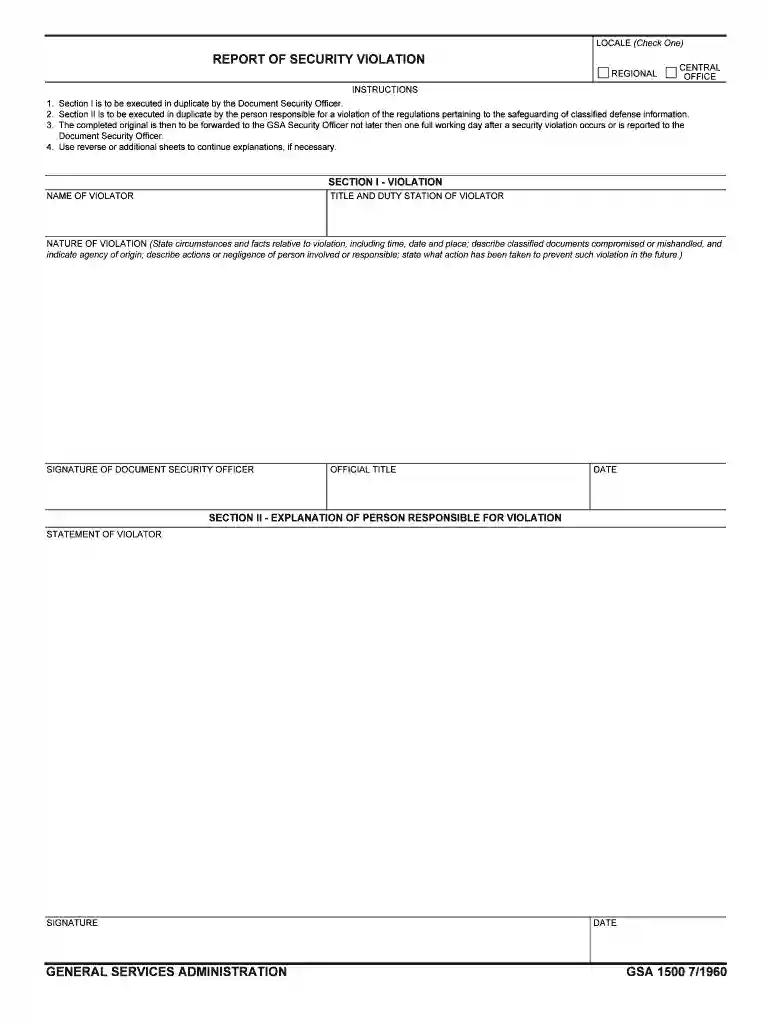
We've got more versions of the THIS AGREEMENT made in duplicate as of the day of , 2005 form. Select the right THIS AGREEMENT made in duplicate as of the day of , 2005 version from the list and start editing it straight away!
| Versions | Form popularity | Fillable & printable |
|---|---|---|
| 1960 | 4.9 Satisfied (25 Votes) |
At DocHub, your data security is our priority. We follow HIPAA, SOC2, GDPR, and other standards, so you can work on your documents with confidence.