






Definition & Meaning
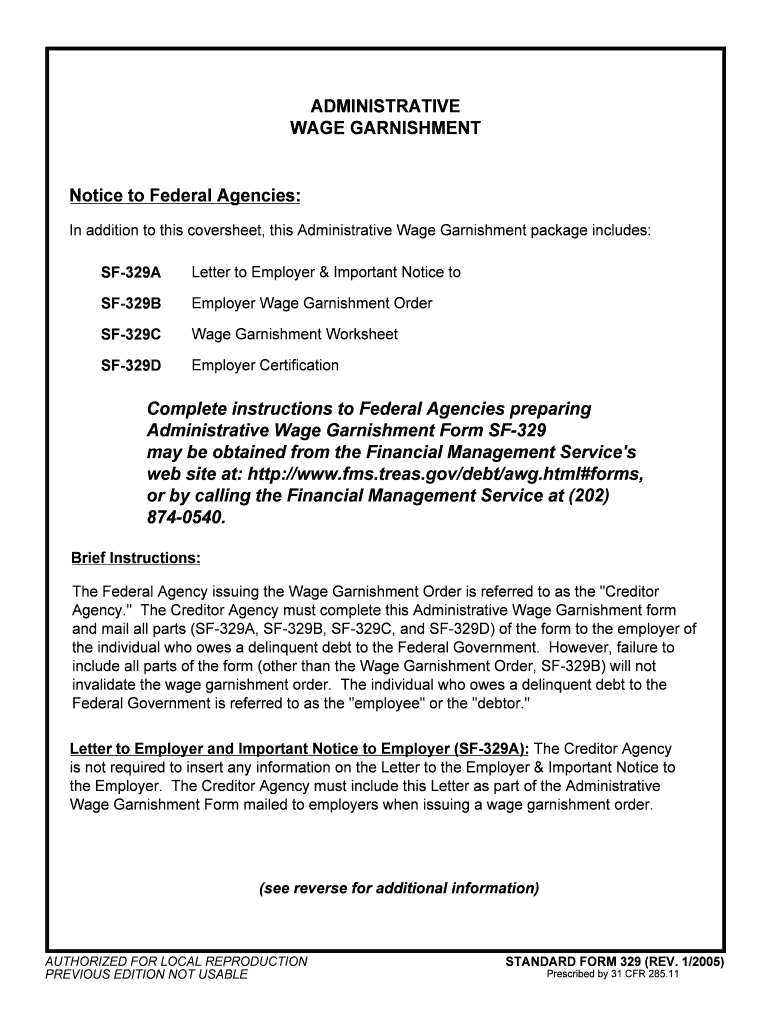
The "letter to employer and important notice to employer - GSA" is a formal communication tool used to notify employers of specific obligations or actions related to their employees’ earnings concerning federal debt recovery. It is a structured form provided by the U.S. General Services Administration (GSA), primarily used to instruct employers on their roles in facilitating administrative wage garnishments. This document ensures compliance with federal laws and helps in standardizing the process of recovering debts owed by employees to the federal government.
Key Elements of the Letter to Employer and Notice
This letter typically includes several critical elements that must be understood and adhered to by employers:
- Identification Information: The form includes specific details about the employee whose wages are being garnished, such as the employee's name and identification number.
- Debt Information: Details about the amount owed and the origin of the debt are clearly specified, including any interest or penalties.
- Garnishment Instructions: The letter outlines the percentage of wages to be withheld and the frequency of these withholdings. The instructions are provided in accordance with federal regulations governing wage garnishments.
- Remittance Directions: Employers are given instructions on how and where to send the garnished wages, including necessary deadlines and payment methods.
- Legal References: The form cites legal statutes that authorize the wage garnishment, ensuring that employers and employees understand the legal basis for the action.
How to Use the Letter to Employer
Employers receiving this letter must take the following steps to ensure compliance:
- Review the Letter: Carefully read and understand all aspects of the notice, paying attention to the specific demands regarding wage garnishment.
- Consult Legal Counsel if Necessary: Given the legal implications, employers may consider consulting with legal counsel to ensure they understand their obligations.
- Implement Wage Garnishment: Adjust the employee’s payroll to reflect the garnishment amount specified in the letter.
- Notify the Employee: Although the employee should already be aware of the garnishment, it is good practice to confirm and inform them of the update.
- Handle Funds Appropriately: Allocate the garnished wages as per the instructions, ensuring timely and accurate remittance to the designated agency or account.
Steps to Complete the Letter to Employer
While the letter is typically pre-filled by the agency, the employer’s responsibilities include ensuring the completion of any required sections and compliance with the garnishment order:
- Acknowledge Receipt: Confirm the receipt of the letter, if required, through the specified method of acknowledgment.
- Verify Employee Status: Confirm that the employee is currently employed within your organization.
- Complete Employer Sections: Fill out any sections relevant to the employer, such as confirmation of employment details or payroll office contact information.
- Submit Confirmation: If the form requires sending back a confirmation of compliance or acknowledgment, ensure that it is done within the stipulated time frame.
Legal Use and Compliance
Employers must ensure that they comply with both the letter's requirements and any relevant federal laws:
- The form authorizes employers to deduct a portion of an employee’s wages directly from their paycheck as stipulated.
- Compliance with this form is mandatory, and failure to do so can result in legal consequences, including penalties for the employer.
- Employers should also check for any updates or changes in state laws that might affect the execution of the garnishment.
Penalties for Non-Compliance
Non-compliance with the instructions contained within the letter can lead to significant penalties for employers:
- Financial Penalties: Failure to withhold and remit garnished wages can result in financial penalties imposed on the employer.
- Legal Action: Continued non-compliance can lead to legal action from the federal government.
- Liability: The employer may be held liable for the total amount of the garnishment if they fail to comply with the order.
Who Typically Uses the Letter
The primary users of this letter are employers who have been notified of an employee’s obligation to repay federal debts. It is essential for:
- HR and Payroll Departments: These internal departments handle wage processing and are responsible for implementing garnishments.
- Legal Departments: Legal teams may also be involved to ensure compliance and to handle any disputes or questions that arise.


Examples of Using the Letter
Real-world scenarios where this notice is applicable include:
- Federal Student Loan Defaults: Employers are commonly notified to garnish wages of employees who have defaulted on federal student loans.
- Tax Debts: The IRS might use this type of communication for garnishing wages due to unpaid taxes.
- Federal Fines or Penalties: Any governmental fines or penalties that are overdue could result in wage garnishment initiated by a similar form.
These examples underscore the importance of understanding and adhering to the instructions within the "letter to employer and important notice to employer - GSA."