







Definition & Meaning
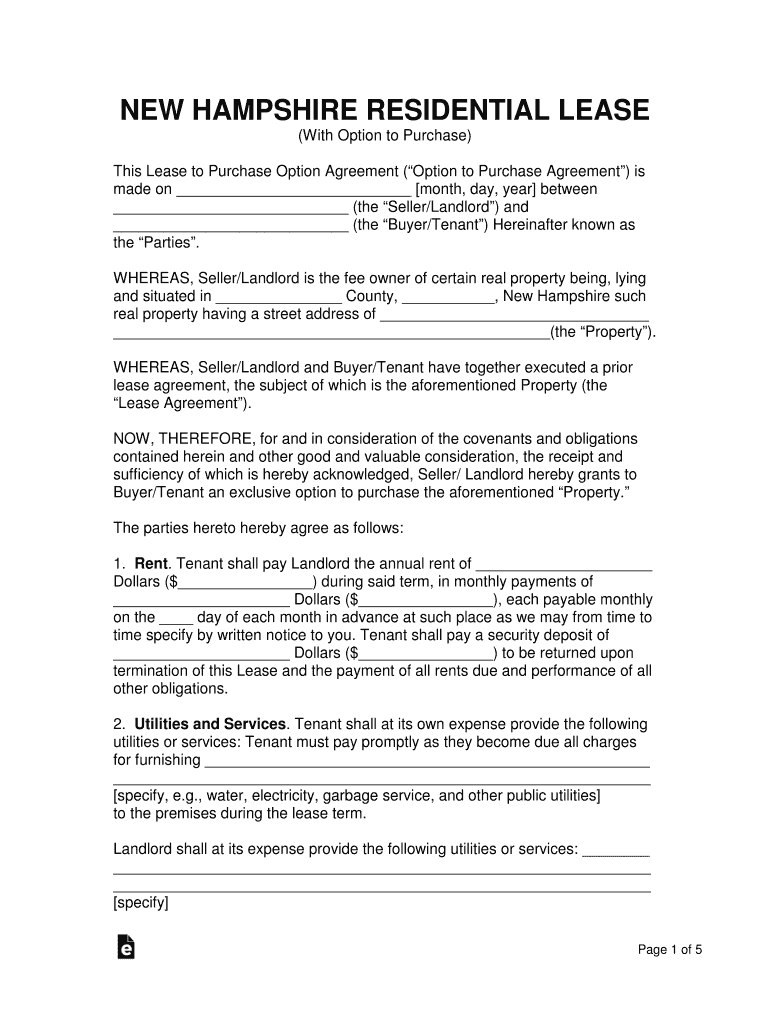
A "With Option to Purchase" agreement is a legal contract often used in real estate transactions where a Buyer/Tenant leases a property with the possibility to buy it in the future. This type of agreement provides flexibility and a structured pathway to ownership, allowing tenants to live in a property and pay rent while also holding the option to purchase it at an agreed-upon price by the end of the lease term.
How to Use the (With Option to Purchase) Agreement
Using a "With Option to Purchase" agreement effectively involves understanding its terms and leveraging its provisions. Tenants should ensure they comprehend the purchase option, including the time frame to exercise it, the purchase price, and any necessary down payments. Landlords and tenants should clearly articulate responsibilities, such as maintenance duties during the lease, to avoid misunderstandings. Importantly, both parties need to adhere to the stipulated notice period for exercising the purchase option, ensuring legal compliance.
Steps to Complete the (With Option to Purchase)
- Review the Agreement: Start by reading the entire agreement thoroughly to understand all terms and conditions.
- Negotiate Terms: Discuss and negotiate aspects such as rent, purchase price, and option fee with the other party.
- Detail Responsibilities: Clarify tenant and landlord duties, including maintenance and repair obligations.
- Sign the Agreement: Both parties should officially sign the document to execute the agreement legally.
- Track Deadlines: Keep track of key dates, such as the option exercise deadline, to ensure compliance.
- Exercise the Option: If choosing to buy, provide written notice to the landlord as specified in the agreement before the option period expires.
Key Elements of the (With Option to Purchase)
- Option Fee: This is often a non-refundable payment from the tenant to the landlord to secure the purchase option.
- Purchase Price: The agreed-upon price at which the tenant can buy the property in the future.
- Lease Terms: Covers rent amount, payment frequency, and lease duration.
- Option Period: The specific time frame within which the tenant can choose to exercise the purchase option.
- Purchase Process: Outlines procedural steps upon exercising the option, such as obtaining financing and closing processes.
Legal Use of the (With Option to Purchase)
This agreement is legally binding and must comply with state laws and regulations regarding lease agreements and real estate transactions. Typically, it includes clauses that cover remedies for defaulting on the lease or purchase terms. In the U.S., adherence to laws such as the ESIGN Act is crucial when using electronic signatures for document verification.
Who Typically Uses the (With Option to Purchase)
This agreement is often used by individuals who wish to transition from renting to owning a home. It's also favored by landlords looking to market their properties to potential buyers who may not currently qualify for a mortgage. Real estate investors employ this strategy to purchase properties strategically and await future market gains.


Important Terms Related to (With Option to Purchase)
Understanding the following terms is essential:
- Option Fee: The cost paid for the right to purchase the property.
- Option Period: The length of time the purchase option is available.
- Exercise the Option: To formally decide to purchase the property under the agreement.
- Consideration: A monetary value given to secure an option in a contract.
State-Specific Rules for the (With Option to Purchase)
Each state in the U.S. can have specific rules governing real estate transactions, including lease agreements with purchase options. Variations may include disclosures needed and regulatory compliance standards. For example, New Hampshire might have distinct requirements for disclosures regarding property condition or energy efficiency, which should be understood and integrated into the agreement to ensure compliance.
Required Documents
Completing a "With Option to Purchase" agreement involves several documents:
- Lease Agreement: Details the rental terms and conditions.
- Option Contract: Sets forth the terms of the purchase option.
- Disclosure Forms: State-mandated forms regarding property-specific information.
- Addendums: Any additional agreements or changes to the original contract terms.




