






Definition and Meaning of Delirium in Hospitalized Older Adults
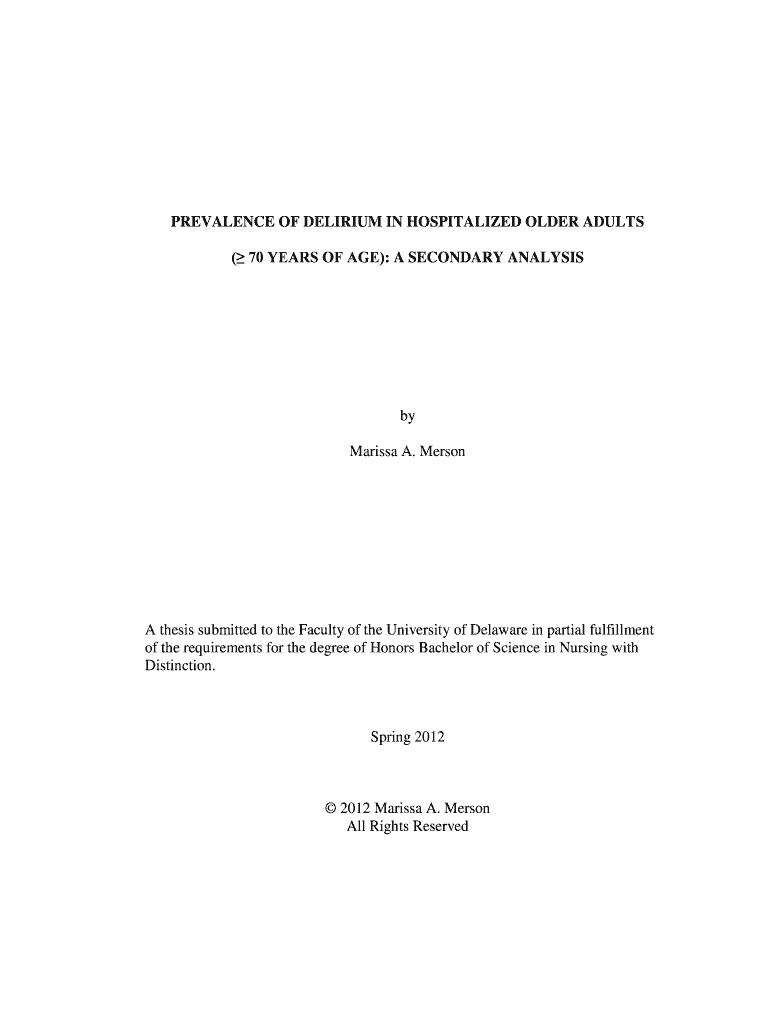
Delirium is a medical condition that results in confusion, reduced awareness of the environment, and potential cognitive disturbances. It is particularly prevalent in older adults, especially those hospitalized or in acute care settings. Understanding the prevalence of delirium, specifically in patients aged 70 years and older, is crucial due to its impact on recovery outcomes and overall quality of care in hospitals.
Key Elements of the Prevalence of Delirium in Older Adults
- Demographics: Focus on older adults aged 70 years and above.
- Hospitalized Setting: Occurrence often in acute care environments.
- Symptom Identification: Cognitive disturbances, confusion, and reduced environmental awareness.
- Risk Factors: Age, pre-existing medical conditions, and certain medications can increase risk.
How to Use the Prevalence Data
Understanding the prevalence data helps healthcare practitioners anticipate potential cases and implement preventative measures. Data can inform:
- Nursing Practices: Adjusting care plans to minimize risk factors for delirium.
- Hospital Policies: Developing protocols for monitoring and evaluating patients prone to delirium.
Steps to Analyze Delirium Prevalence in Hospitalized Older Adults
- Data Collection: Gather patient information and relevant health statistics.
- Assessment: Identify signs and symptoms of delirium.
- Implementing Interventions: Use programs such as Walking and Mobility (WAM) to test impact on delirium rates.
- Evaluate Outcomes: Compare delirium rates at admission versus discharge.
Who Typically Uses Delirium Prevalence Data
- Healthcare Providers: Doctors, nurses, and hospital administrators use data for care planning.
- Researchers: Data is pivotal for studies on geriatric care and outcomes.
- Policy Makers: Formulating health policies and care standards for the elderly population.
Important Terms Related to Delirium
- Acute Care for the Elderly (ACE) Unit: Specialized hospital units focused on the care of elderly patients.
- Cognitive Disturbance: Impairment in mental functions such as memory, attention, and perception.
- Prevalence: The proportion of a population found to have a condition.
Legal Implications in the Management of Delirium
Proper understanding and management of delirium in older adults can have legal implications:
- Negligence: Failure to diagnose or manage delirium competently can result in legal cases.
- Patient Rights: Hospitals must ensure the rights of older adults to quality and compassionate care.
Examples of Delirium in Clinical Practice
- Case Study: A study at Christiana Hospital involving WAM programs indicated no significant change in delirium prevalence at discharge.
- Real-world Scenario: Patients aged 80 to 94 were more susceptible to delirium at discharge, influencing focused care strategies for this demographic.
Variations or Alternatives to Traditional Delirium Measurement
- Walking and Mobility Programs: Designed to assess impact on delirium, though not significantly effective in some cases.
- Technological Aids: Use of monitoring systems to detect early signs of delirium in hospitalized patients.
State-Specific Considerations
Different states in the U.S. may have specific guidelines or practices for monitoring and managing delirium in hospital settings, affecting how data is utilized.
Quick Facts
- Delirium affects approximately 10% of hospitalized older adults at admission.
- Higher discharge rates of delirium were observed in patients over the age of 80.
- Continuous monitoring and proactive interventions are key to improved management outcomes.