
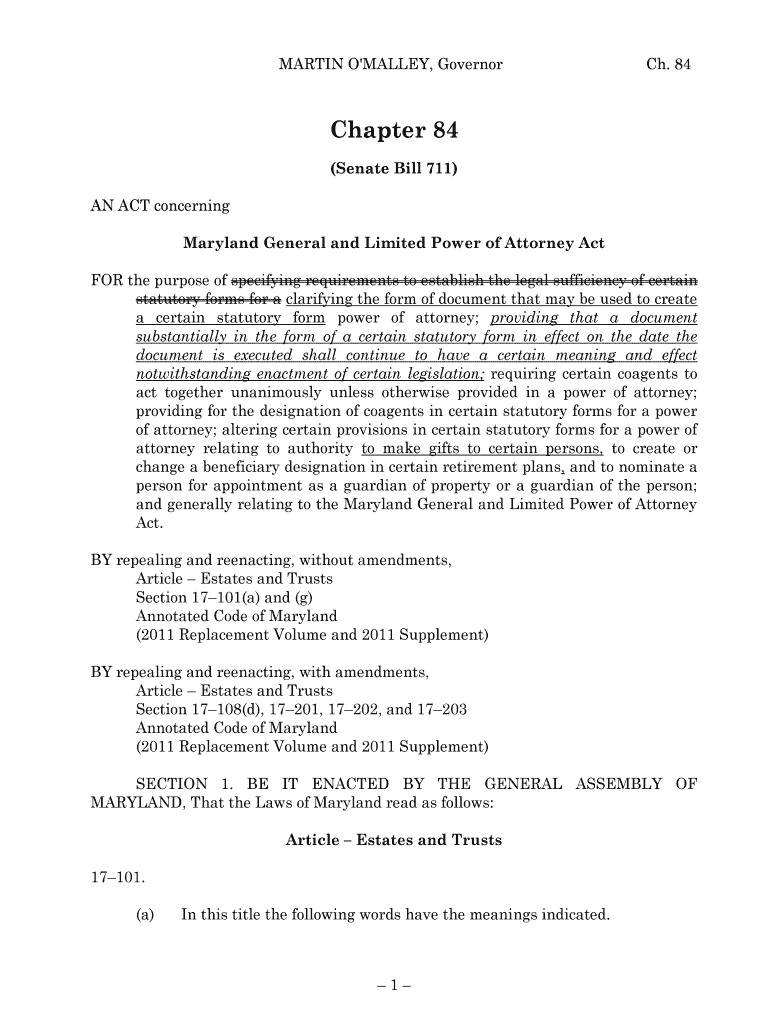







Definition of Senate Bill 711
Senate Bill 711, officially known as the Compassionate Care Act, is a legislative proposal aimed at legalizing and regulating the medical use of cannabis in the state. Its primary goal is to provide patients with qualifying diagnoses access to medical cannabis as part of their treatment plans. Key components of the bill include the establishment of a regulated supply chain for cultivation, processing, and distribution, as well as the creation of a patient registry system to monitor and manage patient access while ensuring compliance with state laws.
How to Use Senate Bill 711
Understanding how Senate Bill 711 works involves familiarizing oneself with its provisions and requirements. Patients must receive certification from a registered healthcare provider stating that they have a qualifying medical condition. Once certified, patients can apply for a medical cannabis card through the state's registry. This card authorizes them to purchase cannabis products from licensed dispensaries. Healthcare providers and caregivers also need to comply with specific registration and operational guidelines to participate in the program.
Steps to Complete the Senate Bill 711 Process
-
Consultation with Healthcare Provider: Schedule a consultation with a registered healthcare provider to determine eligibility for medical cannabis.
-
Certification Process: If the provider diagnoses a qualifying medical condition, they will issue a certification for medical cannabis use.
-
Patient Registry Application: Submit an application to the state’s medical cannabis registry, including personal information and the provider's certification.
-
Obtaining a Medical Cannabis Card: Upon approval, receive a medical cannabis card, granting the right to purchase products from designated dispensaries.
-
Purchasing Medical Cannabis: Visit a state-licensed dispensary with the medical cannabis card to choose suitable cannabis products.
-
Follow-up Appointments: Regularly consult with the healthcare provider to monitor treatment effectiveness and make necessary adjustments.
Key Elements of Senate Bill 711
- Patient Eligibility: Clearly defined medical conditions that qualify for medical cannabis use.
- Healthcare Provider Involvement: A system for healthcare professionals to evaluate and certify patients.
- Licensing and Regulation: Regulations governing the licensing of growers, processors, and dispensaries.
- Patient Registry System: A centralized database to manage patient information and track cannabis distribution.
- Security Measures: Protocols to ensure safe production, distribution, and usage of medical cannabis.
Who Typically Uses Senate Bill 711
Senate Bill 711 primarily targets individuals with specific medical conditions that are scientifically proven to respond well to cannabis treatment. Common users include patients suffering from chronic pain, cancer, epilepsy, multiple sclerosis, and other debilitating conditions. By offering an alternative therapy, the bill seeks to improve quality of life and provide relief to patients who have limited options with conventional treatments.
Important Terms Related to Senate Bill 711
- Qualifying Condition: A medical condition approved under the bill for cannabis use.
- Medical Cannabis Card: An identification card issued to eligible patients, allowing the purchase of medical cannabis.
- Dispensary: A licensed facility where medical cannabis is provided to cardholders.
- THC and CBD: Active compounds in cannabis that provide therapeutic benefits.
- Certification: An official statement from a healthcare provider affirming a patient’s need for cannabis treatment.
Legal Use of Senate Bill 711
The legal framework of Senate Bill 711 ensures that medical cannabis is used appropriately within state guidelines. Patients and caregivers must adhere to the rules set by the law to prevent misuse and abuse of cannabis. Usage is strictly limited to prescribed dosages, and only specific CBD to THC ratios may be permitted for certain conditions. Additionally, legal use requires compliance with state regulations regarding possession, storage, and transportation of medical cannabis.
State-Specific Rules for Senate Bill 711
While Senate Bill 711 provides a statewide framework, specific rules and implementations may vary by region. Some states might have more restrictive lists of qualifying conditions or additional administrative requirements. It is crucial for patients and healthcare providers to be aware of their region’s unique guidelines to ensure full compliance with the law and optimize the benefits of medical cannabis use.
Who Issues the Senate Bill 711 Guidelines
The Department of Health typically oversees the implementation of Senate Bill 711, working closely with medical boards and cannabis regulatory agencies. These bodies are responsible for developing comprehensive regulations, issuing licenses, and maintaining the patient registry. They ensure that the program aligns with public health objectives and legal standards, providing safe access to medical cannabis for eligible individuals.




