Definition and Meaning of a Registered Person
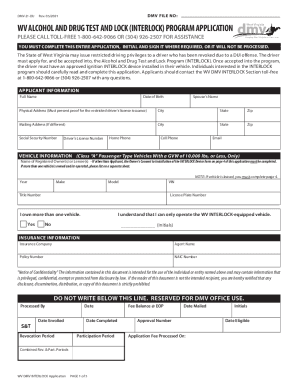
A registered person is an entity or individual recognized officially by a regulatory body, typically for purposes of legal or tax-related activities. The term is commonly used in various jurisdictions and contexts, such as business registrations, tax identifications, or vehicle registrations. The primary role of a registered person is to act as the accountable party for compliance and communication with regulatory authorities. For instance, in vehicle registration, the registered person is responsible for maintaining the registration and ensuring compliance with legal requirements.
In a legal context, the registered person may also refer to individuals or businesses that are required to register for sales tax, ensuring that they can properly collect and remit taxes on applicable transactions. The exact definition and implications can vary by jurisdiction, highlighting the importance of understanding specific regional or legal nuances.
How to Use the Concept of Registered Person
Understanding the role and responsibilities of a registered person is crucial for compliance and operational efficiency. Registered persons may need to:
- Maintain up-to-date records with the relevant authorities to ensure compliance with legal and regulatory requirements.
- Ensure timely reporting and filing of necessary documentation, such as tax returns or registration renewals.
- Provide accurate information during transactions that necessitate the involvement of a registered person, such as buying or selling assets.
- Act as the primary contact for any official inquiries or communications from the regulatory body.
For businesses, appointing a registered person helps ensure legal compliance regarding transactions, registrations, and other organizational activities.
Steps to Complete the Registered Person Form
Completing a registered person form involves several key steps:
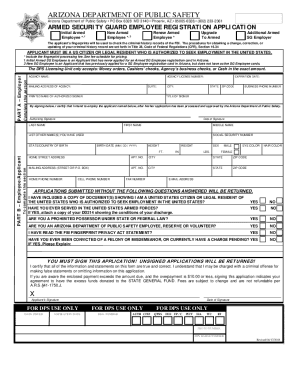
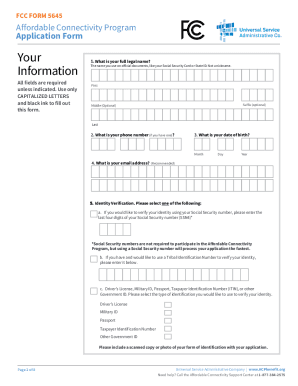
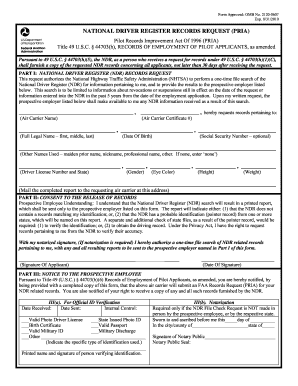
- Gather Required Information: Collect all necessary information, including personal identification, business details, and pertinent documentation related to the registration purpose.
- Understand Form Sections: Familiarize yourself with the various sections of the form, ensuring clear understanding of each required field.
- Accurate Completion: Ensure all information is complete and accurate to avoid processing delays or legal issues.
- Review and Verification: Double-check details before submission to correct any potential errors.
- Submission: Submit the form through the designated method, such as online portals, mail, or in-person visits, adhering to any required deadlines.
Completing each step diligently fosters a smooth registration process and maintains compliance with regulatory standards.
Key Elements of a Registered Person Form
Several critical elements must be addressed in a registered person form to ensure proper completion:
- Personal or Business Identification: Includes legal names, addresses, and unique identification numbers relevant to the registration type.
- Purpose of Registration: Clarifies the aim of the registration, such as tax collection, business operation, or vehicle registration.
- Supporting Documents: Lists necessary additional documents, such as proof of identity, tax documents, or certificates.
- Signature and Date: Confirms the authenticity of the information provided through the applicant’s signature and date.
- Specific Sections for Updates: Parts of the form delegated for updating information and making amendments to previous registrations.
Each element is integral to ensuring that the registration process aligns with required legal guidelines.
Legal Use of a Registered Person
The registered person carries specific legal obligations that must be fulfilled to remain compliant:
- Accountability: The registered person is legally accountable for ensuring that all relevant activities are reported and compliant with the law.
- Reporting Obligations: Includes the responsibility to file necessary documents and reports within specified deadlines.
- Legal Representation: Acts as the official representative in dealings with governmental and regulatory bodies.
- Responsibility for Compliance: Ensures adherence to applicable laws and regulations, particularly concerning financial and business operations.
Understanding these legal uses helps protect rights while fulfilling obligations under the law.
State-Specific Rules for Registered Persons
State-specific rules can impact the responsibilities and requirements for registered persons. Variability among states means:
- Different Filing Procedures: States may have distinct processes for registering, renewing, or updating registered person status.
- Varying Tax Obligations: Diverse tax structures can lead to different registration and reporting requirements.
- Unique Compliance Criteria: Some states may enact unique laws affecting registration forms and compliance obligations.
Familiarity with state-specific laws ensures robust compliance and avoids inadvertent legal conflicts.
Required Documents for Registering a Person
When registering a person, ensure that the following documents are generally prepared beforehand:
- Proof of Identity: Passport, driver’s license, or state-issued identification card.
- Proof of Address: Utility bills, lease agreements, or a government-issued letter.
- Business Documentation: Articles of incorporation, business licenses, or partnership agreements.
- Tax Identification Numbers: If applicable, proof of issuance of tax identification numbers.
These documents facilitate a smooth registration process by providing comprehensive identification and verification evidence.
Form Submission Methods: Online, Mail, or In-Person
The submission method for forms involving a registered person can vary:
- Online Submissions: Often the quickest option, requiring digital uploads of documents and information entry via a secure portal.
- Mail: Provides a physical method for those who prefer traditional submission, including all accompanying documents.
- In-Person: Offers the opportunity to deliver forms directly and address questions or issues with the handling official.
Choosing a method that aligns with personal comfort and institutional requirements ensures effective submission and processing.
Penalties for Non-Compliance of Registered Person Obligations
Non-compliance with registered person obligations can result in significant penalties, such as:
- Fines and Fees: Monetary penalties that vary by infraction and jurisdiction.
- Suspension of Registration: Temporary prevention of legal activities related to the registration.
- Legal Action: Potential for legal proceedings in severe cases of non-compliance.
- Loss of Benefits: Possible revocation of tax benefits, licenses, or operational permits.
Addressing registration obligations proactively minimizes the risk of such penalties and supports successful regulatory compliance.