




Here's how it works

01. Edit your dmv accident report form online
Type text, add images, blackout confidential details, add comments, highlights and more.

02. Sign it in a few clicks
Draw your signature, type it, upload its image, or use your mobile device as a signature pad.

03. Share your form with others
Send oregon accident report form via email, link, or fax. You can also download it, export it or print it out.
How to use or fill out oregon dmv online accident report 2011 form with DocHub

- Click ‘Get Form’ to open the Oregon DMV Online Accident Report 2011 form in our editor.
- Begin with Section 1, where you will enter the date, location, and time of the accident. Ensure accuracy as this information is critical for processing your report.
- In Section 2, provide details about your vehicle. Include the insurance company name and policy number. This section must be completed fully to avoid suspension of your driving privileges.
- Proceed to Section 3 and answer all questions regarding the circumstances of the accident. This helps DMV code the incident correctly.
- If there were other vehicles involved, complete Section 4 with their details. Use a supplemental report if necessary.
- Finally, in Section 5, describe what happened during the accident and ensure you sign and date the form before submission.
Start using our platform today to fill out your Oregon DMV Online Accident Report for free!
Fill out oregon dmv online accident report 2011 form online
It's free
It's free
See more oregon dmv online accident report 2011 form versions
We've got more versions of the oregon dmv online accident report 2011 form form. Select the right oregon dmv online accident report 2011 form version from the list and start editing it straight away!
| Versions | Form popularity | Fillable & printable |
|---|---|---|
| 2025 | 4.2 Satisfied (61 Votes) | |
| 2023 | 4.1 Satisfied (36 Votes) | |
| 2023 | 4.6 Satisfied (42 Votes) | |
| 2021 | 4.8 Satisfied (80 Votes) | |
| 2019 | 4.2 Satisfied (97 Votes) | |
| 2017 | 4.4 Satisfied (639 Votes) | |
| 2014 | 4.3 Satisfied (78 Votes) | |
| 2011 | 4.2 Satisfied (54 Votes) | |
| 2009 | 4.2 Satisfied (59 Votes) | |
| 2004 | 4 Satisfied (26 Votes) |
Got questions?
We have answers to the most popular questions from our customers. If you can't find an answer to your question, please contact us.
Contact us
When should you fill out an accident report?
You must report the accident within 24 hours to the California Highway Patrol if any injuries are sustained. The California Department of Motor Vehicles must receive an official Report of Accident form within 10 days of the incident if any injury occurred or damages exceeding $100 in value.Sep 18, 2025
How long after a car accident can you sue in Oregon?
two years
How long after an accident do you have to file a claim in Oregon?
Oregon law gives car accident victims two years to file a personal injury lawsuit, but waiting too long can damage your case. By contacting Dawson Law Group as soon as possible, you give yourself the best chance to recover full compensation and hold negligent drivers accountable.Sep 6, 2025
Can you file an accident report online with Oregon DMV?
The most secure and quickest way to submit a collision report to DMV is online. Do not send DMV more than one report for the same collision. Each report you submit shows as a new collision on your record.
Do you need to file a police report for a car accident in Oregon?
Under ORS 811.725, a motor vehicle accident report must be filed with the Oregon Department of Transportation when the crash results in injury, death, or property damage exceeding $2,500 (including damage to any vehicle, property, or towing costs).Feb 10, 2026
Security and compliance
At DocHub, your data security is our priority. We follow HIPAA, SOC2, GDPR, and other standards, so you can work on your documents with confidence.
Learn more


Related forms
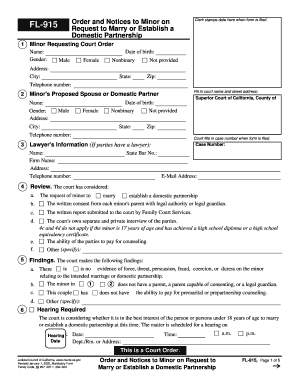
Fl 915 form
The document outlines the process and requirements for minors in California seeking court approval to marry or establish ...
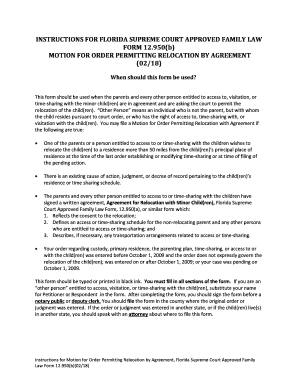
Court agreement motion sample
The document provides instructions for using Florida Supreme Court Approved Family Law Form 12.950(b), which is a Motion ...

SC4506 - South Carolina Department of Revenue - SC.gov
The document outlines the application process for obtaining a beer and wine producer or importer license in South Caroli ...

Lawyer appointed cr
The document CR-133 is a request form for the court to appoint a lawyer for individuals appealing a misdemeanor case. It ...

Naccas visit
The document is a Candidate Consultation Visit Request Form for institutions seeking accreditation from NACCAS. It outli ...
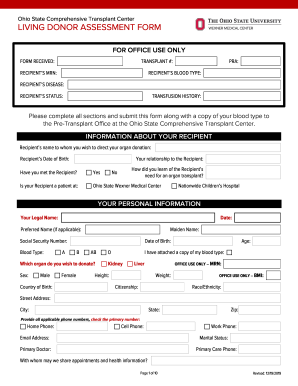
2019 osu wexner medical living donor assessment form
The document is a Living Donor Assessment Form from the Ohio State Comprehensive Transplant Center, designed for individ ...
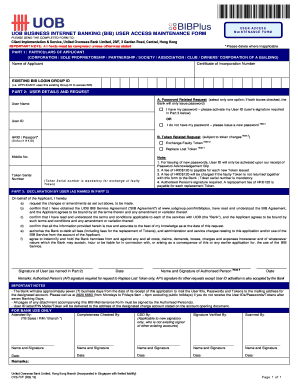
Cyb77f download
The document is a User Access Maintenance Form for UOB Business Internet Banking (BIB), detailing the process for applic ...

Annuity withdrawal
The document is a withdrawal request form for annuity contracts from Metropolitan Life Insurance Company. It outlines th ...
People also ask
How long is too late to file an insurance claim?
Yes, there are time limits on insurance claims, both for reporting the incident to your insurer (often days or weeks, per your policy) and for filing a formal lawsuit (statutes of limitations, usually 1-3 years depending on the state and claim type). While insurers must process claims promptly, waiting too long to report can jeopardize your claim, and missing the legal deadline to sue can prevent recovery entirely, so check your policy and state laws. Key Time Limits Reporting to Insurer (Policy Requirement): Auto: Policies often require reporting an accident within days (e.g., 72 hours) or weeks, even if its just a fender bender. Property: Report damage (fire, storms, vandalism) ASAP, as some policies require reporting within 72 hours. Work Injury: Typically report within 30 days. Filing a Lawsuit (Statute of Limitations): Auto: Varies by state (e.g., 2 years in California, 3 in Colorado). Personal Injury: Often 2-3 years from the accident date. Contract Disputes: Related to insurance, these also have statutes of limitations. Why Timeliness Matters Evidence: Fresh evidence and witness memories are crucial for proving your case. Policy Compliance: Delays can give insurers reasons to deny or minimize claims, claiming the delay affects the legitimacy or extent of damages. Legal Rights: Missing deadlines can extinguish your right to recover damages, even if the insurer is slow. What to Do Read Your Policy: Find the specific reporting requirements for your type of claim. Report Immediately: Notify your insurer as soon as possible after an incident. Know Your States Laws: Look up the statute of limitations for your state and claim type. AI can make mistakes, so double-check responsesFrequently Asked Questions about Auto Insurance Claims - Mass.govThere are no specific time limits for the settlement of claims. Insurance companies legally have to pay all claims in a prompt andMass.govTime Limit for Car Insurance Claim Settlement | ProgressiveIs there a time limit for insurance claim settlements? Generally, the insurance company has about 30 days to investigate your autoProgressive
Can I put a claim in 2 weeks after an accident?
Yes, you can usually file a claim two weeks after an accident, but you should do it ASAP as waiting can weaken your case, although your states statute of limitations for lawsuits is much longer (1-6 years), insurance policies require prompt reporting (days to weeks) to avoid denial. Delays make gathering evidence hard and can make the insurer question your injuries, so report to your insurer immediately, even if you are still seeking medical treatment. Why you should file quickly Policy requirements: Insurance policies require prompt or immediate notice, often within days, and two weeks is pushing it, but likely still acceptable. Evidence preservation: Key details, witness memories, and physical evidence fade quickly, making it harder for insurers to verify facts. Injury credibility: Delaying reporting can lead insurers to doubt the severity or origin of injuries, potentially reducing your payout. What to do now Contact your insurer: Call your insurance company immediately to report the accident and start the claim process. Gather information: Collect all accident details, photos, and documentation. Continue medical care: If you have injuries, keep seeing doctors to document everything. Check your states laws: Understand your states statute of limitations for filing a lawsuit, but dont rely on this long deadline to report to your insurer. In short, file your claim now, dont wait any longer, as two weeks is already a DocHub delay, and reporting promptly protects your rights. AI can make mistakes, so double-check responsesHow Long After a Car Accident Do You Have to File a Claim for Injury?Oct 10, 2025 After a car accident, one of the most important steps you can take is to report the incident to your insurance companyRoss Moore LawHow Long After a Car Accident Can You Claim Injury?May 29, 2025 Insurance deadlines: Many insurers require claims within 3060 days, or promptly after the accident. No-fault statesRothenberg Law Firm