






Definition and Meaning of Aqueous Solutions
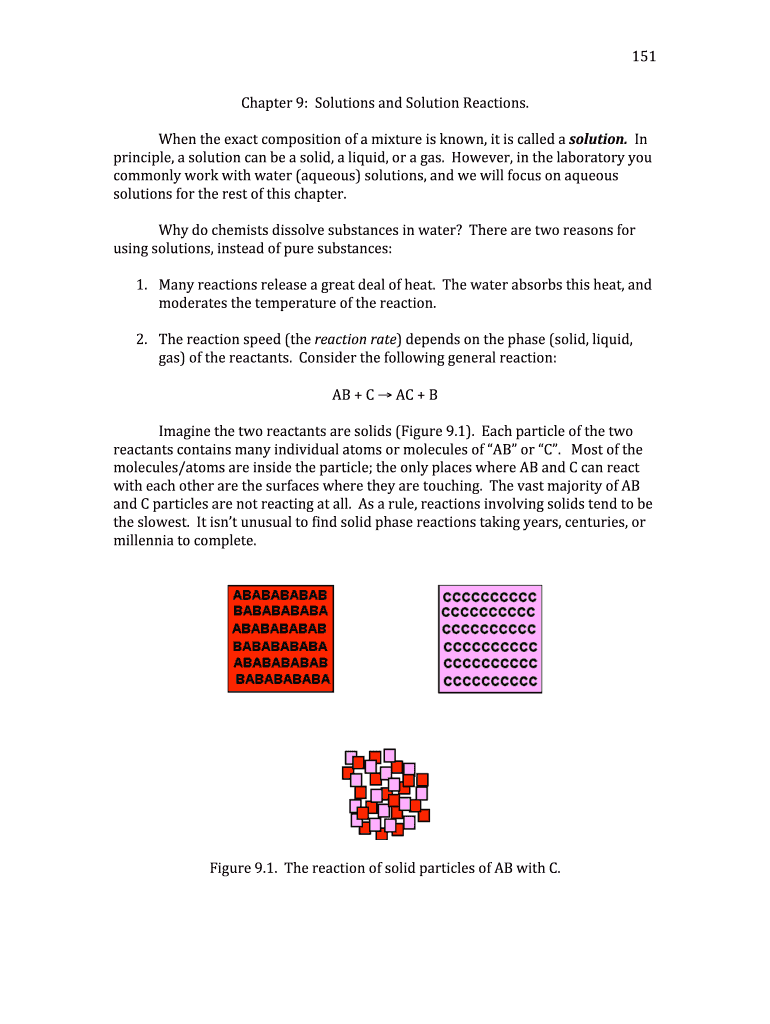
Aqueous solutions play a crucial role in many scientific and industrial processes. They consist of a solute dissolved in water, the solvent, where water serves as the medium that facilitates the interactions and reactions between chemical species. The term "aqueous" is derived from "aqua," meaning water, indicating the presence of water as the primary solvent in such solutions. In chemistry, aqueous solutions are significant because they often allow for increased reaction rates and moderated reaction conditions due to the ability of water to dissolve a wide range of substances.
Practical Examples
- Household Cleaning: Many cleaning agents are aqueous solutions where water activates the cleaning components.
- Medical Applications: Saline solutions, used for hydration in the medical field, are common types of aqueous solutions.
The Role of Solvents and Solutes
In aqueous solutions, understanding the roles of solvents and solutes is essential for predicting behavior in various contexts. The solvent, water in this case, is the substance in which the solute dissolves. The solute can be any substance that is dissolved by the solvent, such as salts, acids, or bases.
Key Distinctions
- Saturation Levels: Solutions can be unsaturated, saturated, or supersaturated depending on the amount of solute dissolved at a given temperature and pressure.
- Concentration Measurement: Molarity is a standard unit of concentration used to describe the amount of solute in a solution, crucial for quantitative chemical analysis.
Chemical Reactions in Aqueous Media
Aqueous solutions serve as a primary medium for numerous chemical reactions, impacting both the reaction rate and temperature. The reactivity and interactions of solutes with water can introduce unique behaviors not seen in non-aqueous systems.
Specific Reactions
- Acid-Base Reactions: These involve the transfer of protons in water and can be observed through pH changes.
- Precipitation Reactions: Occur when two aqueous solutions combine to form an insoluble product.
Why Focus on Aqueous Solutions?
Focusing on aqueous solutions is crucial for several reasons. Firstly, they mimic biological environments, making them indispensable in biochemical contexts. Additionally, their ability to support diverse solutes makes them invaluable in industrial processes.
Applications
- Environmental Chemistry: Aqueous solutions are used to analyze water pollution and remediation strategies.
- Pharmaceuticals: Drug solubility and delivery are often dependent on aqueous solution chemistry.
Important Terms Related to Aqueous Solutions
Understanding aqueous solutions demands familiarity with specific terminology, which aids in accurate communication and comprehension within scientific and technical disciplines.
Glossary of Terms
- Electrolyte: Substances that dissociate into ions in an aqueous solution, conducting electricity.
- Nonelectrolyte: Compounds that do not dissociate into ions in water.
- Solubility: The ability of a solute to dissolve in a solvent at a given temperature and pressure.
Examples and Use Cases
Aqueous solutions find extensive applications across various industries. They offer practical solutions by enhancing reactions and aiding in processes that require hydration or specific solvent characteristics.
Industry Examples
- Agriculture: Fertilizers are often applied in aqueous forms for efficiency.
- Dyeing and Textiles: Fabric dyes are frequently aqueous to ensure even distribution and absorption.
Legal Considerations in Using Aqueous Solutions
When dealing with aqueous solutions in an industrial or laboratory setting, compliance with safety and environmental regulations is essential. Legal restrictions may pertain to the handling and disposal of chemicals involved in aqueous solutions.
Regulatory Aspects
- Environmental Impact Assessments: Must be conducted to understand the implications of discharging aqueous solutions into natural waterways.
- OSHA Regulations: Guidelines for safe handling, storage, and disposal of chemical solutions to protect workers.
Creating and Managing Aqueous Solutions
The process of creating and managing aqueous solutions is methodical, involving the precise measurement of solutes and solvents to achieve desired properties.
Step-by-Step Procedure
- Measure Solvent Volume: Start by measuring the required volume of water as the solvent.
- Add Solute Carefully: Gradually introduce the solute while stirring to ensure complete dissolution.
- Adjust Concentration: Use calculations to verify and adjust the solution concentration to meet the requirements.
By covering these essential aspects, one gains a comprehensive understanding of the roles, applications, and importance of aqueous solutions in various fields.