






Definition and Meaning of Inventory and History
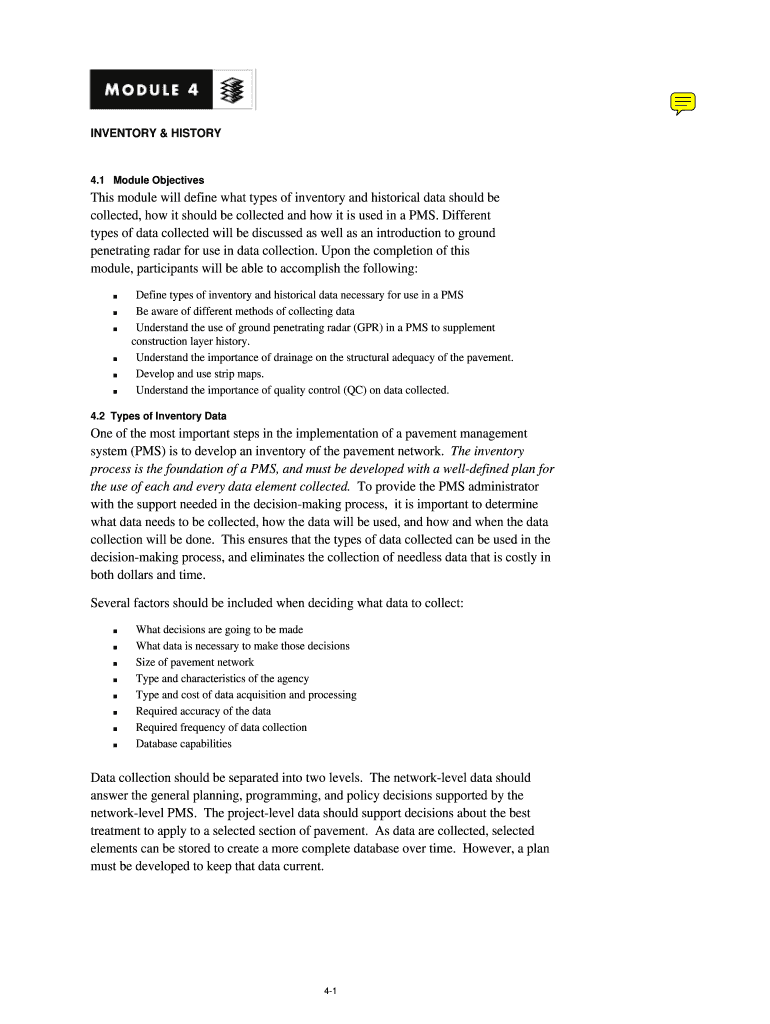
The concept of "Inventory and History" revolves around systematic management and record-keeping of resources within a particular domain. Inventory pertains to the cataloging of assets or items in possession, ensuring accuracy in tracking quantities, locations, and values. History, on the other hand, refers to the chronological documentation of events, actions, or transactions associated with the inventory. Together, inventory and history provide comprehensive insights into resource management, allowing for informed decision-making, tracking past changes, and predicting future requirements.
Steps to Complete Inventory and History
-
Gather Necessary Information:
- Ascertain the categories of items to be inventoried.
- Identify historical data points needed for comprehensive tracking.
-
Document Current Inventory Status:
- Conduct a physical or digital count of all items.
- Record details such as item description, quantity, and location.
-
Compile Historical Data:
- Collect records of past transactions, adjustments, or removals.
- Note significant events impacting inventory status, such as purchases, sales, or returns.
-
Organize Data:
- Use structured formats like spreadsheets or databases to arrange data logically.
- Ensure easy access and retrievability for future reference.
-
Review and Verify:
- Cross-check collected data for accuracy and consistency.
- Resolve discrepancies through audits and corrections.
-
Update Records Regularly:
- Establish a routine for ongoing inventory checks and historical updates.
- Implement systems for automatic updates where possible to minimize manual errors.
How to Use Inventory and History Effectively
-
Resource Allocation: Leverage accurate inventory data to allocate resources efficiently across various operations. This ensures optimal use of available items and prevents shortages or overstocks.
-
Trend Analysis: Historical data serves as a valuable resource for identifying trends and patterns. Use this to anticipate future needs and adjust procurement strategies accordingly.
-
Accountability and Control: Regular documentation and review of inventory history enhance accountability by establishing clear records of resource movements and usage.
-
Compliance and Audit: An organized inventory history aids in compliance with regulations and standards. It provides a reliable source of information during audits or investigations.
Key Elements of Inventory and History
-
Identification: Each item in the inventory requires unique identifiers for easy tracking and differentiation.
-
Quantity: Maintain accurate records of the number of items to ensure proper resource management.
-
Location: Track the physical or digital location of items to facilitate swift retrieval and movement tracking.
-
Value: Document the monetary or utility value of items for budgeting and financial reporting purposes.
-
Transaction History: Record all interactions involving items, including acquisitions, dispersal, and modifications over time.
Who Typically Uses Inventory and History
-
Business Entities: Companies, regardless of size, use inventory and history to manage stock, supplies, and resources critical for operations.
-
Nonprofit Organizations: These entities utilize inventories to track donations, resources, and distribute goods effectively while maintaining transparency.
-
Government Agencies: For managing public resources, equipment, and historical records aiding policy and decision-making processes.
-
Educational Institutions: Schools and universities implement inventories to manage supplies, textbooks, and technological apparatus used in educational settings.
Importance of Maintaining Inventory and History
-
Decision Making: Provides essential data that inform choices about purchasing, selling, and resource distribution strategies.
-
Financial Management: Directly impacts financial health by enabling efficient budget allocation and cost control measures.
-
Operational Efficiency: Streamlines operations, making sure resources are available when needed and reducing waste.
-
Risk Management: Mitigates risks associated with loss, theft, or damage of resources by keeping detailed historical accounts.
Examples of Using Inventory and History
-
Retail Industry: Stores maintain inventories of products to determine selling trends and replenish stock based on history-driven forecasts.
-
Healthcare Sector: Hospitals track medication inventories and usage history to prevent shortages and ensure patient care continuity.
-
Construction Companies: Contractors maintain records of materials and tool histories to manage project costs and timelines efficiently.
Legal Use and Compliance of Inventory and History
Inventory and history processes are subject to various legal and regulatory requirements, especially in sectors dealing with hazardous materials or pharmaceuticals. Compliance involves maintaining systematic records that demonstrate adherence to safety and operational standards. Falsification or negligence can result in legal consequences, emphasizing the need for meticulous documentation.
By integrating thorough and precise inventory and history systems, stakeholders can achieve operational excellence, financial robustness, and compliance integrity.