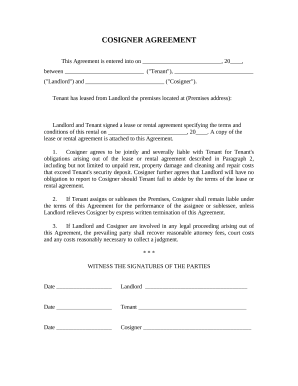
01. Edit your form online
Type text, add images, blackout confidential details, add comments, highlights and more.

Type text, add images, blackout confidential details, add comments, highlights and more.

Draw your signature, type it, upload its image, or use your mobile device as a signature pad.

Send it via email, link, or fax. You can also download it, export it or print it out.
A Deed of Trust is a legal document used primarily in real estate to establish an agreement between three parties: the Trustor (borrower), the Trustee (third-party fiduciary), and the Beneficiary (lender). In this arrangement, the Trustor grants the Trustee authority over property as security for a loan provided by the Beneficiary. For Fidelity National Title, this document supports the secure transaction of property in situations where the lender wants assurance that the property will be managed in their interest should the borrower default.
The primary difference between a Deed of Trust and a traditional mortgage lies in the involvement of the Trustee, who holds the title until the loan is repaid. This makes it easier to manage the property if the borrower fails to meet their loan obligations. In California, where this form is commonly used, real estate loans often opt for a Deed of Trust instead of a mortgage due to differences in foreclosure procedures.
To effectively utilize a Deed of Trust through Fidelity National Title, you should first ensure that all parties involved understand their roles. The Trustor should complete the document carefully, ensuring that all financial and personal information is accurately represented. The Beneficiary, typically a financial institution or private lender, must verify the Trustor's information and agree to the terms before forwarding the document to a Trustee.
The Trustee, usually a title company or attorney, holds the legal title to the property until the debtor fulfills the loan obligations. If the borrower defaults, the Trustee is responsible for initiating foreclosure proceedings to protect the lender's interests. It is essential for all signing parties to acknowledge their roles and to consult legal counsel to ensure compliance with local laws and regulations.
Acquiring a Deed of Trust through Fidelity National Title involves contacting the company directly. The document can be requested online, through their website, or by visiting one of their physical offices. It is crucial to provide all necessary details about the property and the involved parties to start the process. Fidelity National Title may require additional documentation such as proof of identity, financial statements, and details of the loan arrangement.
Furthermore, some digital services may offer the ability to fill out and submit the Deed of Trust electronically, expediting the process significantly. In cases where multiple states are involved, check for any state-specific requirements that might influence the form or its submission.
Gather Necessary Information: Collect all relevant information, including property details, loan specifics, and personal information for the Trustor, Beneficiary, and Trustee.
Accurate Completion: Fill out the Deed of Trust form with precision. Ensure that all fields are thoroughly checked, especially those relating to loan amounts and payment terms.
Legal Review: It is advisable to have a legal expert review the document to confirm that it meets all legal requirements and addresses the interests of all parties involved.
Notarization: Depending on state laws, notarization of the Deed of Trust might be required. This process involves having a notary public witness the signing to affirm its authenticity.
Submission: Submit the completed form to the appropriate office as instructed by Fidelity National Title. This may include electronic submission options for efficiency.
The Deed of Trust is a secure method to manage property transactions, particularly in states like California where this document is more common than traditional mortgages. Its legal standing simplifies foreclosure, as the Trustee can proceed with the process without undertaking judicial procedures, unlike with mortgages. Fidelity National Title ensures that its forms comply with U.S. laws, including specific property and tax regulations relevant to the geographic area.
Legal considerations include understanding the rights and responsibilities each party undertakes when signing the deed. It's critical to follow state-specific requirements to ensure the document's enforceability, as differing state laws can affect the form's applicability and process.
Different states may have unique rules concerning deeds of trust. In California, for instance, the process of non-judicial foreclosure is common. This allows Trustees to sell property without court intervention, provided specific statutory guidelines are followed, which can expedite the foreclosure process considerably compared to judicial foreclosures required in mortgage agreements.
Other states might have varying rules on how deeds need to be filed or recorded and specific requirements for notification and confirmation of the involved parties. Always check local statutes or consult with a legal professional to ensure all obligations and compliance issues are resolved satisfactorily.
At DocHub, your data security is our priority. We follow HIPAA, SOC2, GDPR, and other standards, so you can work on your documents with confidence.