




01. Edit your form online
Type text, add images, blackout confidential details, add comments, highlights and more.

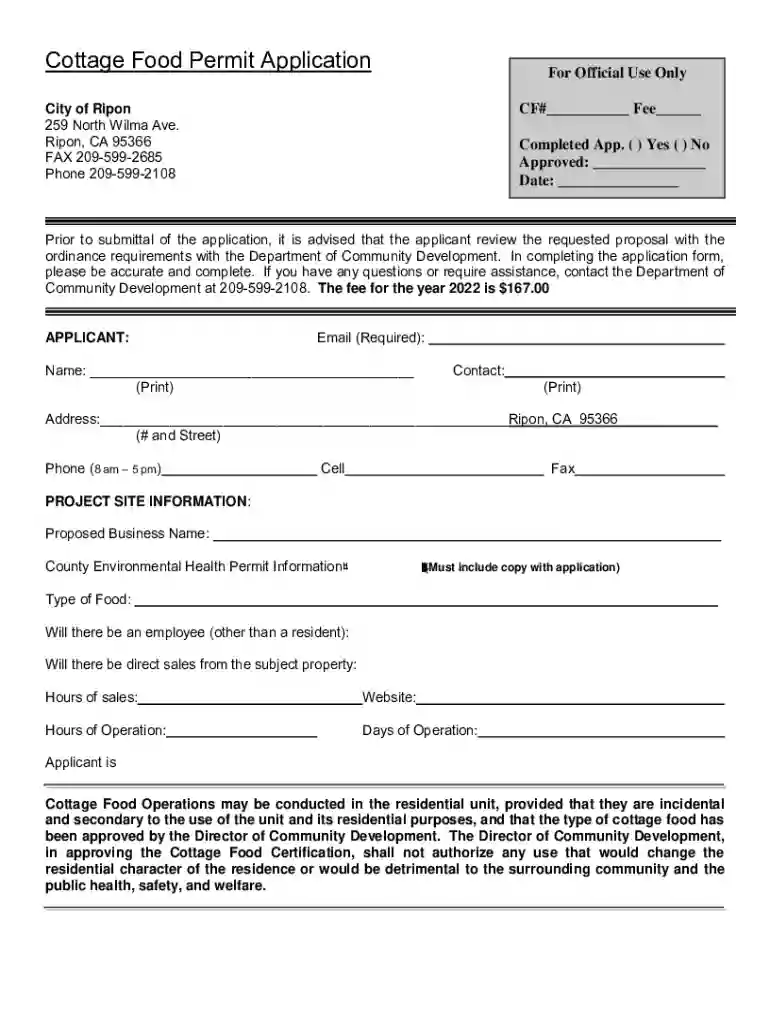
Type text, add images, blackout confidential details, add comments, highlights and more.

Draw your signature, type it, upload its image, or use your mobile device as a signature pad.

Send it via email, link, or fax. You can also download it, export it or print it out.
The "Cottage Food - Operation Permit" is a legal authorization that allows individuals to prepare and sell certain non-perishable food items from their home kitchens. This permit specifically caters to the niche of cottage food operations, which is a growing sector in the food industry where small-scale entrepreneurs create products like baked goods, jams, and confections in a residential setting. The permit ensures that these businesses comply with local and state regulations on food safety, sanitation, and labeling, which are vital to protect consumer health and maintain public trust.
Understanding the main components of the application packet is crucial for a successful submission. The packet typically includes:
Each element ensures due diligence in preserving consumer safety and operational transparency.
Navigating the application packet effectively is essential to ensure all relevant information is accurately captured:
Following these steps minimizes errors and speeds up the approval process.
Filling out the Cottage Food - Operation Permit application involves several sequential steps:
Completion of these steps ensures thoroughness and regulatory compliance.
Before applying, it's important to assess eligibility. Key criteria typically include:
Meeting these criteria is fundamental before committing to the application process.


The legal framework surrounding cottage food permits mandates adherence to several regulations:
Understanding these legal requirements ensures both compliance and the sustainability of the business venture.
Applicants must provide specific documents to accompany their applications:
Ensuring that each document is current and valid expedites the application review process.
Failure to comply with permit requirements or operational guidelines can have serious consequences, including:
Adhering closely to all regulations mitigates the risk of these penalties.
When ready to submit, applicants have several options:
Each method offers different benefits, tailored to the applicant's preference or situational need.
We've got more versions of the COTTAGE FOOD - OPERATION PERMIT Application packet form. Select the right COTTAGE FOOD - OPERATION PERMIT Application packet version from the list and start editing it straight away!
At DocHub, your data security is our priority. We follow HIPAA, SOC2, GDPR, and other standards, so you can work on your documents with confidence.
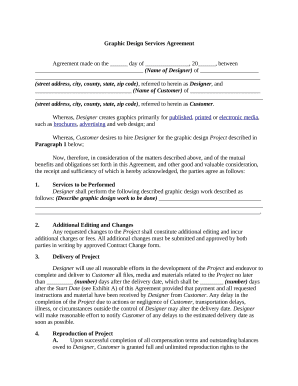
A Cottage Food Permit allows a resident of Washington state to make food. The application fee is $355 and is nonrefundable after it is received by our office
If you are a new cottage food registrant, you should select the APPLICATION portal. information at 651-556-3000. 1 Training (PDF)3.06 MB Cottage Food Fact


