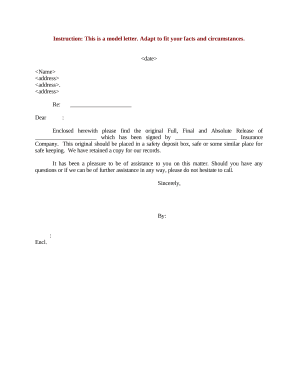
01. Edit your allonge online
Type text, add images, blackout confidential details, add comments, highlights and more.

Type text, add images, blackout confidential details, add comments, highlights and more.

Draw your signature, type it, upload its image, or use your mobile device as a signature pad.

Send alonge via email, link, or fax. You can also download it, export it or print it out.
An allonge is an official attachment to a financial instrument, such as a promissory note or mortgage agreement. It serves the purpose of recording endorsements or amendments when there is insufficient space on the original document. In a mortgage context, an allonge template includes fields for crucial information like the mortgagor's details, California property address, loan amounts, and unique identifiers, such as a CalHFA loan ID. The purpose of an allonge is to ensure that all changes, endorsements, or additional instructions related to the mortgage contract are documented and legally binding.
To use an allonge template effectively, follow these steps:
Review the Main Document: Understand the principal document to which the allonge will be attached. This ensures that you are fully aware of the terms and specific clauses the allonge will amend or extend.
Access the Template: Obtain the allonge template, which can usually be customized for specific needs. This is often done through legal document providers or mortgage institutions.
Fill Out Relevant Sections: Input necessary information such as mortgagor and mortgagee names, property address, and loan numbers. Ensure that each field is completed accurately to avoid future legal complications.
Attach Endorsements or Amendments: Clearly write any endorsements, conditions, or additional terms. Be concise to ensure clarity.
Sign and Date the Allonge: All parties involved, including any witnesses or notaries (if required), should sign and date the document.
By following these steps, you can ensure the legal standing of the allonge and its integration with the main agreement.
The allonge template comprises several critical components:
Each of these components plays a vital role in ensuring that the allonge template is comprehensive and meets legal requirements.
Prepare Necessary Information: Gather all required details, including principal loan information, personal and contact details of involved parties.
Select the Appropriate Template: Choose a pre-designed template that matches the specifics of your document, such as mortgage or promissory note templates.
Fill in the Information Precisely: Enter all the relevant details into the template fields, ensuring there are no errors in names, addresses, or loan figures.
Review for Completeness and Accuracy: Double-check each section for accuracy, ensuring all necessary fields are populated.
Add Signatures and Date: Ensure all parties provide their signatures along with the date to confirm the changes or endorsements noted in the document.
Attach to Original Document: Secure the completed allonge to the original document it amends to maintain its legal footing.
With these carefully executed steps, the allonge will effectively serve its purpose in the overarching agreement.
Understanding key terminology is pivotal when dealing with allonge templates:
Endorsement: A legal term referring to the signature or stamp on the document, indicating approval and acceptance of the content.
Mortgagor: The borrower in a mortgage agreement.
Mortgagee: The lender or entity that provides the funds to the borrower.
Promissory Note: A financial instrument that details the borrower's promise to repay a loan, often associated with an allonge in property or financial transactions.
Each of these terms is critical in ensuring the proper application and understanding of an allonge in a legal context.
The legal standing of an allonge is well-established, particularly within the U.S. mortgage and financial sectors:
Attachment to Original Instruments: An allonge is considered an integral part of the original financial instrument it modifies when there is insufficient space on the main page.
Compliance with State Laws: Certain states may have additional requirements for executing an allonge, impacting its form and necessary signatures.
Binding Legal Document: Used as legally binding evidence of changes or endorsements to an existing note or mortgage.
Understanding these legal underpinnings ensures that the allonge template is used correctly and effectively within relevant U.S. jurisdictions.
Every state might have its unique provisions concerning the valid execution of an allonge. For instance:
California Requirements: Often requires the particular documentation and verification procedures, including notary acknowledgment for certain high-value transactions.
Variation in Property Laws: Different states may have variations in property and endorsement laws that affect the allonge.
It is prudent to consult with a legal expert to understand the specific state requirements applicable to an allonge template.
Real-world applications of the allonge include:
Adjusting Interest Rates: When a mortgage lender and borrower agree to alter the interest rate, an allonge can formally document this change.
Transferring Ownership: An allonge can record changes in property or note ownership when it changes hands from one party to another.
Amending Loan Terms: Should terms such as repayment schedules be updated, an allonge serves as the document of record for these adjustments.
These examples demonstrate the utility of an allonge as an adaptable and legally substantial document for financial and property agreements.
We've got more versions of the allonge form. Select the right allonge version from the list and start editing it straight away!
At DocHub, your data security is our priority. We follow HIPAA, SOC2, GDPR, and other standards, so you can work on your documents with confidence.