



01. Edit your form online
Type text, add images, blackout confidential details, add comments, highlights and more.

Type text, add images, blackout confidential details, add comments, highlights and more.
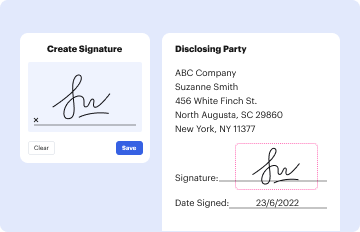
Draw your signature, type it, upload its image, or use your mobile device as a signature pad.
Send it via email, link, or fax. You can also download it, export it or print it out.
A Quick Reference Card for Providers Amerigroup serves as a concise guide, specifically crafted to assist healthcare providers with essential information concerning Amerigroup services, processes, and protocols. This card is typically used to quickly access important details regarding patient eligibility, coverage policies, and claim submission requirements. It acts as a small, portable resource that condenses complex information into a simplified format, allowing providers to efficiently navigate and interact with Amerigroup systems. The card's primary function is to streamline the interaction between healthcare providers and the insurance company, ensuring prompt and accurate service delivery.
The Quick Reference Card is designed for ease of use. Healthcare providers can refer to it during patient interactions to verify insurance coverage details and determine appropriate billing codes for services rendered. To use the card effectively:
This centralized source of information enhances accuracy in billing and ensures compliance with Amerigroup's procedural requirements, reducing claim rejections and increasing provider satisfaction.
While the Quick Reference Card is primarily an informational tool, understanding how to complete the necessary processes it outlines is crucial:
These steps ensure that providers are using the card's information accurately, preventing potential errors in the administrative process and improving overall efficiency.
The Quick Reference Card comprises several essential components designed to assist healthcare providers effectively:
These elements form the backbone of the card, offering quick access to crucial information without the need for extensive documentation or prolonged searches.
The card is primarily utilized by healthcare providers, including doctors, billing specialists, and administrative staff within medical practices. It is a vital tool for:
These professionals rely on the card for streamlined operations and to enhance patient service delivery by ensuring their treatments and claims align with Amerigroup's standards.


Several terms are integral to understanding and using the Quick Reference Card effectively:
These terms are often featured on the Quick Reference Card to aid healthcare providers in accurately interacting with Amerigroup’s systems.
The Quick Reference Card is utilized within legal guidelines to ensure compliance with healthcare regulations and Amerigroup’s policies. It is critical for:
This legal context ensures that healthcare providers use the card responsibly and within the framework of established legal requirements to maintain ethical standards.
Consider a typical scenario where a healthcare provider uses the Quick Reference Card:
These examples illustrate the card’s practical applications in day-to-day healthcare operations, emphasizing its role in enhancing efficiency and accuracy.
We've got more versions of the Quick Reference Card - Providers Amerigroup form. Select the right Quick Reference Card - Providers Amerigroup version from the list and start editing it straight away!
At DocHub, your data security is our priority. We follow HIPAA, SOC2, GDPR, and other standards, so you can work on your documents with confidence.
A properly completed and physician-signed CMN must accompany each claim for a service that requires precertification. n Amerigroup and providers must agree on.Read more
Office Phone: 319-352-8596 Hours: Monday-Friday, 8 a.m.-4. In most cases your card will either say Amerigroup or Iowa Total Care. if your card says


