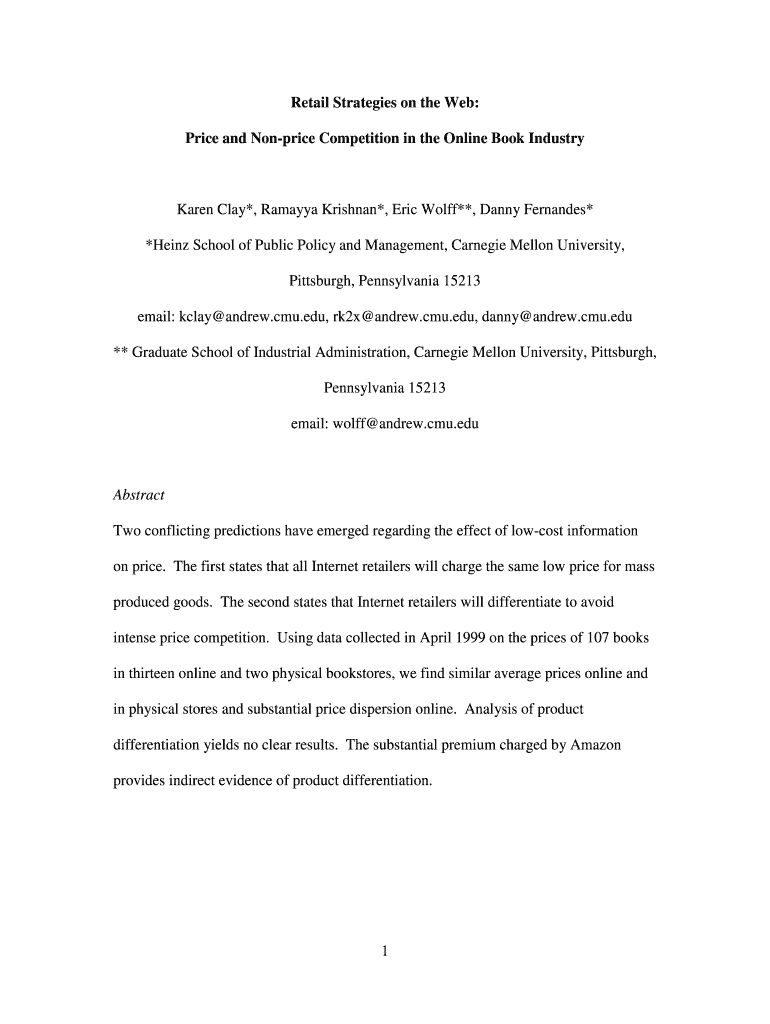







Definition and Purpose of Retail Strategies on the Web
Retail strategies on the web involve a range of techniques and approaches that businesses use to sell products and services online. These strategies are crucial for adapting traditional retail practices to the internet, where consumer behavior and competition differ significantly from physical retail environments. An effective online retail strategy typically includes elements like pricing models, customer engagement methods, website usability, and digital marketing tactics.
Key Elements of Online Retail Strategies
- Pricing Models: Online retailers can employ competitive pricing, dynamic pricing, or subscription models. Each approach aims to maximize revenue while appealing to consumer preferences.
- Customer Engagement: This involves using social media, email newsletters, and personalized recommendations to build relationships with customers.
- Website Usability: The design and functionality of an e-commerce site must provide a seamless and intuitive shopping experience to convert visitors into customers.
- Digital Marketing: Utilizes search engine optimization (SEO), pay-per-click (PPC) advertising, and affiliate marketing to reach potential shoppers effectively.
How to Use Retail Strategies on the Web
Adopting retail strategies on the web involves a series of practical steps starting with market research and culminating in performance analysis. Retailers must first understand their target market and competitors to devise an effective approach.
Steps for Developing a Web Retail Strategy
- Conduct Market Research: Identify target demographics and study competitors to understand the landscape.
- Define Unique Selling Propositions (USPs): Establish what differentiates your online offerings from others.
- Select Appropriate Platforms: Choose between third-party marketplaces or building an independent eCommerce site.
- Develop a Marketing Plan: Create campaigns using social media, email marketing, and SEO to drive traffic.
- Analyze and Optimize: Use analytics tools to monitor performance and make data-driven decisions for continuous improvement.
Important Terms Related to Retail Strategies on the Web
Familiarity with key terminology is essential for understanding and implementing online retail strategies effectively.
Glossary of Essential Terms
- Omnichannel: A seamless shopping experience across all channels, whether online or physical.
- Conversion Rate: The percentage of website visitors who make a purchase.
- Bounce Rate: The percentage of visitors who leave your site after viewing only one page.
- Cart Abandonment: When a visitor adds items to a shopping cart but leaves without completing the purchase.
- Fulfillment: The process of receiving, packaging, and shipping orders to customers.
Who Typically Uses Retail Strategies on the Web
Different types of businesses across various sectors utilize web-based retail strategies to grow their markets and enhance profitability.
Business Types and Users
- E-commerce Companies: Businesses that operate exclusively online to sell goods and services.
- Brick-and-Mortar Stores: Physical retail locations expanding their operations into online sales.
- Subscription Services: Businesses offering recurring delivery of products or services through online platforms.
- Manufacturers and Wholesalers: Companies selling directly to consumers or business partners to bypass traditional retail channels.
Steps to Completing the Deployment of Retail Strategies
Successfully implementing retail strategies involves several stages, each requiring thorough preparation and execution.
Detailed Process Steps
- Planning: Develop a strategic plan outlining goals, target audience, budget, and timeline.
- Technology Set-Up: Choose and implement an e-commerce platform or integrate new features into an existing website.
- Content and Product Management: Create detailed product descriptions, visuals, and content to enhance the user experience.
- Launch and Market: Initiate promotional efforts and reach out to potential customers via planned marketing activities.
- Monitor Performance: Regularly review analytics to understand performance metrics and consumer behaviors, adjusting strategies as needed.
Examples of Using Retail Strategies on the Web
Case studies and practical examples provide insight into the application and effectiveness of different retail strategies.
Real-World Scenarios
- A Clothing Brand: Through personalized recommendations and targeted social media ads, a fashion retailer increases its market share in the competitive apparel industry.
- Subscription Service: A monthly subscription box service uses influencer marketing and unboxing videos to reach a wider audience.
- Artisan Food Producer: By joining an online marketplace and using direct email marketing, a gourmet food company expands its reach beyond local markets.
Legal Considerations for Online Retail
Retailers must comply with various legal and regulatory requirements to operate an online business legally in the U.S.
Key Legal Components
- Data Protection: Adherence to laws regarding customer data privacy, such as the California Consumer Privacy Act (CCPA).
- Tax Compliance: Understanding sales tax obligations, which may vary by state and require online retailers to remit taxes accordingly.
- Consumer Rights: Providing clear return policies and meeting obligations under consumer protection laws.
- Advertising Standards: Ensuring that all marketing communications are truthful and non-deceptive.
Business Types That Benefit Most
While many business types can benefit from retail strategies on the web, some industries see particularly significant advantages.
Benefiting Business Types
- Electronics: Consumers favor the convenience and variety of purchasing electronics online.
- Health and Wellness: The flexibility of subscription models allows consistent customer engagement and retention.
- Fashion and Apparel: Online channels provide vast opportunities for niche brands to reach targeted audiences.
- Home Decor and Furniture: The ability to showcase products in digital showrooms increases sales opportunities while reducing overhead costs of physical stores.