







Definition & Meaning
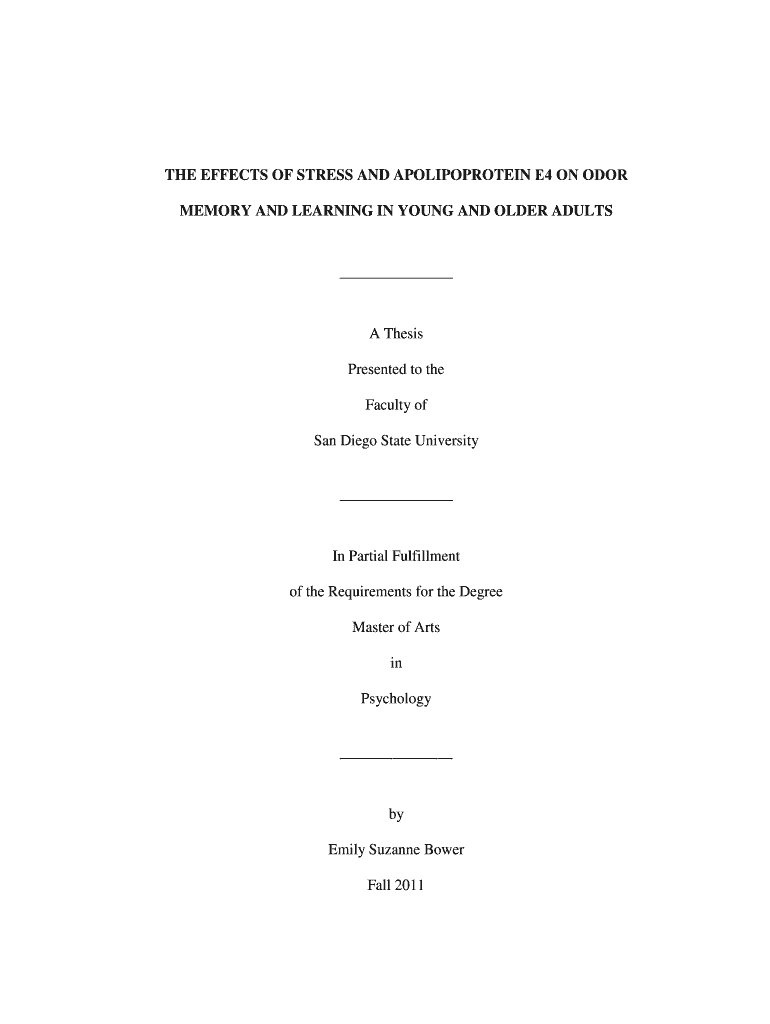
"The Effects of Stress and Apolipoprotein 4 on Odor Memory and Learning in Young and Older Adults" examines the influence of stress and genetic factors, specifically the apolipoprotein ε4 (apoE ε4) allele, on cognitive functions related to odor memory and learning. This form is an essential tool for researchers studying the intersection of genetic predispositions, environmental influences, and aging-related cognitive decline. It highlights the impact of stress and the apoE ε4 allele in enhancing or impairing olfactory memory, a subject critical in understanding Alzheimer's Disease (AD) progression.
Understanding The Research Components
Genetic and Environmental Influences
- Apolipoprotein ε4 (apoE ε4): A genetic variation known to increase the risk of Alzheimer's Disease, apoE ε4 affects cognitive functions, including memory.
- Stress: Examines how subjective stress levels affect memory recall, noting that stress can have both positive and negative implications on cognitive performance.
Focus on Odor Memory
- Olfactory Function: Investigates the connection between smell and memory, particularly how genetic and environmental factors influence the ability to remember odors.
- Significance in AD: Odor memory decline is an early indicator of Alzheimer's Disease, thus understanding its mechanics is critical for early intervention.
Steps to Utilize the Form
- Identify the Study Purpose: Understand whether you aim to analyze stress, genetic factors, or a combination of both on odor memory.
- Gather the Required Data: Collect information on participant demographics, stress levels, and genetic profiles.
- Select a Suitable Methodology: Choose methods for assessing odor memory, such as olfactory tests or memory recall exercises.
- Input and Analyze Data: Use statistical tools to determine the impact of stress and apoE ε4 on odor memory across different age groups.
- Interpret Results: Assess whether the presence of the apoE ε4 allele correlates with a noticeable decline in odor memory as stress increases.
Key Elements of the Form
- Participant Demographics: Age, genetic background, stress history, and health status.
- Genetic Testing Data: Presence or absence of the apoE ε4 allele.
- Olfactory Testing Protocols: Types of odor memory tests administered and results.
- Data Analysis Strategies: Statistical methods used to evaluate differences between groups.
Important Terms and Concepts
- Cognitive Decline: A reduction in cognitive abilities, including memory and learning, often linked with aging or diseases like Alzheimer's.
- Olfactic Memory: The ability to recall odors and associate them with past experiences.
- Stress Impact on Memory: How different stress levels affect cognitive capabilities, including immediate and delayed recall.
Who Typically Uses This Form
- Researchers in cognitive neuroscience and psychology studying aging and Alzheimer's Disease.
- Medical Professionals focusing on early diagnosis of cognitive impairments related to olfactory functions.
- Neurogeneticists investigating the influence of genetic variations on cognitive processes.
Legal Use of The Research
Research on the effects of stress and apoE ε4 on odor memory must comply with ethical standards and guidelines for human subjects. Institutional Review Boards (IRB) oversee these studies to ensure participant rights are protected. Consent forms and data privacy agreements are integral to avoid legal pitfalls and ensure the responsible use of sensitive genetic information.
Examples of Research Applications
- Alzheimer's Disease Prevention: Insights from the study can help in shaping preventive measures and treatment plans for Alzheimer's.
- Mental Health Interventions: Developing stress management techniques aimed at reducing cognitive decline.
- Educational Programs: Informing risk groups about lifestyle choices that can mitigate the impact of genetic predispositions on cognitive functions.




