




01. Edit your form online
Type text, add images, blackout confidential details, add comments, highlights and more.

Type text, add images, blackout confidential details, add comments, highlights and more.

Draw your signature, type it, upload its image, or use your mobile device as a signature pad.

Send it via email, link, or fax. You can also download it, export it or print it out.
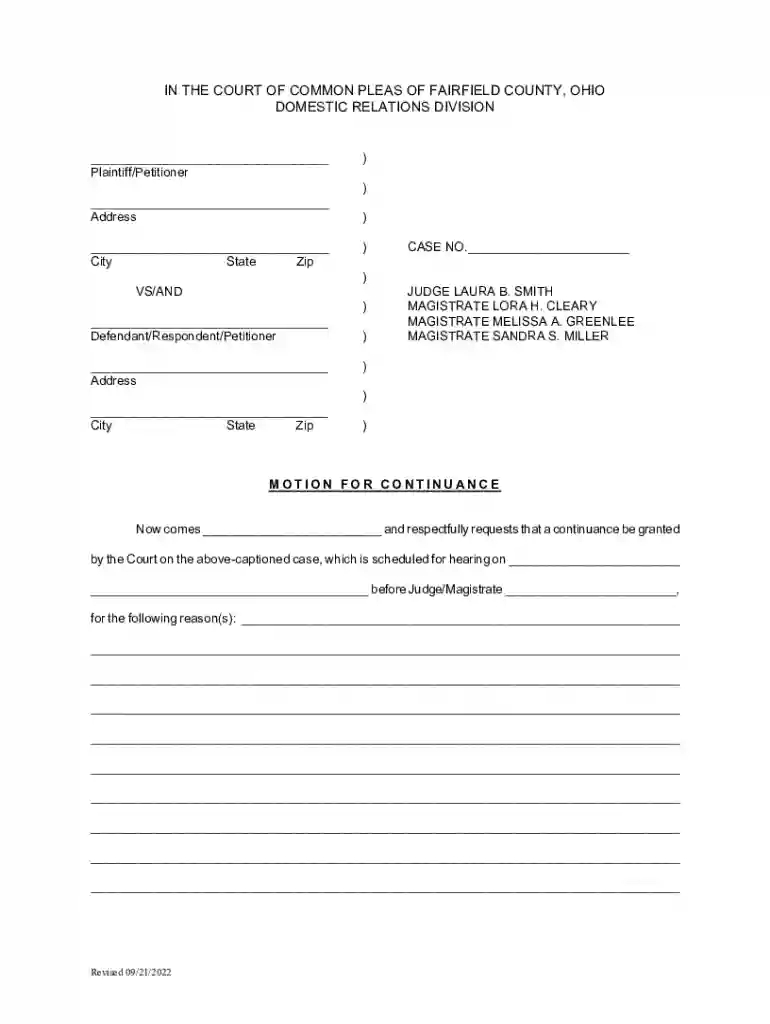
A "Motion for Continuance" is a formal request submitted to a court asking to postpone a scheduled hearing or trial. This motion allows a party involved in a legal proceeding to request additional time to prepare or respond to developments in the case. Often used in both criminal and civil cases, this motion is a critical element in ensuring fair trial rights and adequate preparation time for all parties. For example, if new evidence comes to light or a key witness is unavailable, a motion for continuance may be filed to give the parties involved enough time to address these changes.
Filing a Motion for Continuance involves several systematic steps to ensure that all legal formalities are adhered to:
Draft the Motion: Begin by crafting a clear and concise motion outlining the reasons for requesting a continuance. Include specific details and justifications, such as unavailable witnesses or the need for additional evidence gathering.
Contact Other Parties: Communicate with other involved parties or their legal representatives to discuss the motion and seek their agreement or understanding, if possible.
File the Motion: Submit the motion with the appropriate court clerk, along with any required filing fees. Ensure that all relevant details are included.
Receive Court Decision: Await the court’s decision on whether the motion has been granted or denied. This decision will impact the next steps and case schedule.
Prepare for New Hearing Date: If granted, use the additional time to prepare thoroughly for the rescheduled court date.
The Motion for Continuance must include several crucial components to be considered valid and comprehensive:
Different states in the United States have varied rules and requirements concerning motions for continuance. Familiarity with specific state guidelines is critical:
Understanding these state-specific nuances ensures proper filing and reduces the risk of rejection.
Legally, the Motion for Continuance serves several purposes in the judicial process:
For instance, in criminal cases, continuances may be necessary to procure mandatory evidence or witness testimony crucial to the defense or prosecution.
Consider these practical scenarios where a motion for continuance might be used:
These examples underscore the importance of strategic timing and justifications for continuances to accommodate the complexities of real-life situations.
Submitting a Motion for Continuance can be done in several ways depending on the court’s procedures:
Verifying the preferred or mandatory submission method with the specific court handling the case ensures compliance and timeliness.
Failure to properly file or comply with a court's stipulations regarding a Motion for Continuance can result in:
Adhering to guidelines and ensuring all procedural requirements are met is essential to avoid these negative consequences.
A variety of parties in legal proceedings may utilize a Motion for Continuance, including:
The broad applicability of this motion makes it a staple in legal practice for various scenarios demanding flexibility and time.


We've got more versions of the Motion for Continuance form. Select the right Motion for Continuance version from the list and start editing it straight away!
At DocHub, your data security is our priority. We follow HIPAA, SOC2, GDPR, and other standards, so you can work on your documents with confidence.


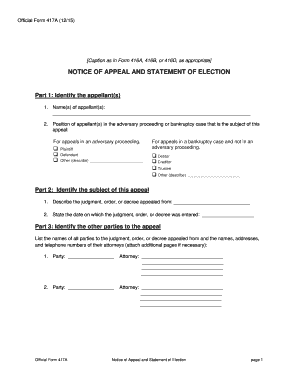

Continuance is what a court may grant to delay proceedings until a later date. Parties in a suit or the judge themselves may wish to have a continuance granted
Aug 1, 2026 Use this form to request continuing/ postponing your court proceeding, including an explanation of the circumstances and any supportingRead more
Apr 3, 2023 Offering features such as motion-sense technology, dedicated tools and expert cleaning features, the products are designed to both rescue and


