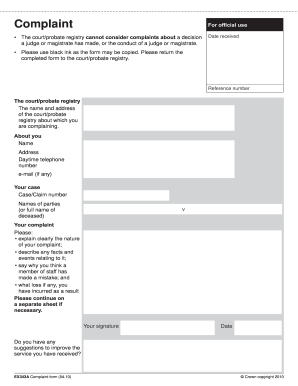
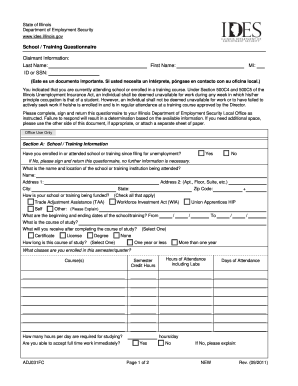
01. Edit your form online
Type text, add images, blackout confidential details, add comments, highlights and more.

Type text, add images, blackout confidential details, add comments, highlights and more.

Draw your signature, type it, upload its image, or use your mobile device as a signature pad.

Send it via email, link, or fax. You can also download it, export it or print it out.
The SCR 14D Form 14D, Terms of Settlement, is used in the Ontario Superior Court of Justice, specifically for Small Claims Court. This form outlines the conditions under which parties agree to settle their disputes without proceeding to trial. It includes components such as the agreed payment amount, terms for withdrawal of claims, and the consequences of non-compliance. This agreement ensures that both parties are tied to the terms outlined, providing mutual releases upon compliance.
The SCR 14D is crucial for finalizing a settlement between disputing parties in Ontario. When using this form, both parties must clearly outline the settlement terms, ensuring they cover aspects like payment schedules and any conditions leading to withdrawal of the claims. After the terms are defined, signatures from both parties and typically their legal representatives are required to authenticate and validate the agreement.
To acquire the SCR 14D form, individuals typically need to visit the ontariocourtforms.on.ca website where it can be downloaded. Alternatively, the form may be available at local court offices. It's recommended to ensure you are accessing the most recent version of the form for accuracy and compliance.
The form comprises several key elements crucial for a successful settlement arrangement in court:
The SCR 14D is most commonly used by individuals or businesses involved in small claims disputes. Legal professionals often assist in the completion of this form to ensure that it meets all legal requirements and adequately protects the interests of their clients.


In Ontario, the SCR 14D is a legally binding agreement. It is used to document the terms agreed upon by both parties in a dispute, aiming to settle the matter before a court hearing. Once signed, it can be filed with the court to provide an official record of the agreement.
Consider a dispute between a contractor and a client over payment for services rendered. By utilizing the SCR 14D, they can agree on a final payment amount and deadline, while releasing each other from additional claims. This prevents the need for a potentially lengthy and costly court trial.
This form is a powerful tool for dispute resolution within the Small Claims Court system in Ontario, enabling efficient and fair settlements.
We've got more versions of the SCR 14D Form 14D, Terms of Settlement - ontariocourtforms on form. Select the right SCR 14D Form 14D, Terms of Settlement - ontariocourtforms on version from the list and start editing it straight away!
| Versions | Form popularity | Fillable & printable |
|---|---|---|
| 2014 | 4.5 Satisfied (30 Votes) |
At DocHub, your data security is our priority. We follow HIPAA, SOC2, GDPR, and other standards, so you can work on your documents with confidence.