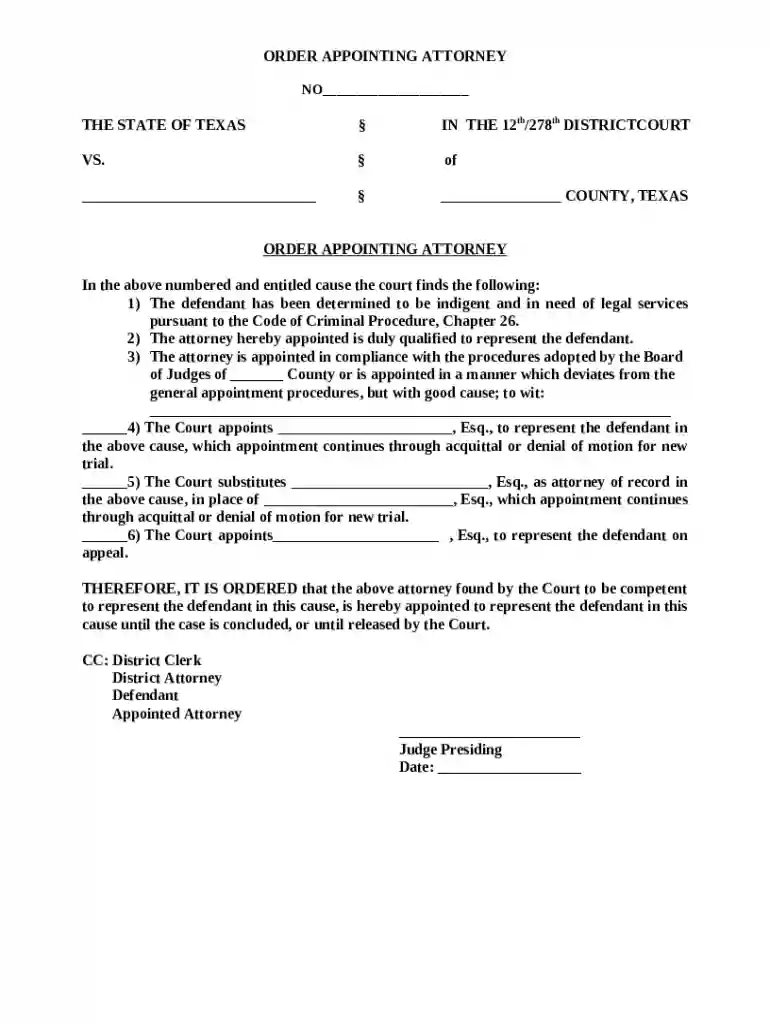
209th Criminal Court - Harris County District Courts 2026

Get Form
209th Criminal Court - Harris County District Courts Preview on Page 1

Here's how it works

01. Edit your form online
Type text, add images, blackout confidential details, add comments, highlights and more.

02. Sign it in a few clicks
Draw your signature, type it, upload its image, or use your mobile device as a signature pad.

03. Share your form with others
Send it via email, link, or fax. You can also download it, export it or print it out.

Definition and Meaning

The 209th Criminal Court in Harris County District Courts is a specialized judicial body focused on criminal cases. This court adjudicates cases ranging from misdemeanors to felonies, ensuring that justice is served while upholding the legal rights of defendants. It operates under the jurisdiction of Harris County, Texas, and is responsible for overseeing various legal processes, including arraignments, hearings, and trials.

Jurisdiction and Responsibilities

  • Case Types: Handles a variety of criminal cases including theft, assault, and more serious charges such as murder.
  • Court Processes: Manages pre-trial motions, evidentiary hearings, sentencing, and appeals.
  • Location: Situated in Harris County, the court serves the local population and those involved in legal proceedings within its district.

How to Use the 209th Criminal Court - Harris County District Courts

Navigating interactions with the 209th Criminal Court involves understanding its procedures and requirements. Individuals may engage with the court through different roles such as defendants, attorneys, or jurors.

Engaging with the Court

  • Defendants: Must appear for scheduled court dates and engage with their legal representation to prepare their defense.
  • Attorneys: Should be familiar with court schedules and filing requirements to effectively advocate for their clients.
  • Jurors: Are selected to serve on trials as part of civic duties, requiring them to listen to evidence and render verdicts impartially.

Steps to Complete Processes at the 209th Criminal Court

Completing processes at the 209th Criminal Court requires adherence to specific steps, ensuring compliance with legal standards.

General Process Steps

  1. Filing Charges: Initiated by law enforcement or prosecutors.
  2. Arraignment: Defendants are formally charged and can enter a plea.
  3. Pre-Trial Hearings: Address motions and set trial dates.
  4. Trial: Presentation of evidence in front of a judge or jury.
  5. Sentencing: If found guilty, the court imposes a fitting sentence.
  6. Appeals: Defendants may appeal unfavorable decisions through a higher court.

Important Terms Related to the 209th Criminal Court

Understanding the terminology used in the 209th Criminal Court is crucial for engaging accurately within legal proceedings.

Key Legal Terms

  • Arraignment: The initial phase where charges are presented.
  • Affidavit: A written statement presented in court.
  • Bail: A payment that allows temporary release from custody.
  • Subpoena: A legal document ordering someone to attend court.

Key Elements of the 209th Criminal Court Documentation

The documentation handled by the 209th Criminal Court encompasses various legal materials that aid in criminal proceedings.

Common Document Types

  • Indictment: A formal charge issued by a grand jury.
  • Legal Motions: Requests submitted by defense or prosecution for the court to decide on specific issues.
  • Verdicts: Outcomes determined by the jury or judge after trial proceedings.

State-Specific Rules for the 209th Criminal Court

Texas-specific rules impact how cases are managed within the 209th Criminal Court, influenced by state laws and regulations.

Texas Legal Framework

  • Penal Code: Governs the definition and punishment of criminal offenses.
  • Code of Criminal Procedure: Outlines the procedural aspects of handling criminal cases.
  • Sentencing Guidelines: Provide structure for determining punishments based on the seriousness of the crime.

Examples of Using the 209th Criminal Court

Real-world scenarios where individuals interact with the 209th Criminal Court offer insight into its operational dynamics.

Case Studies

  • Theft Charge: An individual facing felony theft may participate in multiple hearings before the trial stage.
  • DUI Cases: Individuals charged with DUI may go through arraignment and potential plea deals to reduce sentences.

Filing Deadlines and Important Dates

Compliance with deadlines and awareness of important dates is critical to engaging successfully with the 209th Criminal Court.

Timeframes and Schedules

  • Arraignment Dates: Typically set shortly after arrest or charges.
  • Trial Dates: Scheduled post-pre-trial hearings based on the court's calendar.
  • Appeal Deadlines: Must be filed within a specific timeframe post-judgment.

Penalties for Non-Compliance

Failure to adhere to the legal requirements and responsibilities within the 209th Criminal Court can result in severe penalties.

Consequences of Non-Compliance

  • Failure to Appear: Can lead to arrest warrants and additional charges.
  • Missing Filing Deadlines: May result in dismissal or unfavorable outcomes.
  • Breach of Court Orders: Could escalate to contempt charges or harsher sentences.

Form Submission Methods (Online, Mail, In-Person)

Submitting forms to the 209th Criminal Court requires choosing the appropriate method to align with court norms and procedures.

Submission Options

  • Online: Certain documents may be submitted electronically, providing efficient processing.
  • Mail: Traditional method requiring tracking and confirmation of delivery.
  • In-Person: Direct submission at court offices for urgent or sensitive filings.

Who Issues the Form

Forms pertinent to the 209th Criminal Court are issued by various legal authorities within the judicial system.

Form Issuance Authorities

  • Clerks of the Court: Facilitate administrative paperwork and filings.
  • District Attorneys: Provide forms related to prosecutorial proceedings.
  • Defense Attorneys: May issue legal documents on behalf of their clients.

These blocks provide a comprehensive overview of interacting with the 209th Criminal Court, tailored to those engaged in or affected by its proceedings. Whether you're a legal professional, a defendant, or a concerned citizen, understanding these elements is crucial for effective navigation of the court system.

be ready to get more

Complete this form in 5 minutes or less

Get form

Got questions?

We have answers to the most popular questions from our customers. If you can't find an answer to your question, please contact us.
Contact us
Complexity of Cases: The General District Court usually deals with straightforward cases, while the Circuit Court handles more complex and serious legal matters.
Typically, the district court handles criminal cases and felonies, while the county court handles everything else (like misdemeanors, traffic offenses, etc.). However, the size of a county makes a difference. In small counties, both courts hear a wide variety of different matters.
Cases from the Texas Supreme Court, Court of Criminal Appeals, and courts of appeals are searchable through the Texas Appeals Management and eFiling System (TAMES) Case Search. Files that are available online can be viewed for free. To access records that are not online, contact the specific court.

Security and compliance

At DocHub, your data security is our priority. We follow HIPAA, SOC2, GDPR, and other standards, so you can work on your documents with confidence.

Learn more
ccpa2
pci-dss
gdpr-compliance
hipaa
soc-compliance
be ready to get more

Complete this form in 5 minutes or less

Get form