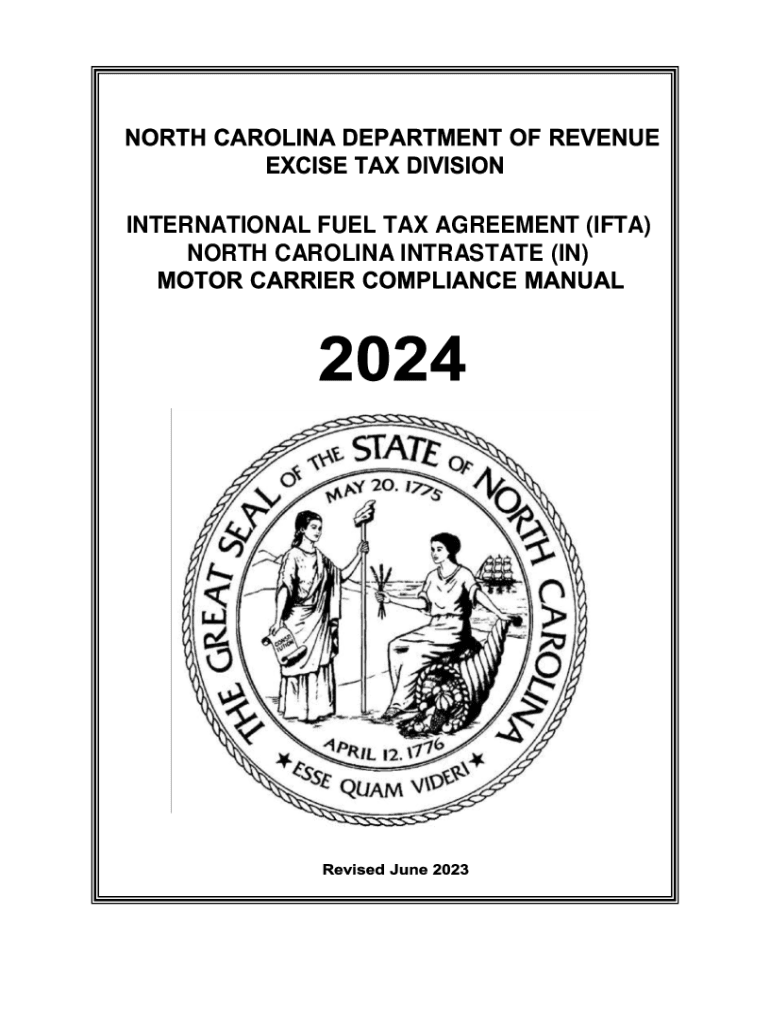







Definition and Purpose of the North Carolina Department of Revenue Motor
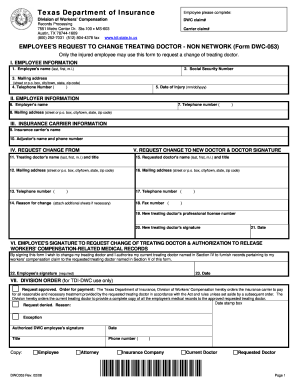
The North Carolina Department of Revenue Motor form is a crucial document used within the state to regulate motor carrier taxation and compliance. It serves multiple purposes including licensing, reporting, and auditing procedures for motor carriers operating in North Carolina under the International Fuel Tax Agreement (IFTA). This form ensures that motor carriers adhere to state and federal regulations, while also facilitating the collection of necessary tax revenues to fund state transportation infrastructure.
How to Obtain the North Carolina Department of Revenue Motor Form
To obtain the North Carolina Department of Revenue Motor form, carriers can visit the official North Carolina Department of Revenue website or contact their office directly. Forms can typically be downloaded in a PDF format for manual completion or filled out online. For those preferring a physical copy, requests can be made through mail or by visiting a local department office. Online access often provides the fastest and most convenient method of obtaining and processing the form.
Steps to Complete the North Carolina Department of Revenue Motor Form
Completing the North Carolina Department of Revenue Motor form requires careful attention to detail. Here are the steps typically involved:
- Gather Required Information: This includes your business details, vehicle information, and previous financial records if applicable.
- Fill Out Section A: Applicant Information: Provide your name, business identification number, and contact details.
- Complete Section B: Vehicle Information: Include the make, model, year, and vehicle identification number (VIN) of each motor carrier.
- Detail Section C: Mileage and Fuel Use: Record mileage traveled within and outside North Carolina, along with fuel usage.
- Review for Accuracy: Double-check all entries for typographical errors or miscalculations.
- Submit the Form: Follow submission instructions carefully, ensuring all additional documentation is attached as required.
Legal Implications of the North Carolina Department of Revenue Motor Form
Submitting the North Carolina Department of Revenue Motor form holds legal implications as it relates to tax compliance and business licensure. Failure to accurately complete or submit the form can result in penalties such as fines, suspension of operating licenses, or legal action. Properly completing the form ensures that motor carriers are aligned with state tax laws and regulations regarding transportation.
Important Terms Related to North Carolina Department of Revenue Motor
- IFTA (International Fuel Tax Agreement): A cooperative agreement among jurisdictions to simplify the reporting of fuel use by motor carriers operating in multiple jurisdictions.
- VIN (Vehicle Identification Number): A unique code used to identify individual motor vehicles for regulatory and compliance purposes.
- Mileage Records: Documentation of distances traveled by motor carriers, crucial for accurate tax reporting.
Penalties for Non-Compliance with the Form
Non-compliance with the North Carolina Department of Revenue Motor form can incur significant penalties:
- Financial Penalties: These may include fines and interest on unpaid taxes.
- License Suspension: Operating without a valid license due to non-compliance can lead to suspension or revocation.
- Legal Proceedings: Continued violations might result in legal action from state authorities.
Filing Deadlines and Important Dates
To avoid penalties, it's vital to be aware of important filing deadlines related to the North Carolina Department of Revenue Motor form:
- Quarterly Reporting: Reports are typically due at the end of each fiscal quarter.
- Annual Renewal: Ensuring annual licenses and documentation are up-to-date by the end of the year.
- Grace Periods: Be aware of any grace periods for late submissions and associated penalties.
Eligibility Criteria for Using the North Carolina Department of Revenue Motor
To be eligible to use the North Carolina Department of Revenue Motor form, a business must:
- Operate Vehicles: Engage in the use of commercial vehicles crossing state lines or exceeding a certain weight.
- Be Registered in North Carolina: Have an operational base within the state.
- Comply with State Tax Regulations: Adhere to all tax laws and regulations as set out by the North Carolina Department of Revenue.
These comprehensive sections provide a thorough guide to understanding and effectively utilizing the North Carolina Department of Revenue Motor form, while ensuring compliance with relevant state regulations.